
Smart refrigerators pack cameras, touchscreens, Wi-Fi and voice assistants into a device we used to think of as simple and silent. That convenience opens doors for many households while creating real conflicts for people whose faith traditions limit interaction with electronics or data-sharing at certain times. This article explores how those features collide with religious practices, what specific worries arise, and practical steps shoppers can take to keep faith and food storage on good terms.
Modern fridges are more like mini-computers than cold boxes, and that shift matters. Built-in cameras can log what’s inside, touchscreens track touch patterns and recipes, and cloud services collect usage details. For tech fans this is nifty; for people observing Sabbath rules or other prohibitions on certain forms of work and creative acts, it can be disruptive.
Religious concerns fall into a few clear categories. First, there’s the timing issue: automatic updates, scheduled defrost cycles, or motion-activated lights can trigger during periods when followers avoid initiating electronic processes. Second, there’s data: cameras and smart apps may record activity or transmit signals, raising questions about surveillance and consent. Third, there’s the principle: some traditions discourage relying on systems that perform tasks on a person’s behalf during sacred times.
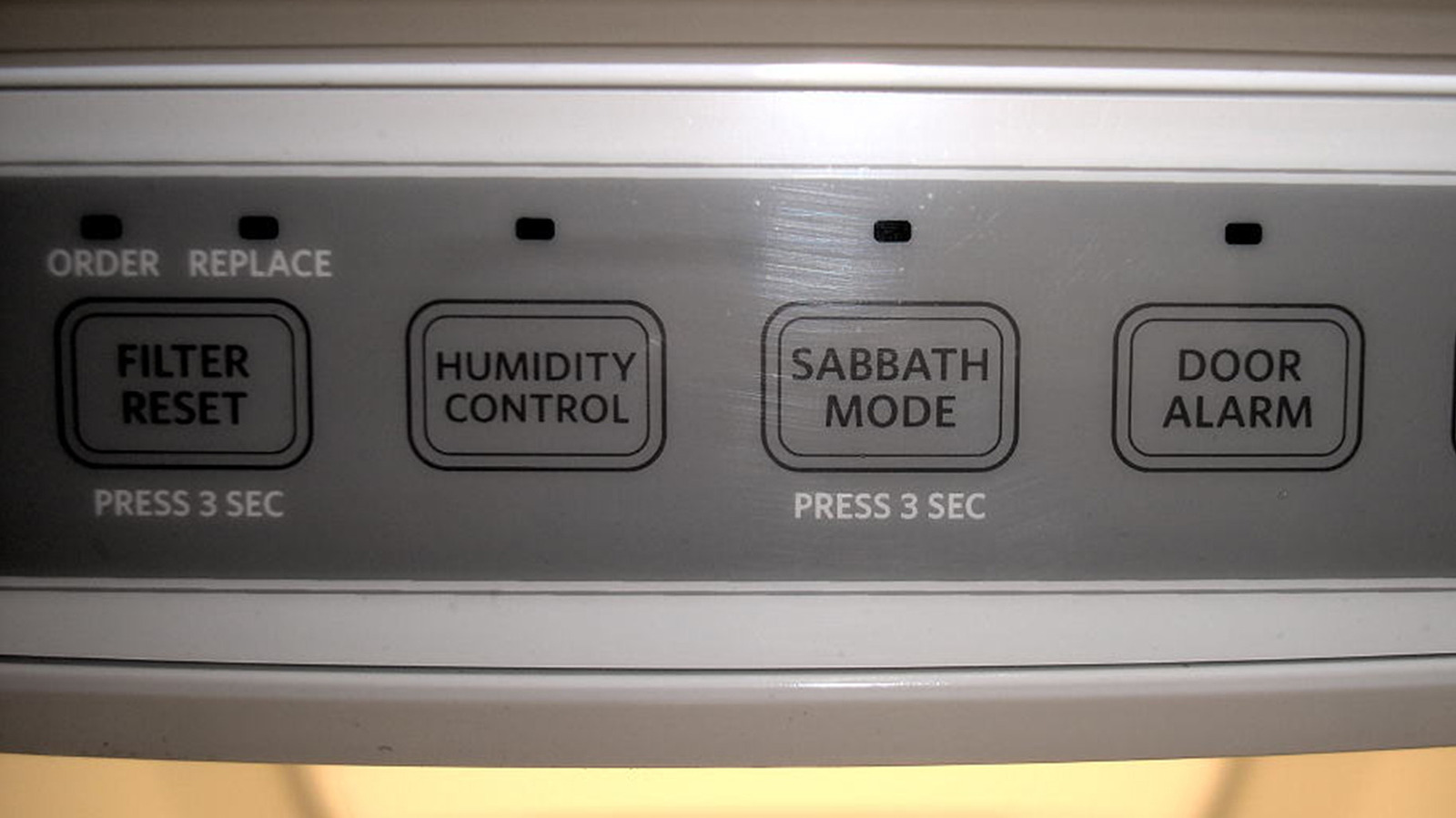
Take the Sabbath in Judaism as an example. Many observant Jews avoid switching electrical devices on or off and refrain from causing a machine to perform a new action. A fridge that records a door opening and sends a push notification could be seen as initiating electronic work. Similarly, users in other faiths may avoid remote control or voice-activated operations at certain times, so a fridge that responds to a whispered command feels problematic.
Privacy and community norms also play a role. Cameras inside a fridge might seem harmless, but they can capture who opens the door and when, and that metadata can travel off the device. In close-knit communities privacy is a serious value; even harmless-seeming tech that logs behavior can create discomfort or mistrust. Those concerns feed into a broader unease about turning intimate household acts into data points.
Manufacturers can help by offering clear, user-friendly ways to disable smart features. Some fridges already include physical switches or an airplane mode to cut wireless connectivity. Others provide settings to turn off cameras or clear logs. For people balancing faith and tech, the best option is a model that lets you manually control what runs and when it runs, without resorting to technical workarounds.
Practical shoppers should look for simple things first: a model without built-in cameras, a way to disable network access, and controls that won’t push notifications during sacred times. If you already own a smart fridge, check settings for camera off, mute notifications, and scheduled quiet modes. Covering a camera, disconnecting the Wi-Fi, or using a power strip to cut juice to certain modules can work too, though these are blunt instruments.
In some cases community leaders and appliance makers can find common ground. Faith organizations have adapted to new tech many times, and manufacturers can learn to provide options that respect diverse practices. The market already contains a wide range of fridges, from purely mechanical models to fully connected systems, so there’s room to match beliefs with features without sacrificing safety or food preservation.
