
You bought the device, but the screen may not act like it belongs to you anymore. From kitchen appliances to cars to computers, software updates are quietly opening the door to ads, promos, and suggestions that show up long after the purchase is done. That shift is what makes this trend so annoying, and it is also why people are paying closer attention to settings, privacy controls, and the fine print that comes with connected products.
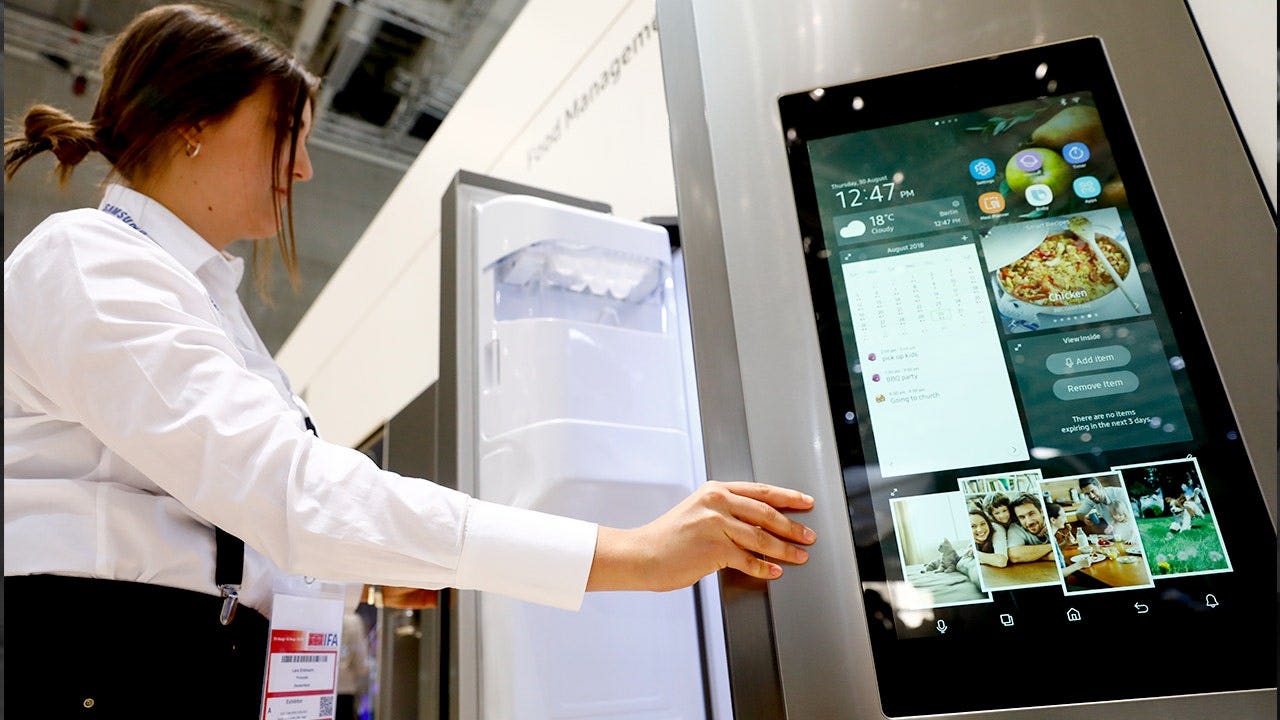
Smart refrigerators are a perfect example of how this plays out. A Family Hub-style fridge can do more than keep food cold, since the built-in display is designed to handle calendars, weather, grocery notes, and other household tools. But once a software update adds a new widget or content stream, the same screen can start rotating ads alongside the useful stuff.
Samsung said it rolled out a Cover Screen widget on some U.S. Family Hub refrigerators that includes weather, news, calendar events, and curated ads. The company also said users can shut the ads off in the settings menu without losing the fridge’s other features, and that the widget does not show on every theme. That matters, because it means the ad load is optional, but it also shows how a product can change after it is already sitting in your kitchen.
If you want those ads gone, the path is straightforward on the fridge itself. Open Settings, go to Advertisements, then Cover Screen Ads, and switch it off. Samsung also says changing to the Art or Album themes can keep the widget from appearing, which gives owners another way to keep the display cleaner.
The same basic idea has reached the driveway. Jeep, Ram, and Chrysler owners previously reported promotional messages popping up on infotainment screens through Stellantis’ Uconnect system, which rubbed a lot of drivers the wrong way. When the screen in your dash is where you expect navigation, climate controls, and vehicle alerts, a sales pitch feels a lot more intrusive than it would on a phone or a website.
Stellantis says its in-vehicle messaging system is meant to share important information like recalls and vehicle health alerts. The company also said the promotional messages described in earlier reports were part of its communication system, but that those messages were no longer running after mid-fall 2025. Even so, the bigger concern stays the same: the car you bought can be changed later by software, and that means the dashboard can be turned into something you never asked for.
That is why this feels so different from a normal ad. A car screen is not some extra entertainment panel sitting off to the side. It is part of how you drive, and when it starts acting like a marketing channel, it can feel like someone has slipped an ad inside a place that should be purely functional.
Windows 11 has its own version of the problem. Ads and suggestions can appear in spots that look like core parts of the operating system, including the lock screen, the Start menu, and account-related prompts. Some of those messages are framed as tips or helpful notices, but others lean hard into recommendations and services Microsoft wants you to use.
The good news is that users can trim a lot of that down. In Settings, head to Personalization, then Lock screen, and switch Windows Spotlight to Picture if you want a quieter experience. You can also turn off the option for fun facts, tips, tricks, and more on the lock screen, then go into Start and disable recommendations, suggestions, personalized offers, and account-related notifications where available.
What ties all of this together is simple: software now gives companies a way to keep reshaping a product after the sale. That can be useful when it brings security fixes, bug fixes, or real feature upgrades. But when the update also brings ads, it feels like the rules changed after the money already left your wallet.
That is why it helps to treat every smart product like a software platform, not just a piece of hardware. Before you buy, check whether the screen can be adjusted, whether ads can be disabled, and whether there are settings tied to recommendations, offers, or notifications. After you install updates, take a minute to see what changed, because the most annoying surprises are often tucked into menus most people never bother to open.
The part that really lands with people is the sense that ownership is getting blurred. A refrigerator should stay a refrigerator, a car should stay a car, and a computer should help you get work done without trying to sell you something every few minutes. When a company turns that screen into prime advertising space, it is not just a tech issue, it is a trust issue, and it is one more reason people are getting a lot more cautious about what they bring home.
