
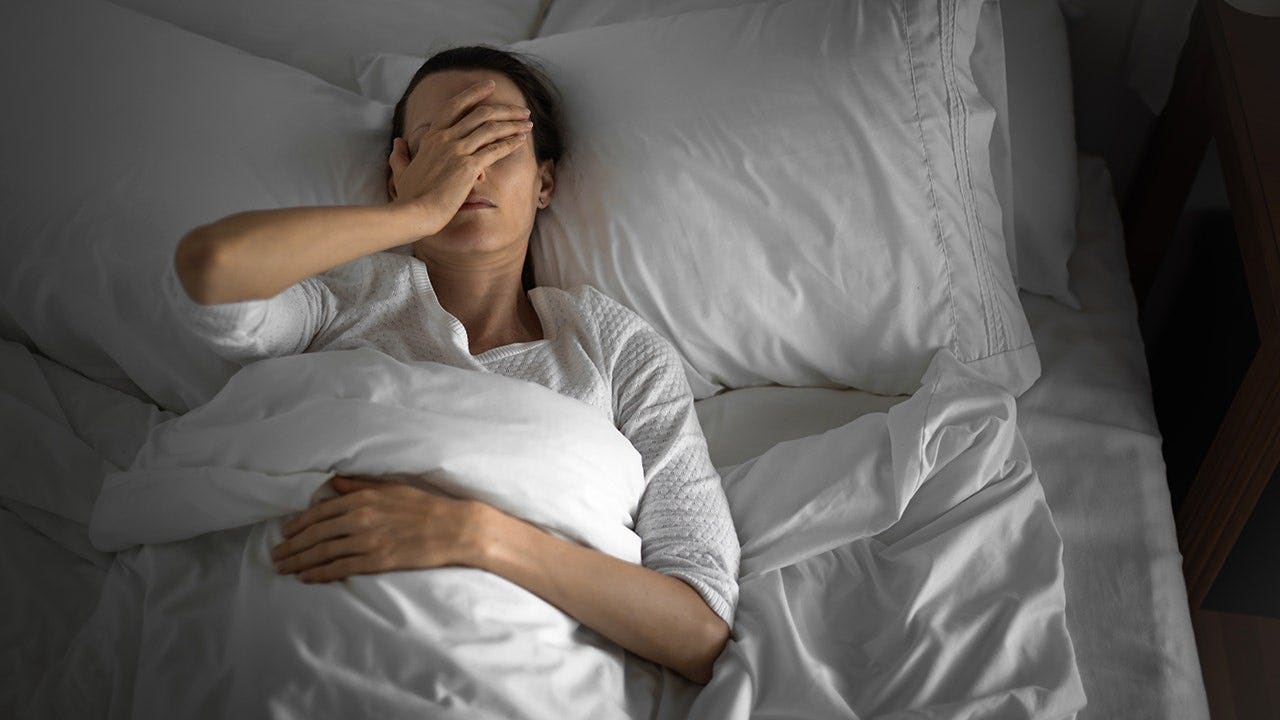
Skipping sleep can do more than leave you foggy and cranky the next day. New research suggests that even a short stretch of reduced sleep may nudge body weight upward, widen waistlines a bit, and change how people move through their day. The study also points to why sleep matters so much for metabolism, especially for adults already dealing with health risks and for women going through menopause.
Researchers at Columbia University Irving Medical Center looked at 95 adults who were already at risk for heart or metabolic disease. They compared two six-week periods: one with enough sleep and one with about 90 minutes less sleep each night. The difference was enough to matter, with participants gaining roughly one pound on average during the sleep-restricted stretch.
The weight change was small, but it was consistent enough to catch attention. Participants also showed slightly larger waistlines by the end of the sleep-cut phase, which is the kind of detail that gets health experts interested fast. Even when the scale does not jump dramatically, gradual changes can still point to bigger patterns under the surface.
What makes the findings interesting is that the researchers did not see major shifts in body fat or muscle mass during the study. That means the extra weight may have come from something else, or simply needed more time to show up in more obvious ways. They also did not track food intake, so the team could not say exactly whether participants ate more, moved less, or both.
The study did find one other clue: people spent more time sitting when they were sleeping less. Their moderate and vigorous exercise levels stayed about the same, which suggests the daily slowdown was not about skipping workouts so much as drifting into a more sedentary routine. That kind of subtle lifestyle shift can add up quickly when sleep is short night after night.
Sleep and metabolism are tightly linked, and doctors say that connection is not just academic. Dr. Somi Javaid, an Ohio-based OB-GYN and founder of HerMD, said sleep plays a real role in helping the body regulate weight and metabolism. She also warned that chronic sleep deprivation can make weight control harder, especially during menopause when sleep issues often become more common.
She put it bluntly: “We are destroying women’s sleep at the exact life stage when their metabolism is [the] least able to absorb the hit, then telling them to eat less and exercise more,” Javaid said. The message behind that line is pretty clear, since sleep loss can hit harder when hormones are already shifting and recovery feels harder to come by.
Javaid also pointed to the American Heart Association’s inclusion of sleep in its “Life’s Essential 8” for heart health. The group recommends adults get seven to nine hours of sleep each night, which lines up with the idea that sleep is not a luxury, it is a basic health habit. “Chronic short sleep is not a lifestyle quirk,” Javaid said. “We need to treat sleep as a vital sign of health.”
That view fits the bigger public health picture, where poor sleep has been tied to more than just feeling tired. When sleep slips, appetite regulation, energy use, stress response, and movement habits can all get messy at once. For people already managing heart or metabolic concerns, that can make a small nightly habit feel a lot more important than it first appears.
Still, the researchers were careful about what the study can and cannot prove. A six-week window may not be long enough to show major changes in body fat, and the sample size was too small to sort out every difference between participants. Some hormone measurements were also collected only in the morning, which means they may have missed changes that happen later in the day.
Even with those limits, the study adds to a growing pile of evidence that sleep and weight are connected in ways people often underestimate. One missed hour here and there can sound harmless, but repeated short sleep may quietly push the body toward patterns that are harder to reverse. And once that routine settles in, it can take more than a weekend of catch-up sleep to shake it loose.
