
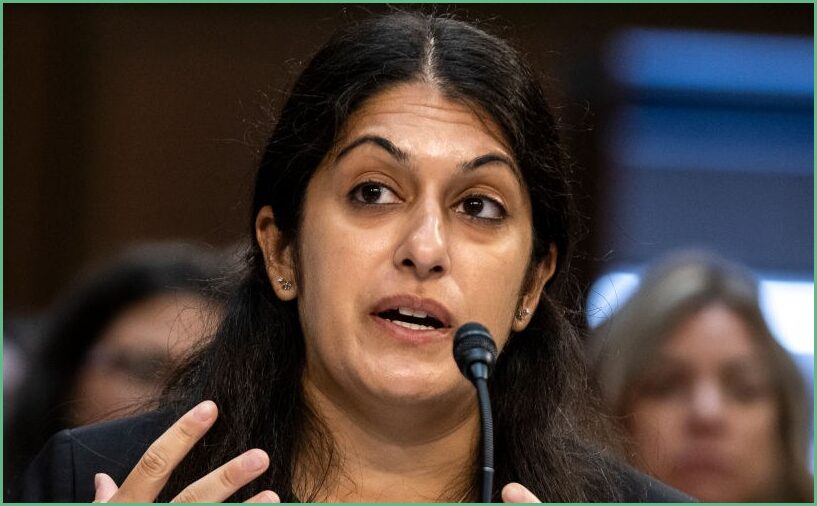
Dr. Nisha Verma, representing Physicians for Reproductive Health, stood before a Senate hearing and declined to acknowledge biological reality during a contentious exchange. The moment has sparked debate about honesty, medical ethics, and how activists shape public policy. This article looks at the encounter, the stakes involved, and why clear facts matter when law and life intersect.
The exchange at the hearing was striking because it put a medical professional in the position of avoiding a plain biological truth. For many Americans, biology is not up for debate: sex is a basic, observable characteristic with medical consequences. When a physician refuses to speak plainly about that, it chips away at public confidence in medical testimony and in policymakers who rely on expert witnesses.
Physicians for Reproductive Health is a vocal abortion advocacy group, and the organization’s stance matters in politics and law. Advocacy groups are entitled to opinions, but there is a difference between advocating and obscuring facts under oath. The refusal to state biological reality in a formal setting makes it harder for lawmakers to craft commonsense policy that respects both science and human dignity.
This was not merely a rhetorical misstep; it reflects a broader trend where ideological commitments can override professional candor. Voters expect medical professionals testifying before Congress to answer straightforward questions honestly. When testimony appears evasive, it strengthens the argument for putting clear, objective standards back at the center of policy debates.
Medical ethics require transparency and fidelity to truth, especially in sensitive areas like reproductive health. Patients and policymakers deserve clinicians who will plainly explain biology and the medical implications of procedures and laws. Evasive answers during a Senate hearing undermine that duty and make it harder to trust official recommendations coming from advocacy-aligned experts.
From a policy perspective, this moment underscores why lawmakers should prioritize factual clarity in hearings that shape federal and state law. Legislators need reliable testimony to balance competing rights and to write laws that protect life, safety, and conscience. If experts soften or sidestep basic facts, it invites poor decision making and partisan policy built on shaky ground.
The public reaction to the exchange shows a hunger for plain talk from both experts and elected officials. People across the country want debates conducted with intellectual honesty and moral seriousness. When a physician declines to recognize biological reality in a formal forum, it reinforces the perception that some institutions have lost touch with common sense.
There is also a practical dimension: legal definitions and medical treatment protocols hinge on clear, accurate terminology. Courts, hospitals, and lawmakers need consistent language to protect patients, practitioners, and the rule of law. Ambiguity driven by political agendas creates costly confusion for clinicians, insurers, and families trying to navigate complex medical and legal systems.
Ultimately, moments like this remind Republicans and conservatives why insisting on factual clarity matters for governance. Holding witnesses accountable for straightforward answers is not a stunt; it is a necessary part of democratic oversight. When hearings demand clear testimony, policy follows solid facts rather than rhetorical evasions.
For voters who care about both liberty and life, the takeaways are simple: experts should answer plainly, lawmakers should legislate from reality, and citizens should expect more from both. The exchange involving Dr. Nisha Verma is a test case for whether our institutions will honor truth when it matters most. Americans deserve hearings that illuminate, not obfuscate, the realities that inform law and life.
