
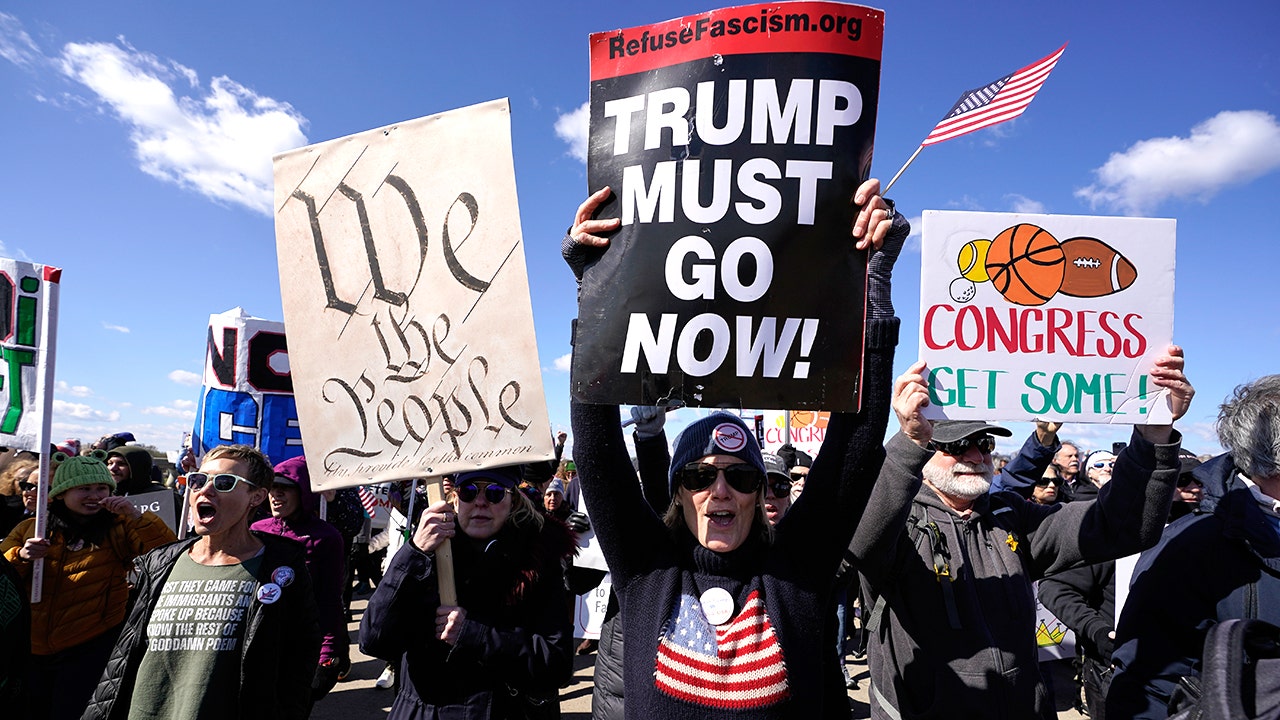
People are treating political disagreement like a psychological injury, and that shift is reshaping relationships, public life and how we argue. This piece looks at how therapeutic language migrated beyond the clinic, how it lets people moralize conflict, and why a politics organized around emotional safety weakens the habits democracy needs. It points to real consequences in private lives and public institutions and argues for a sturdier approach to disagreement that restores resilience, not avoidance.
A recent patient told me, “He’s dangerous,” about a political figure, and used that as a moral justification for fantasies others would find shocking. She wasn’t violent or cruel, but she felt morally cleared to imagine extreme responses because she believed the target posed a unique threat. That kind of moral permission is becoming a common way people interpret political difference.
Therapy language—words like trauma, safety, trigger and validation—started as tools to help people heal, not to reorder public argument. Over the past decade those terms walked out of the office and into everyday life, and they have a weird power when people apply them to politics. Disagreement stops being a contest of ideas and becomes a claim of emotional injury.
When someone is labeled morally irredeemable, the rules that keep debates honest fray fast. Curiosity dies. Fairness becomes conditional. Once a person is cast as a villain, extreme responses can feel righteous rather than excessive. Clinically, that kind of all-or-nothing thinking signals a collapse of nuance and the loss of psychological flexibility.
We see the fallout in families and friendships. People describe cutting off relatives not because of mistreatment but because they find differing views intolerable. Those breakups are often justified by what beliefs are assumed to represent about someone’s character rather than any actual abusive behavior. The result is smaller social circles and fewer chances to test ideas against honest disagreement.
That shrinkage isn’t accidental. Media, social networks and online communities amplify emotionally reinforcing stories that make certainty feel true. When narratives reward moral outrage, certainty crowds out reflection. People start believing they are standing for something essential and cannot be challenged without committing a moral crime.
The phrase “Trump Derangement Syndrome” gets tossed around as a crude diagnosis, but it captures a real pattern: political disagreement becoming emotionally consuming and morally absolute. It’s not just about one politician; the same dynamic shows up whenever entire groups are treated as beyond redemption. That dynamic turns persuasion into exile and debate into hygiene theater.
Good therapy actually trains people in the opposite habits. It helps people reality-test distorted thinking, regulate emotion, tolerate discomfort and stay connected despite disagreement. Those skills build resilience and curiosity instead of encouraging avoidance and certainty. When therapy succeeds, it strengthens a person’s ability to live with friction, not to flee from it.
A functioning democracy depends on citizens who can coexist with people they distrust, dislike or disagree with. If politics becomes organized around emotional threat and moral contamination, governing itself gets harder and harsher. Emotional safety matters, but when it becomes the organizing principle it produces fragility, suspicion and permanent conflict rather than durable political habits.
We need a cultural reset that preserves therapy’s real gains while refusing to let therapeutic language excuse political intolerance. That means restoring moral imagination, practicing curiosity in uncomfortable conversations and teaching people to tolerate disagreement without treating it as injury. These are practical habits more than moral platitudes, and they matter to how Americans argue and govern.
The alternative is a politics where every disagreement becomes a reason to withdraw or punish, and where social life narrows to echo chambers of moral certainty. That path leads to isolation, erosion of civic norms and less capacity to solve collective problems. Rebuilding tolerance won’t be easy, but it’s the only route that protects both psychological well-being and democratic life.
