
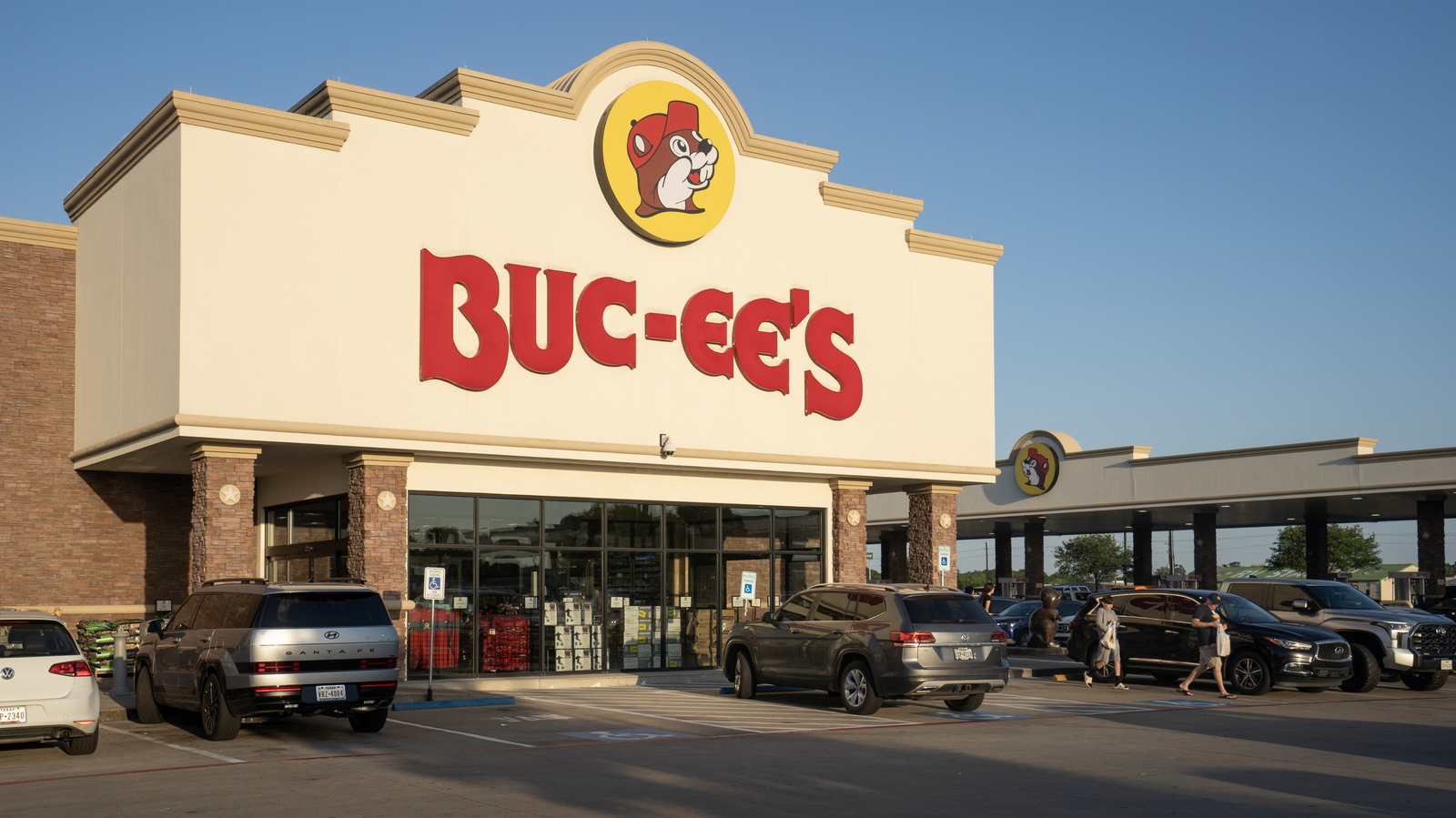
Buc-ee’s has a massive reputation for clean restrooms, giant snack aisles, and sprawling parking lots, but that doesn’t automatically mean it’s an ideal overnight stop for RV travelers. This piece looks at how Buc-ee’s stacks up for RV parking, what to watch for, and practical alternatives so you can plan smarter on the road.
Walking into a Buc-ee’s feels like stepping into a highway wonderland, but the parking reality can be different. Lots are built for cars and big rigs stopping briefly, not for RVs settling in for the night. A big lot doesn’t always equal a legal or comfortable overnight option.
First, check signs and local rules before you consider staying. Many Buc-ee’s locations post signs that prohibit overnight parking or require prior permission, and local ordinances sometimes ban sleeping in vehicles. Ignoring those rules can lead to fines, being asked to move, or an uncomfortable encounter after midnight.
Management policies vary by location because each store sits in a different city or county with its own rules and community concerns. Some managers tolerate a few RVs for a single night, while others strictly enforce no-overnight policies to avoid complaints about sanitation, noise, or loitering. Calling ahead or asking a staff member before you settle in is a smart move and saves hassle.
Safety and courtesy matter when choosing a spot inside a Buc-ee’s lot. Park out of the flow of traffic, avoid taking up multiple spaces, and leave room for customer and truck traffic to move freely. Keep slide-outs and awnings stowed if the lot is busy, and be mindful of trash and gray water; leaving the area clean preserves goodwill for future road travelers.
Noise, lighting, and traffic pattern whims make overnight comfort hit-or-miss at Buc-ee’s. Some lots are near highways with constant truck noise, while others have bright security lighting that can make sleep difficult. If peace is a priority, an RV park or quieter public campground will usually win out over a convenience-store lot.
Buc-ee’s does bring clear advantages though: 24/7 bathrooms, showers at some locations, and easy access to supplies and fuel in one stop. For a tired traveler who needs a quick recharge, a Buc-ee’s run can be perfect—just treat it as a rest stop rather than a permanent overnight base. Use the store to stock up, fill the tank, and get a solid short rest if local rules allow.
If you’re planning longer stays, look for alternatives designed for RVs: public campgrounds, private RV parks, and designated rest areas that allow overnight parking. These options often provide hookups, dumps, and quiet spaces built for extended comfort, which Buc-ee’s lots do not offer. Planning ahead to book or check availability avoids rolling the dice after dusk.
For those who prefer the convenience of stopping at Buc-ee’s anyway, a few practical tips help. Call ahead to the store, park in a less intrusive spot, and set an alarm to leave early if requested. Keep interactions with staff polite and clear that you’re a respectful traveler trying to follow the rules.
In short, Buc-ee’s can be a great mid-trip convenience stop, but it’s rarely the best place to park an RV for the night. Respect local regulations, ask permission when needed, and prioritize designated RV facilities for real overnight comfort. Your trip will be smoother when convenience meets common sense.
