
America’s defense debate should be about strength, readiness, and giving troops the best tools available, not chasing wild claims that collapse under the light of day. The fight over Section 1217 of the FY27 National Defense Authorization Act has been twisted by activists and conspiracy promoters into something it is not, while the real issue remains simple: how to keep the United States ahead of dangerous enemies in a fast-moving era of warfare.
For years, the NDAA has been one of those rare bills that usually draws broad support because national defense should come before politics. It funds the military, helps modernize equipment, and signals to adversaries that America is serious about deterrence. This year, though, that basic seriousness got shoved aside by noise.
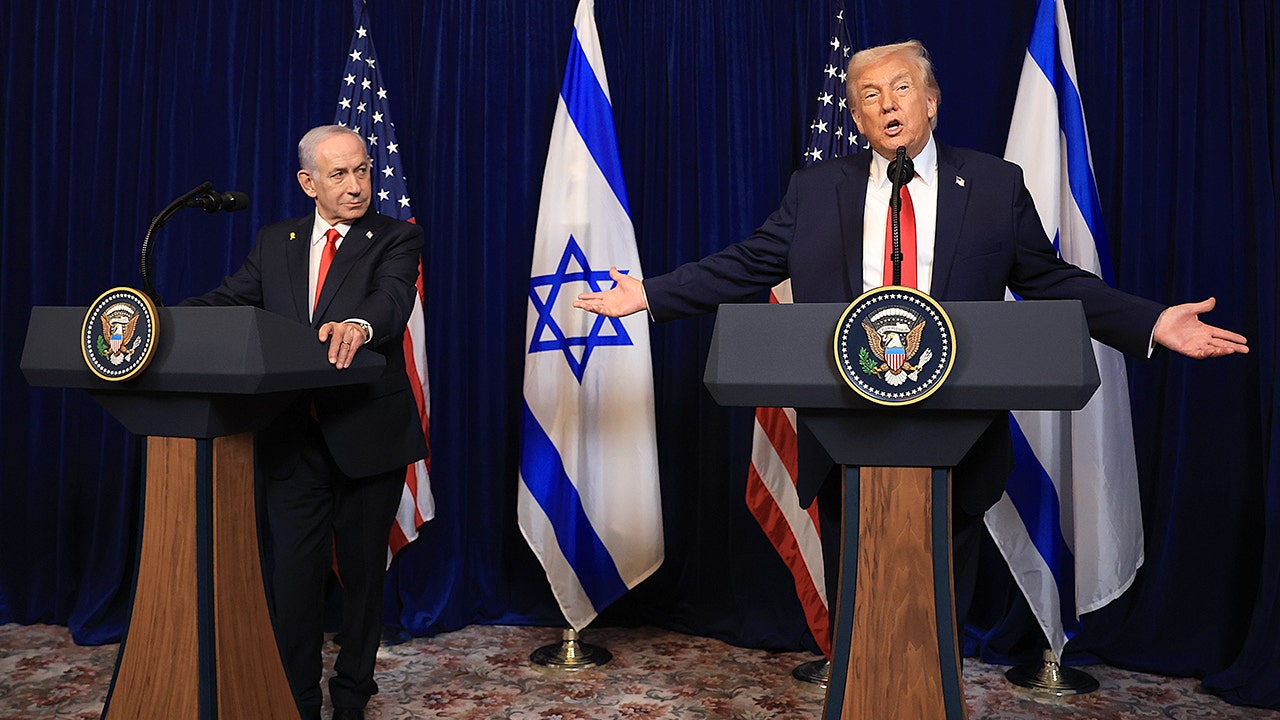
The claim floating around is that the United States-Israel Defense Technology Cooperation Initiative somehow puts American troops under Israeli command. That is false, and not just a little false. Section 1217 does not rewrite the chain of command, does not fuse the two militaries, and does not hand over U.S. service members to a foreign power.
What it actually does is build on years of cooperation in intelligence, research, and defense innovation between the United States and Israel. That kind of partnership matters because modern war is not fought with slogans, it is fought with systems that can detect, jam, strike, and survive. If an ally has already learned how to handle a threat, there is no prize for ignoring that knowledge out of stubborn pride.
Israel has spent decades facing hostile forces, missile attacks, drone swarms, and cyber pressure. Along the way, it has developed useful advances in missile defense, battlefield awareness, counter-drone tools, and other technologies that can help American forces too. That is not charity and it is not surrender, it is smart defense policy.
At the same time, the threats facing the United States are global in scale. America has to deter China in the Indo-Pacific, support NATO allies in Europe, keep sea lanes open, and respond to terrorism wherever it pops up. Our military cannot afford to act like every ally is a burden when the real burden is trying to face every threat alone.
That is why the conspiracy chatter is so dangerous. It trades on suspicion, feeds ugly antisemitic themes, and distracts people from the real stakes of military modernization. When debates turn into fantasy stories about foreign control, the country gets weaker, not stronger.
The modern battlefield is being shaped by artificial intelligence, autonomous systems, cyber warfare, and electronic attack. Cheap drones can wipe out expensive armor, and missile defenses can stop barrages that would otherwise kill civilians and devastate infrastructure. In that world, refusing to cooperate with trusted partners is like showing up to a gunfight and leaving useful gear in the truck.
China is pouring money into advanced military tech, and Russia keeps adapting based on its battlefield experience. Those nations are not pausing their efforts while Americans argue over internet rumors. If anything, their behavior is a reminder that our advantage depends on staying sharper, faster, and more inventive than the other side.
Section 1217 fits that reality. It is aimed at improving capabilities that protect American lives, strengthen deterrence, and keep the military ready for the kind of conflict nobody wants but everyone has to plan for. There is nothing mysterious about helping our warfighters get better technology when the world is already full of people trying to beat us by force.
In places like Montana, where military service and defense readiness are not abstract ideas, that point lands hard. Communities tied to bases, veterans, and national service understand that deterrence comes from capability, credibility, and confidence, not from empty posturing. Americans should be able to argue about foreign policy without pretending every partnership is a plot.
What we should not do is let conspiracy theories define the conversation about national defense. The country needs clear eyes, steady hands, and a willingness to use every legitimate advantage available to protect the troops and keep enemies guessing. If the technology works and the alliance is real, there is no reason to apologize for making America harder to threaten.
