
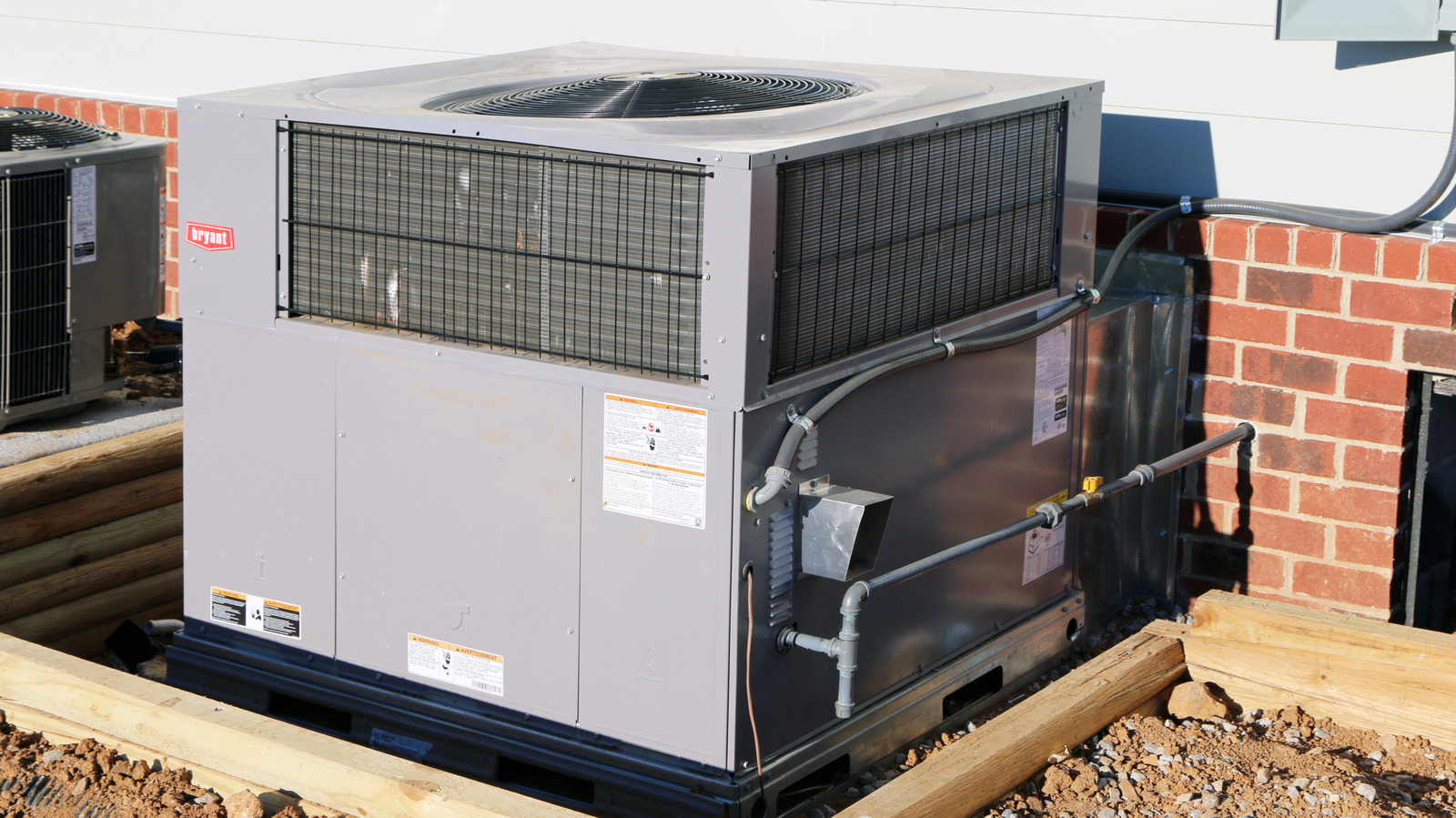
Bryant air conditioners sit in a familiar spot for shoppers who want a trusted name without diving deep into HVAC brand drama. The brand belongs to Carrier Global Corporation, a major player in heating and cooling, and that connection gives Bryant access to serious engineering muscle, broad distribution, and a long track record in the home comfort market.
That parent-company backing matters because Bryant is not just an isolated badge slapped on a box. It shares the wider Carrier family’s manufacturing strength while focusing heavily on residential and light-commercial equipment, which includes air conditioners, heat pumps, furnaces, boilers, thermostats, and indoor air quality gear.
Bryant’s story goes way back, long before the modern HVAC market took shape. The company began in 1907 as the Bryant Heater Company, but its roots stretch even earlier through Charles Lester Bryant’s work in Cleveland, where he started in the natural-gas business and built a reputation around gas regulators.
Charles Bryant first launched the National Gas Regulator Company in 1904, then formally established Bryant Heater Company a few years later. At the start, the business was serving rural customers who relied on natural gas for lighting, which gives the brand a much older and more industrial feel than many people expect from a modern air conditioner nameplate.
Bryant did not become part of Carrier until 1955, when it was acquired through a merger with Affiliated Gas Equipment. That move tied Bryant’s older legacy to a larger corporate structure, and it helped the brand grow into the HVAC lineup consumers recognize today.
Manufacturing is where Bryant’s identity gets especially interesting. The company says much of its product development and manufacturing is centered in Indianapolis, Indiana, with another important operation in Collierville, Tennessee.
The Indianapolis facility is a huge footprint, and Bryant describes it as one of the world’s largest gas-furnace plants. That kind of scale gives the brand a deep production base, especially for equipment that needs careful engineering and consistent quality control.
For buyers trying to figure out exactly where a specific Bryant unit was made, the answer usually sits right on the equipment itself. The data plate is the best place to look, since it normally lists the model and serial number, electrical details, refrigerant information, and the country of origin.
That little plate can tell a lot, especially when the same brand name covers a wide range of products and production timelines. It is the most practical way to pin down the origin of a particular unit instead of relying on general brand reputation alone.
Brand ownership, product category, and manufacturing location all come together here in a pretty straightforward way. Bryant is part of Carrier’s larger system, but it still carries a long history of its own, and its production footprint in Indianapolis and Tennessee shows that the name is backed by more than just marketing.
For shoppers, that mix can be reassuring. Bryant offers the kind of established presence that tends to matter when a summer heat wave hits hard and the AC is the one thing standing between comfort and chaos.
