
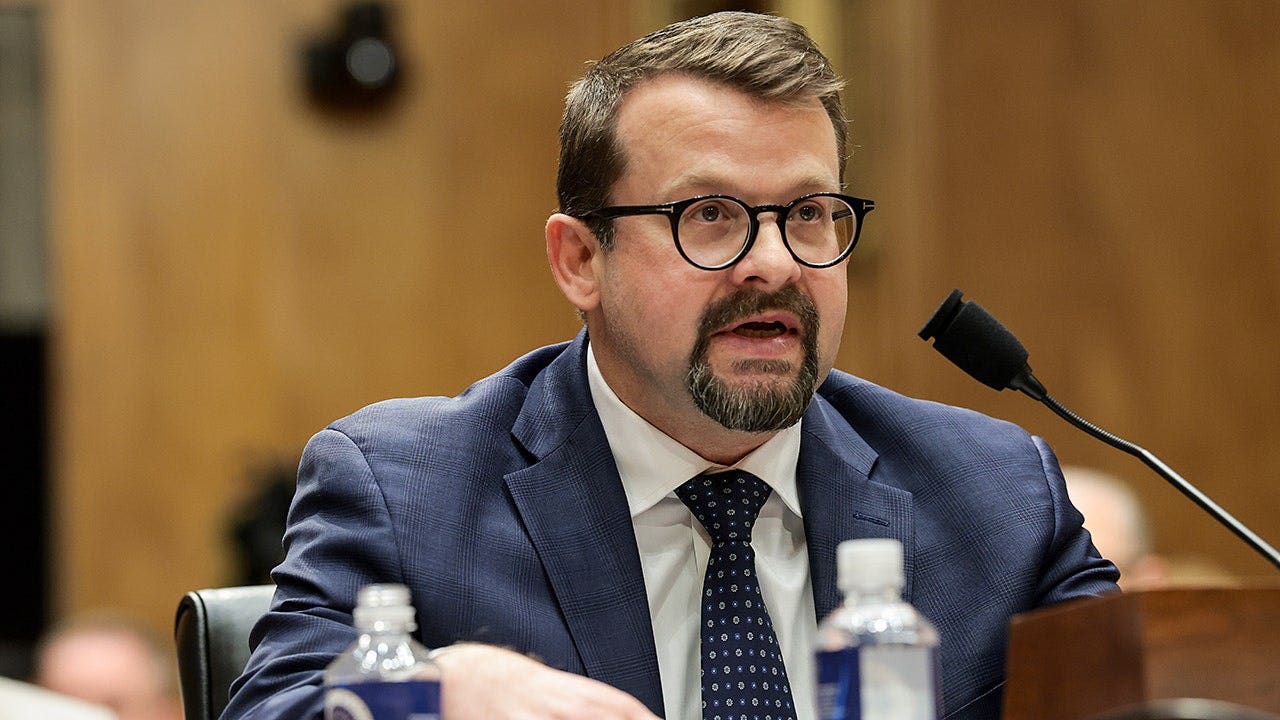
The Senate hearing this week felt like a reveal moment: a senior CIA official laid out claims that the lab-leak theory was suppressed and that Anthony Fauci and other officials played a central role, Democratic senators skipped the session, and Republicans vowed to keep pushing for answers and accountability.
The Homeland Security and Governmental Affairs Committee turned into a stage for a whistleblower who spelled out alleged wrongdoing during the pandemic, and the empty seats on the Democratic side were impossible to miss. That absence looked less like oversight and more like avoidance, especially given the gravity of the accusations on display.
James Erdman, a high-ranking CIA figure, told the committee that the effort to bury the lab-leak possibility “was significantly influenced by Anthony Fauci, injecting himself into the IC [intelligence community].” Those words landed hard in a hearing room where questions about trust and truth have been simmering for years.
Erdman described a pattern where preferred theories were bolstered by placing friendly experts in oversight roles, while skeptical voices were sidelined. The overall picture he painted was not just sloppy policymaking but an organized defense of a narrative that shut out credible dissent.
Senator Josh Hawley did not mince words about motive, arguing that part of the reason for the coverup was financial and institutional involvement. He said the reason Fauci lied was “because he helped fund the Wuhan lab. He supported and funded gain-of-function research, and then he tried to cover it up, and then he worked to cover it up from the American people,” adding, “I hope he’s indicted.”
Rutgers molecular biologist Richard Ebright, who has been locked out of many official conversations, offered a blunt assessment of what went wrong inside the scientific and bureaucratic machinery. “Misfeasance and malfeasant science administrators,” Ebright told me. “Notably, [former National Institutes of Health Director] Francis Collins and Fauci, deliberately misinformed the public about the origin of COVID, and many scientists, science journalists and general journalists joined them in deliberately misinforming the public about the origin of COVID.”
Ebright is not a fringe voice. He’s the sort of lab-trained, credentialed expert who was often excluded from the mainstream discussion during the pandemic, which raises questions about how expert input was curated. Labeling dissenters as cranks while elevating convenient allies turned scientific debate into gated theater.
He also spelled out the timeline and the stakes in stark terms: “All informed persons, without exception, understood by January-February 2020 that COVID likely entered humans through a research-related incident, involving reckless gain-of-function research performed in Wuhan and enabled by U.S. government funding approved by Collins and Fauci in violation of U.S. government policies prohibiting funding for such research.” That sentence challenges the official record and demands a full accounting.
For many Americans the most galling detail isn’t just error but the sense of being misled. Schools were closed, businesses were crushed, family members died alone, and trillions of dollars were spent chasing policies built on contested premises. When elected officials and agency heads dodge accountability, it deepens public cynicism and erodes confidence in institutions.
The political response from Democrats was to largely steer clear of the spotlight this week, a choice that looks like political triage rather than civic duty. Avoidance might blunt immediate headlines, but it won’t stop investigators or the American public from pushing for the truth or from demanding consequences if the allegations hold up.
The danger Ebright warns about is practical and immediate: “Reckless gain-of-function research continues, and continues to receive U.S. government funding,” he said. “This sets the stage for a next, possibly even worse, lab-generated pandemic.” That is a warning that cuts through partisanship because it’s about preventing future catastrophe.
Republicans on the committee say they already have enough pieces to consider serious legal steps, and they pledge to keep following leads wherever they go. Whether that ends in indictments or new policy safeguards, the takeaway is clear: a core chunk of Americans want answers and reforms, not spin.
