
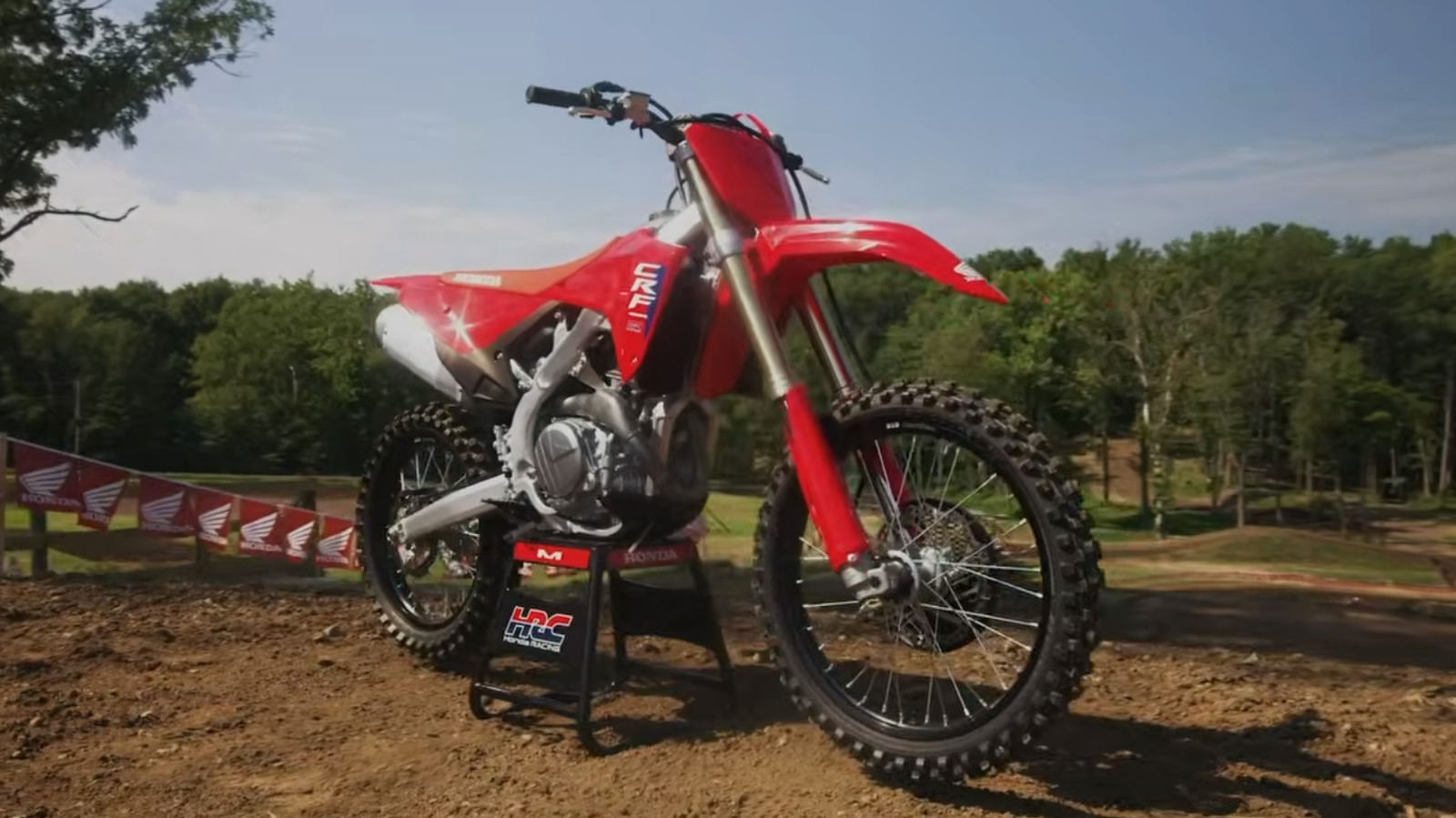
Honda didn’t sit back with the CRF450; the 2027 updates push the bike toward a sharper, more confident ride. This piece walks through what changed, why it matters for riders, and how those tweaks could alter the CRF450’s edge on track and trail. Expect a focused look at engine behavior, chassis balance, electronics, and rider-first improvements that matter where rubber meets dirt.
The headline is engine refinement. Rather than chasing big peak numbers, Honda focused on usable power that hits hard across the rev range. Riders should notice stronger midrange pull and smoother transition through the upper revs, which translates to fewer gear shifts and less hunting for power during technical sections. That kind of real-world performance often matters more than a dyno number when races or long rides get intense.
Honda also reworked fuel and ignition mapping to make the power delivery more predictable. The new ECU calibrations are tuned to match the mechanical changes, so throttle response feels crisp without being snappy. That balance helps both aggressive racers who need an immediate reaction and weekend riders who want a forgiving bike that still performs when pushed. It’s a smart move toward usable speed instead of flash.
The chassis changes are subtle but purposeful. Geometry tweaks aim to stabilize the bike at speed while improving turn-in feel for tighter corners. Honda engineers focused on weight distribution and rigidity to give the CRF450 a planted feel without robbing it of agility. Those adjustments help the bike do the heavy lifting on fast sections while remaining lively in technical terrain.
Suspension didn’t get sidelined either. The 2027 model benefits from updated valving and revised damping curves to better absorb chop and maintain traction over varied surfaces. Riders will likely appreciate improved feedback from the suspension, which makes it easier to trust the bike at higher speeds. Better traction and control mean more confidence and faster laps when everything else is dialed in.
Ergonomics were tuned with rider comfort and control in mind. Subtle changes to seat shape, handlebar position, and footpeg placement promote better weight distribution and less fatigue. Those small adjustments add up during long motos or tough trail days, keeping riders fresher and more focused. Honda seems intent on making the CRF450 feel like an extension of the rider rather than a machine to wrestle with.
Maintenance and usability saw attention too, with component layouts that simplify service and adjustments. Cooling and intake routing were refined to improve reliability under race conditions and minimize heat soak during back-to-back runs. For owners who demand both weekend fun and hard use, these practical upgrades reduce downtime and keep the bike on the track or trail where it belongs.
Electronics have moved forward in a practical way, focusing on rider aids that complement the mechanical changes. Tunable engine maps and more intuitive controls let riders dial in the bike for different conditions without getting lost in menus. When electronics match mechanical intent, the result is a cohesive machine that performs predictably in the hands of a wide range of riders.
All told, the 2027 CRF450 family looks to be a sharper, more user-friendly evolution of a proven platform. Honda’s approach prioritizes usable improvements over flashy new hardware, and that philosophy often pays off when real riders push the bike hard. For anyone who rides aggressively or races, these tweaks should make the CRF450 feel more competitive and more rewarding to ride right out of the gate.
