Google has quietly overhauled Fitbit, replacing the old app with Google Health and launching a starkly simple tracker called Fitbit Air. After two weeks of wearing the band and using the new app, here’s a clear take on design, data, battery life, and the one real compromise you should know about.
The transition from the classic Fitbit app to Google Health is the backdrop for the new Fitbit Air, and the change feels intentional. Google ditched the clutter and shipped a tracker that pulls Fitbit back toward basics, focusing on the metrics people actually wear a band for. It’s a conscious move away from smartwatch features and toward always-on, lightweight tracking.
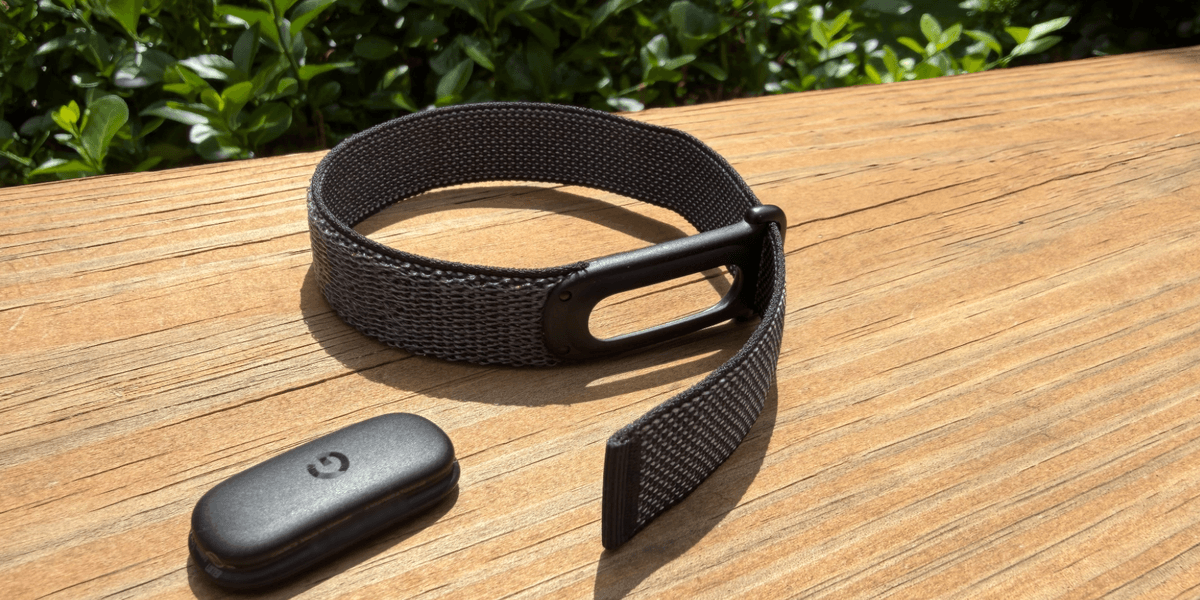
Fitbit Air itself is tiny and deliberately plain. There’s no display, no notifications, and no smartwatch frills — just a pebble of sensors you slip into wrist straps. The minimal approach makes it feel like a proper fitness band rather than a small computer strapped to your arm.
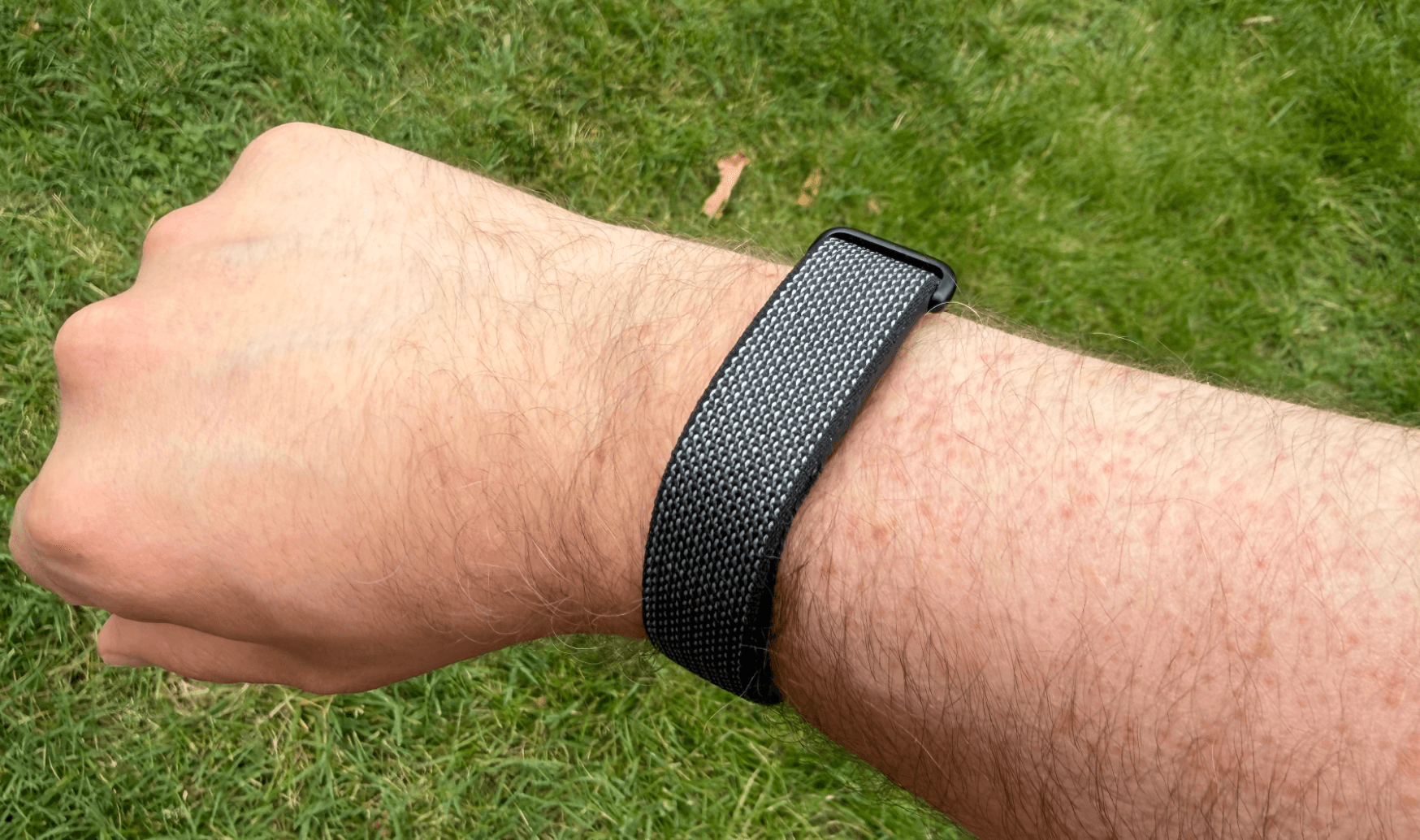
The tracker comes with a soft fabric Performance Loop and optional silicone and dressier bands for different situations. The pebble design hides the battery and sensors neatly, and the strap options cover workouts and everyday wear without feeling gimmicky. That flexibility makes it easy to forget you’re wearing the device, which is exactly the point.
On the wrist, Fitbit Air is extremely light and unobtrusive, and the battery life backs that up. I consistently got around seven days between charges through normal use, with the usual small variation depending on workout frequency. For a device meant to be worn day and night, that longevity is a major win.
Accuracy is the core question for something this small, so I compared Fitbit Air to a long-used Apple Watch to see where they match and where they diverge. The two devices agreed on a lot but disagreed enough to show how different tracking systems interpret motion and physiology. To settle some disputes I ran a controlled 100-step test as a sanity check.
For step counting, Apple Watch logged more steps on most days, but Fitbit Air won a sizable minority of the time. The biggest gap I saw was about 605 steps, while another day they were nearly identical. A controlled 100-step walk produced matching counts on both devices, which points to the daily discrepancies coming from how each gadget treats small hand movements as steps.
Heart rate reporting is where Fitbit Air leans on frequent sampling to paint a fuller picture. It records values often, producing denser heart rate graphs than devices that sample less frequently. For everyday monitoring they lined up reasonably well, but during intense exercise the sensor occasionally lagged or missed sudden spikes, which could skew workout intensity readings.
Oxygen monitoring on Fitbit Air is passive and sleep-focused, unlike some devices that let you take on-demand readings. Nighttime SpO2 readings tended to be a touch higher than the wrist-watch comparison, usually by about 0.5 to 1 percentage point. Wrist-based pulse oximetry is inherently less precise than finger devices, so consistency night to night matters more than single-value accuracy.
Sleep tracking is a real strength for this little tracker because it simply works quietly in the background. It detected bedtimes and wake times within minutes of my other device and even picked up mid-night wake periods that mattered. The Air doesn’t require a sleep mode switch — it looks for biological cues and logs sleep automatically, which is convenient for anyone juggling odd hours.
The main limitations are practical: there’s no built-in GPS and no altimeter, so outdoor runs and elevation changes need your phone to get mapped routes and accurate elevation data. If you don’t care about mapping every run, that won’t matter, but serious athletes might miss those sensors. The absence of GPS keeps the device small and cheap, but it’s the tradeoff to be aware of.
At around $99, Fitbit Air is a strong value for people who want simple, reliable tracking with excellent battery life and sleep detection. It nails the basics and keeps things light and comfortable, though Google’s ownership means your health data lives inside Google’s ecosystem. For casual users and sleep-conscious folks, it’s an appealing option; power users may want more sensors and on-demand features.
Google has packaged Fitbit Air as a tidy, wearable tool that does the essentials well while nudging users toward its broader services. The result is a capable tracker with a clear purpose and a single, intentional compromise: you trade advanced sensors and mapping for simplicity, battery, and price.