
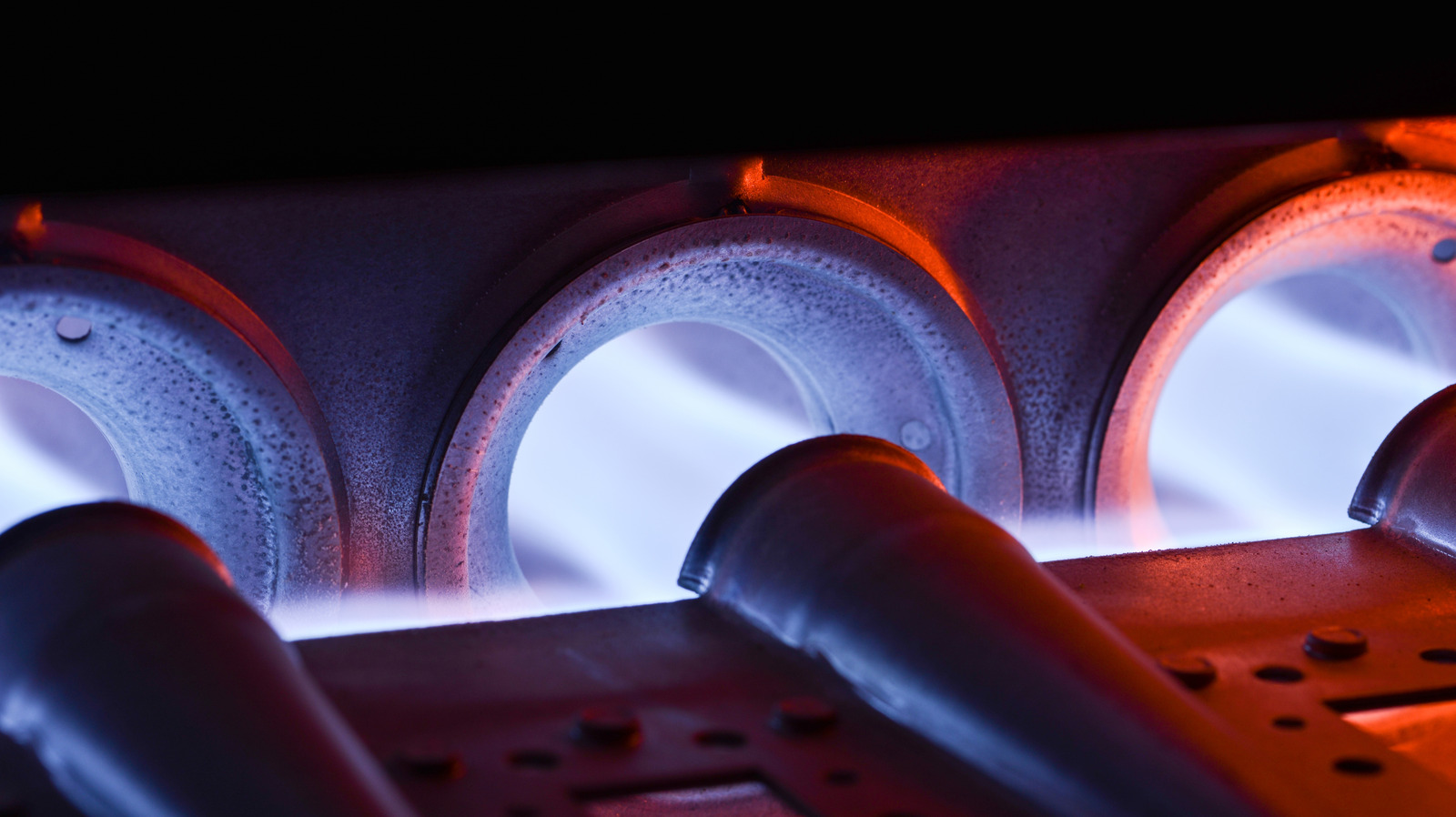
Homes today rely on heating systems that are far more efficient and complex than the furnaces and boilers of a generation ago, but that progress has not erased every safety risk. This article looks at the persistent hazards tied to modern heating: fuel leaks, carbon monoxide, electrical faults, blocked vents, and the human errors that let trouble grow. It outlines practical ways to spot danger early and keep a system both warm and safe.
Carbon monoxide remains the stealthiest threat in any heated house because it is invisible and odorless, and modern furnaces can still produce it if combustion is incomplete. Even a high-efficiency boiler can give off dangerous exhaust if a heat exchanger cracks or a flue becomes obstructed. Install a reliable detector and treat any alarm as urgent, not a background nuisance.
Gas leaks are rarer than they used to be thanks to better piping and sensors, but they are still a serious risk when connectors age or an appliance is poorly installed. A hissing sound, a rotten-egg smell if mercaptan is present, or sudden appliance shutdowns are warning signs that deserve immediate action. Shut off the gas at the meter if it’s safe, ventilate, and call a licensed technician rather than trying to diagnose the problem yourself.
Electrical issues pose a different but equally real danger when heating systems mix power and heat. Faulty wiring, overloaded circuits, and degraded controls can spark fires or leave a system dangerously unstable. Regular visual checks for scorch marks, buzzing noises, or tripped breakers reduce the chance of a small fault turning into a major loss.
Blocked or poorly routed venting is a common cause of both CO buildup and reduced system performance, especially in tightly sealed homes. Dryer lint, bird nests, or snow can plug a flue, and that backup forces exhaust into living spaces. Keep vents clear year-round and inspect exterior terminations after storms or heavy winds.
>Aging equipment deserves more respect than it often gets because components fail unpredictably as they reach the end of their useful life. Heat exchangers, seals, and electronic control boards all wear out, and older systems might lack modern safety redundancies. If your HVAC has seen a decade or more of service, budget for a professional assessment and consider staged replacement to avoid urgent failures.
DIY fixes can save money, but they also create risk when people tackle tasks beyond their training, like adjusting gas valves or rewiring controls. Simple maintenance—filter changes, clearing debris, and monitoring pilot lights—is safe for most homeowners, but any work involving gas lines, combustion chambers, or electrical wiring should be left to certified pros. A clear rule of thumb: if the repair affects fuel flow or combustion, call a licensed technician.
Routine maintenance is the most effective defense against the hazards listed here, and it can be surprisingly inexpensive compared with the cost of a failure. Annual inspections, timely filter swaps, flue cleanings, and documented service histories all lower risk and often improve efficiency. Ask technicians to check combustion efficiency, inspect vents, and test safety interlocks during each visit.
Simple, practical safety tools multiply the chances of catching trouble early: carbon monoxide detectors on every floor, smoke alarms near mechanical rooms, and basic fire extinguishers stored in accessible locations. Combine detectors with a clear evacuation plan so everyone knows what to do if an alarm sounds. Don’t rely on a single device—redundancy saves lives.
Regulations and local codes matter because they set minimum safety standards for installations and repairs, and legitimate contractors will follow them without argument. Insist on permits and post-service documentation so you have a traceable record should questions arise later. Safety is not just common sense; it’s also paperwork and proof that work was done right.
Treat your heating system like a family member that needs regular checkups: attentive, predictable care prevents most tragedies. Small preventive steps—detectors, inspections, keeping vents clear, and hiring qualified technicians—create a resilient system that warms your home without inviting danger. Stay alert, but don’t panic: most problems are avoidable with the right habits and timely service.
