
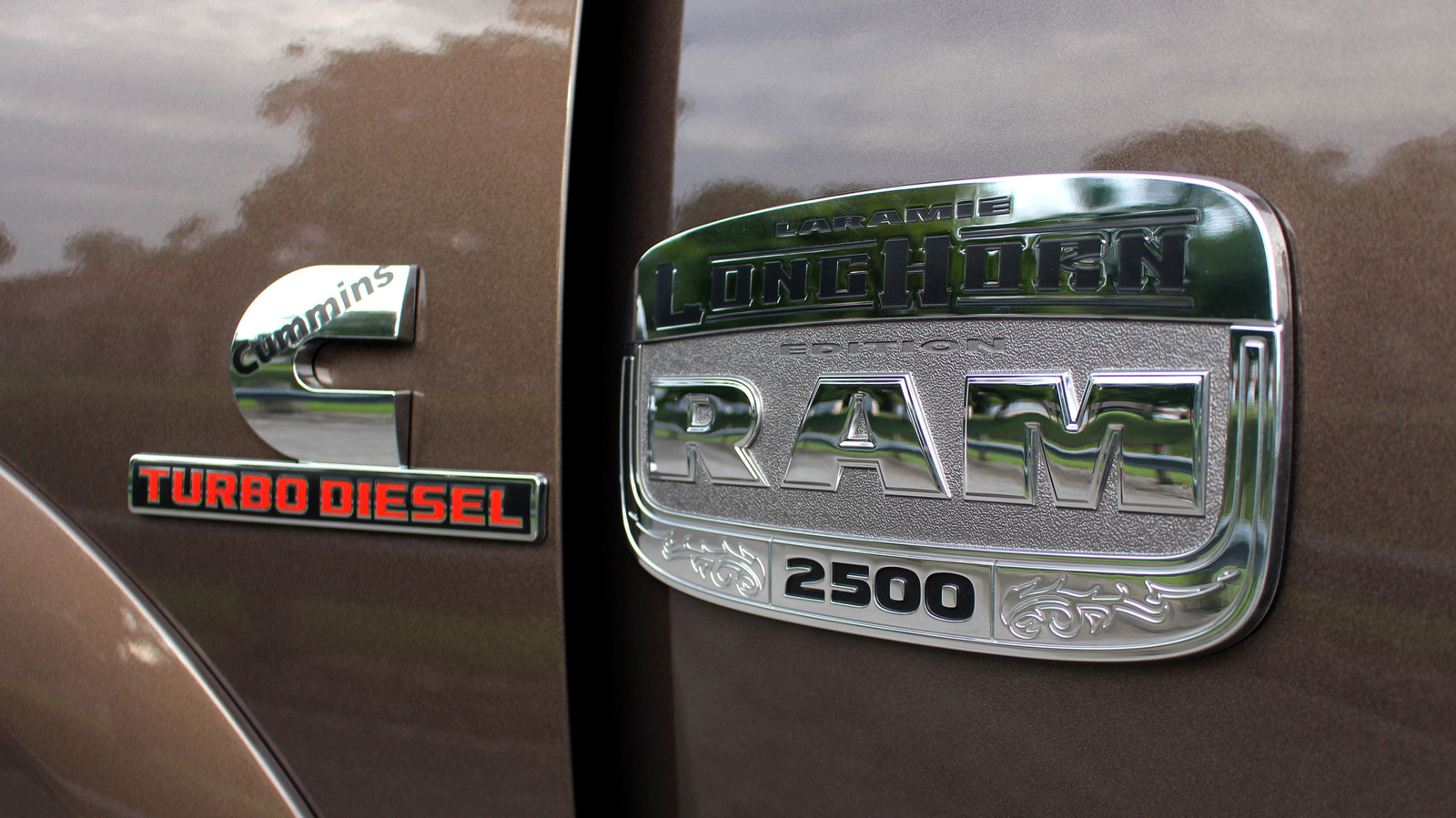
The Ram 2500 diesel has a reputation for toughness, but even the sturdiest trucks can develop recurring issues that catch owners off guard. This piece walks through the common trouble spots owners report, why they happen, and practical ways to spot and address them before small annoyances turn into big bills. If you rely on a Ram 2500 diesel for work or play, this is a straight-shooting look at what to expect and how to keep it running longer.
Start with the engine itself: many Ram 2500 diesel owners encounter fuel system quirks and injector troubles that show up as rough idling, poor fuel economy, or hard starts. Modern diesels are sensitive to fuel quality and contamination, and injectors wearing or fouling can produce performance hiccups or warning lights. Regular fuel filter changes and using clean diesel are simple habits that reduce the risk of expensive injector work down the road.
Turbochargers are another hotspot because they work under extreme heat and pressure. A whining noise, loss of power, or excessive smoke from the exhaust often points to turbo wear, oil leaks, or boost control issues. Catching turbo symptoms early and checking for oil contamination or boost leaks saves money compared with waiting until a full replacement is needed.
Emissions gear—DPF, EGR, and DEF systems—causes recurring headaches on many modern diesels, and the Ram 2500 diesel is no exception. A clogged diesel particulate filter or a malfunctioning exhaust gas recirculation valve can trigger limp modes and frequent regen cycles that frustrate drivers. Understanding how your truck handles active and passive regenerations, and not short-shifting the regen process, will help avoid premature clogging and expensive cleaning jobs.
> “The Ram 2500 diesel is considered a reliable workhorse of a vehicle, but even a truck with such a solid reputation often encounters some recurring problems.”
Transmission and drivetrain complaints surface when trucks haul heavy loads or tow frequently. Shifting hesitation, slipping gears, or unusual clunks under load are signs the transmission or torque converter needs attention. Routine fluid checks, timely service intervals, and avoiding overheating during heavy towing can extend the life of these components and keep shift quality crisp.
Electrical gremlins and sensor failures are common enough to watch for; a single faulty sensor can set off a cascade of warning lights or weird behavior. Wiring exposed to the elements, corroded connectors, or bad grounds often create intermittent faults that are hard to trace. A methodical diagnostic approach and targeted repairs usually beat a shotgun replacement approach that wastes parts and money.
Cooling system leaks and oil dilution problems show up in real-world use when trucks see long idling or stop-start duty. Coolant leaks, heater core issues, or oil contamination from fuel dilution can lead to overheating or reduced lubrication protection. Keeping cooling system components serviceable and watching oil condition closely gives early warning before more serious damage occurs.
For owners who like to DIY, basic checks—visual inspections of hoses and clamps, listening for unusual noises, and monitoring for smoke or odd exhaust odors—do wonders. Save receipts, follow recommended maintenance intervals, and be proactive about fluid and filter swaps. When the job is beyond the driveway, find a technician familiar with Dodge/Ram diesel systems to avoid generic fixes that don’t address root causes.
If you’re shopping for a used Ram 2500 diesel, look for maintenance records and signs of consistent care, and have a pre-purchase inspection focus on fuel system, turbo, emissions components, and transmission health. Test drive under load if possible and ask about towing history because that use pattern accelerates wear. Smart scrutiny up front prevents surprises later and keeps a dependable diesel truck doing the heavy lifting you expect.
