
This piece looks at the nonnamaxxing trend, a push to slow down, cook more, get outside and reconnect with people, and it explores why leaning into older rhythms can help mental and physical health while warning against turning gentle rituals into new sources of stress.
People are swapping relentless optimization for steadier routines that feel familiar and human. The idea borrows from the image of an Italian Nonna who puts time and care into food, chores and company. It’s less about perfection and more about choosing presence over constant stimulation.
“Nonnamaxxing is a 2026 trend that embraces the slower, more intentional lifestyle of an Italian grandmother (a Nonna). Think cooking from scratch, long family meals, daily walks, gardening and less screen time,” Erin Palinski-Wade, a New Jersey-based registered dietitian, said. That line captures the heart of the movement: deliberate, small practices that add up. Many people find those habits easier to keep than flashy self-improvement goals.
Cutting back on screens and stepping into the real world produces obvious social perks. Face-to-face time tends to feel richer and more satisfying than scrolling through feeds. Clinicians point out that social connection is a critical ingredient for stable mood and a stronger sense of belonging.
“We know that interacting with others in person, rather than spending time on screens, significantly improves mental health,” Laurie Singer noted, and people often feel the difference almost immediately. The constant comparison engines built into social media can quietly chip away at self-worth and inflate anxiety. Choosing in-person contact rewires daily life toward direct feedback and shared laughter.
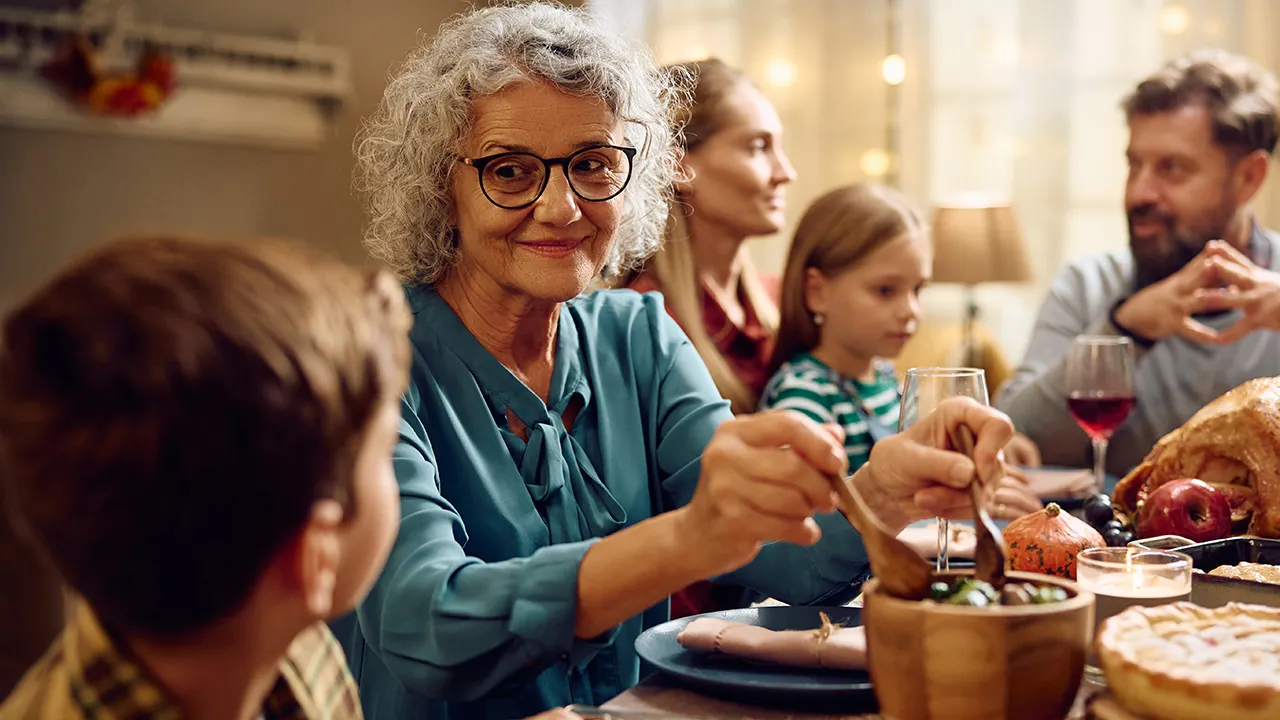
Food plays a starring role in this revival of slower living. Cooking from basic ingredients nudges people toward better nutrition and away from ultra-processed convenience meals. Preparing a pot of sauce, a simple roast or a vegetable pan creates rituals that anchor the day and invite conversation.
Shared meals are more than nutrition; they structure time and provide meaningful rhythm. Eating together tends to slow people down, encourage mindful bites and improve digestion and satisfaction. Those small shifts in how we eat can ripple into better sleep, steadier energy and less impulsive snacking.
There’s also a clear mental health payoff when people embrace hands-on tasks. Focusing on one craft or chore at a time reduces the pile-up of unfinished tasks that fuels stress. “Nonnamaxxing encourages us to be present around a task, like gardening, baking or knitting, or just taking a mindful walk, that delivers something ‘real,'” Singer said, and that tangibility matters.
Gardening, baking and simple handiwork offer immediate, visible returns on effort, which helps quiet the brain’s hurry. When you see a plant grow or a loaf brown in the oven you get straightforward feedback, not an endless algorithmic reward loop. Those wins, small as they are, build confidence and calm.
Experts caution that this trend can backfire if it becomes another checklist to beat yourself with. Many traditional lifestyles rested on different economic and gender roles, so people today need to adapt the spirit without copying every detail. The goal is to borrow mindset and tools that fit modern schedules, not chase an impossible ideal.
Practical moves are easy to pick up: aim for a couple of shared dinners a week, walk without your phone for twenty minutes, pick one hobby that requires your hands and attention. These choices create pockets of attention and reduce the constant churn of notifications. Over time those pockets add up into a steadier, more resilient routine.
Most importantly, nonnamaxxing is flexible and meant to be gentle rather than prescriptive. Let the approach be a nudge toward things that actually make you feel better rather than another project to finish. “Having a positive place to escape to, through whatever activities speak to us and make us happy, isn’t generational – it’s human.”
