
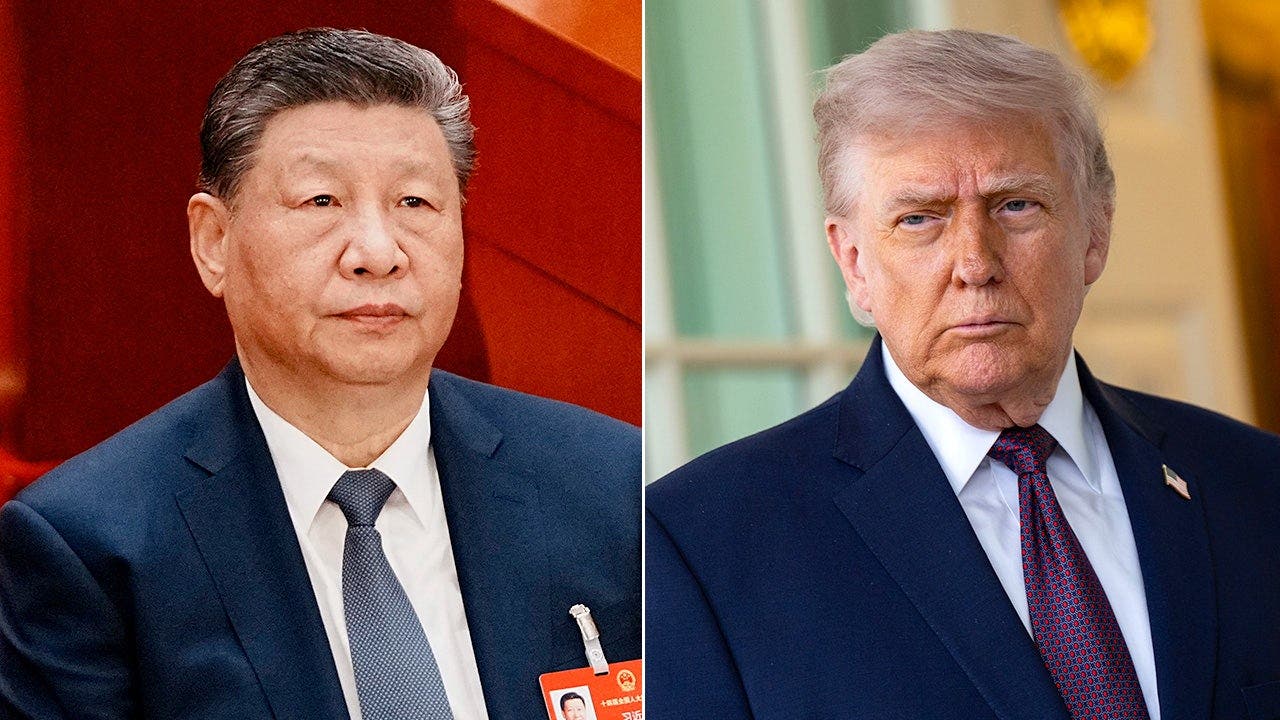
Americans should pay attention to President Trump’s upcoming meeting with Xi Jinping because proposals to let Chinese manufacturers build cars on U.S. soil threaten jobs, supply chains, and national security. A rare bipartisan push in Congress aims to block those moves and keep strategic industries under American control. This piece outlines the stakes, the legislation, and why protecting manufacturing and data matters for our future.
Recent signals from the White House suggest a willingness to relax rules and invite Chinese production into the United States, and that idea is dangerous on multiple fronts. Letting foreign state-backed firms operate freely here risks undermining American factories, hollowing out communities, and shifting control of critical technology to a geopolitical rival. Congress, on both sides of the aisle, is preparing to push back hard against any policy that would make China a bigger presence in our manufacturing base.
I am leading bipartisan legislation with Congressman John Moolenaar to ban Chinese car companies from establishing operations that would undercut American automakers and put union jobs at risk. This is about protecting workers and maintaining an industrial backbone that supports national resilience. Allowing underpriced or state-subsidized competition to flood the market would displace supply chains that took decades to build.
For decades the United States embraced deep global integration with the promise of shared gains, but the outcome has often been economic loss for middle America. Whole industries were moved offshore, semiconductors and steel plants closed, and regional suppliers followed the work wherever costs were lowest. Communities from Michigan to Pennsylvania watched once-stable livelihoods evaporate, and the social and economic costs have been severe.
PROTECTING AMERICANS’ DATA FROM CHINA IS CENTRAL TO AN AMERICA FIRST AGENDA Lawmakers from both parties have sent letters urging the president not to weaken restrictions or open trade looph that would let Chinese vehicles into U.S. markets via USMCA provisions. More than fifty Republicans and several Democrats warned that lowering barriers would create direct threats to manufacturing and to the privacy and security of Americans. Closing loopholes and maintaining sensible bans is a bipartisan demand rooted in national interest.
Industry leaders are not silent on this. Ford CEO Jim Farley recently warned that allowing Chinese automakers into the U.S. market would be “devastating” for domestic manufacturing, and executives are raising real questions about the data harvested by cameras and connected vehicle systems. When vehicles collect location, biometric, and behavioral information, control over that data becomes a matter of national defense as much as consumer privacy. We cannot pretend those risks vanish if a factory happens to be on American soil while ownership and cloud control remain in the hands of a rival government.
This debate is fundamentally about resilience and sovereignty. A nation that cannot make its own critical goods or defend the data its citizens generate gives away leverage needed to protect itself in crises. We should welcome fair investment from partners who share free-market values, but strategic sectors tied to security and privacy deserve strict guardrails to keep control with companies committed to our interests.
The president must stand firm and keep his pledge not to let China manufacture strategic goods here in a way that undermines American workers and communities. This is not hostility toward ordinary Chinese people or a rejection of trade; it is a defense of jobs, privacy, and economic independence against deals that would hollow out our manufacturing base. When a proposal shifts power and technology to an authoritarian rival, walking away is sometimes the smartest bargaining move because a bad deal will cost Americans far more than any short-term headline victory.
