
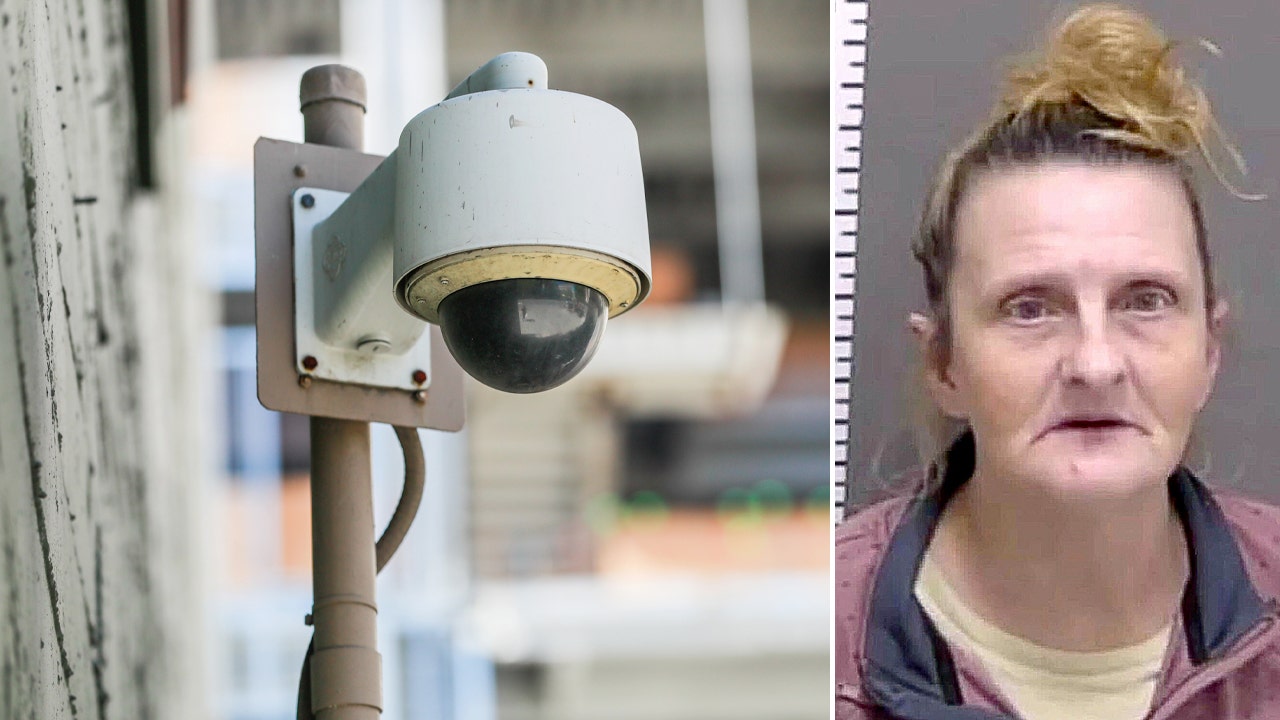
A Tennessee grandmother says she was arrested and held for months after facial recognition linked her to an out-of-state bank fraud case, a story that exposes how a single machine-generated lead can ripple into a person’s life and prompt police departments to rethink their procedures.
Angela Lipps, a 50-year-old grandmother from Elizabethton, Tennessee, says she had never traveled to North Dakota and had never been on an airplane, yet U.S. marshals showed up at her home and arrested her. The arrest stemmed from a bank fraud probe in Fargo where investigators compared surveillance stills to photos found on a license and public social media. Her attorney argues that the initial match should have been treated as a lead, not proof.
Defense attorney Jay Greenwood described the images police relied on as low quality and misleading. “They had security footage of some terribly placed security cameras from above,” Greenwood said. “And they had a couple of still images, poor still images from these cameras that they sent to a company to do facial recognition.”
According to Lipps and her lawyer, detectives followed that hit to her online presence and then pursued an arrest warrant without more basic verification. She says marshals arrested her while she was babysitting, held her as a fugitive, and did not get released until around Christmas Eve after months in custody. Greenwood said Lipps repeatedly told investigators, “She told them I’d never been to North Dakota. I’ve never been on an airplane.”
There was confusion and delay about when and why she remained jailed in Tennessee before being transported. Fargo officials later said prosecutors and a judge had found probable cause when issuing the warrant, and they noted the charges were ultimately dismissed without prejudice so they could be refiled if new evidence surfaced. They also said the case prompted an internal review and a new agency policy on facial recognition technology.
Once Greenwood dug in, routine records painted a clearer picture of Lipps’ whereabouts during the alleged scheme. Her family supplied bank statements showing local deposits and activity consistent with being near home. “She was in Elizabethton and the surrounding communities depositing her Social Security checks,” Greenwood said, adding that ordinary receipts and transactions helped disprove the match.
Fargo Police emphasized that the department did not operate facial recognition software in-house but may query state or national intelligence centers that run such tools, and that those hits can generate leads for local investigators. That distinction matters less to someone sitting in a jail cell, though, than whether there are real checks before an arrest follows from an algorithmic suggestion.
Face-matching systems can be powerful, but they are also prone to errors, especially with grainy images or databases that pull millions of public photos. Civil liberties groups have warned that some systems perform worse on certain groups and can produce false positives that lead to wrongful arrests. When a bad match becomes a warrant, the downstream costs can include lost housing, jobs, and reputation.
Practical lessons here are straightforward: law enforcement should treat facial recognition as a single investigative tool, not a shortcut to charging someone; corroborating evidence must come first; and clear policies should require independent verification before using an algorithmic hit to justify arrest or extradition. Greenwood put it bluntly: “I’ve told numerous people, like, it’s a tool. It should be one of the tools that law enforcement can use.”
For anyone contacted by police about a crime you did not commit, remain calm and ask for an attorney immediately. Records like bank transactions, phone location data, receipts, and work schedules can quickly establish where you actually were. The Lipps case shows how a machine match can become a human crisis, and it raises a hard question for every department using these systems: what mandatory safeguards must exist before a computer hit can cost someone their freedom?
