
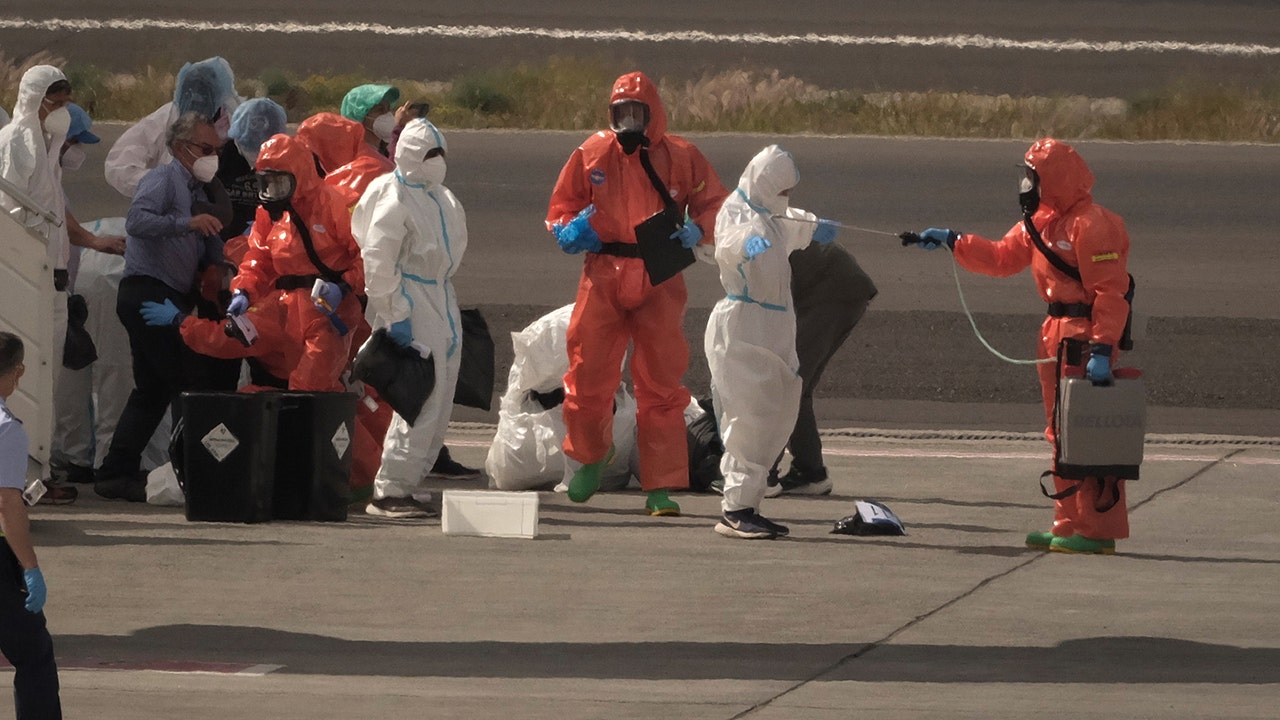
Radboud University Medical Center in Nijmegen has put a dozen staff into preventive quarantine after admitting a patient linked to a deadly hantavirus outbreak from a cruise ship, following the discovery that some blood and urine handling did not meet the highest international protocols; health authorities and international agencies are investigating as cases and deaths tied to the cruise continue to be reported. The hospital, Dutch officials and global health bodies are balancing reassurance about low public risk with the need for stricter containment and contact tracing as repatriations and monitoring roll on.
The incident unfolded after the hospital accepted a patient connected to the MV Hondius cruise ship outbreak, and staff later discovered that certain samples were processed using standard procedures rather than the most stringent rules required for this hantavirus strain. Blood and urine handling protocols for this specific pathogen are unusually strict because of how the virus can be transmitted in rare circumstances. That gap triggered immediate internal reviews and a broader public health response to make sure containment remains airtight.
“Because of these circumstances, 12 employees will go in preventive quarantine for six weeks as a precaution, despite the fact that the chance of infection is small,” the hospital said. The move is meant to protect both staff and the public and to buy time for monitoring and testing those potentially exposed. Hospital leaders emphasized the preventive nature of the quarantine even while stressing the low probability of actual transmission.
When the patient was admitted on May 7, routine lab workflows were used that turned out not to match the highest-level international disposal and processing standards for this hantavirus variant. Only later, on Saturday, did staff realize the most up-to-date regulations for disposing of a hantavirus patient’s urine had not been followed and that standard procedure had been applied instead. That realization set off the quarantine measures and a promise to trace any possible exposures rigorously.
“At Radboud Hospital in Nijmegen, strict procedures have been followed, but not the strictest procedures applicable in the case of this hantavirus,” she said. Dutch Health Minister Sophie Hermans addressed Parliament to explain the distinction and to reassure officials that the steps taken still fell within a strict safety frame. The comment was part of a broader effort to be transparent about what happened while minimizing alarm.
“Despite the fact that the chance of actual infection is very small, these measures have a major impact on all those involved. We regret that this happened in our [university medical center]. We will carefully investigate the course of events to learn from this so that it can be prevented in the future,” Bertine Lahuis, chair of the hospital’s executive board, said.
“Of course, we will ensure that the colleagues involved receive all the support they need. We have great appreciation for their commitment, and that of their colleagues, to ensure that care for the patient runs smoothly. In the meantime, our [university medical center] stands ready to admit any new patients should this be necessary.”
The hospital’s updated account marks a reversal from earlier statements that “appropriate isolation measures have been taken to prevent the spread of the virus, in accordance with internationally agreed protocols.” That earlier language is now being refined as investigators map what happened and why the stricter handling steps were missed. Authorities say that kind of recalibration is normal in fast-moving public health responses where protocols can be highly specific to the pathogen involved.
As of May 13 the World Health Organization reported 11 hantavirus cases tied to the cruise ship and three deaths, with two of the newest cases confirmed in Spain and France. Officials say the French patient became symptomatic during repatriation while the Spanish patient tested positive after returning home and currently shows no symptoms, and a third case produced mixed results with an initial positive followed by a negative test. Overall tallies list eight confirmed cases, two probable and one inconclusive, with the fatalities including two confirmed deaths and one probable death.
Global and national health teams are continuing contact tracing and monitoring passengers who disembarked in the Canary Islands and elsewhere, and the U.S. Centers for Disease Control and Prevention has deployed a team to the region to provide onsite care and speak with Americans at potential risk. The CDC has declined to disclose how many passengers are under observation, citing privacy and operational concerns. Local and international agencies say the public risk remains low but that careful follow-up is essential.
The outbreak is believed to have started when a passenger on a Dutch cruise that left Argentina on April 1 may have been exposed to infected rodents during birdwatching or shore activities before boarding. Following multiple infection reports, the ship docked in the Canary Islands on May 10 so remaining passengers and most crew could be evacuated under quarantine protocols, and repatriated travelers are recommended to self-isolate for 42 days. The vessel later sailed toward Rotterdam with a skeleton crew and two medical professionals as the international response continued and investigators worked to close gaps in protocol and communication.
