
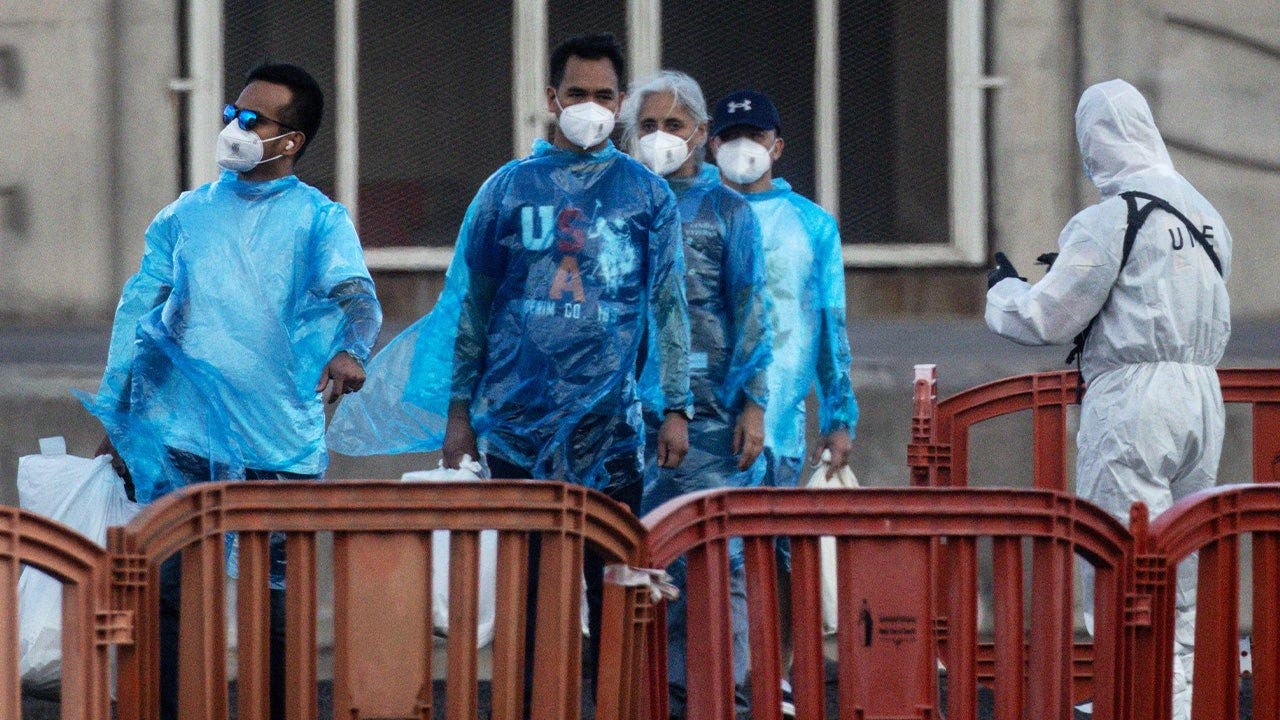
Maryland health officials are quietly monitoring two residents after possible exposure to hantavirus linked to a passenger who sailed on the MV Hondius cruise ship; the move is cautious and the immediate risk is described as very low. Officials stress privacy while tracking the incubation window and working with federal and international partners as they learn more about the situation. This piece walks through what we know about the exposure, how the virus behaves, and what symptoms to watch for without stoking alarm.
State health authorities say the two Marylanders were not on the cruise ship itself but shared a flight with a passenger who has tested positive for a hantavirus strain associated with the MV Hondius. The department is monitoring them through the full incubation period, which can extend from four to 42 days. That wide window explains the careful follow up even though officials emphasize the public threat is currently very low.
Privacy protections mean officials are not releasing personal details about the two people involved, and that restraint is intentional. When dealing with infectious disease follow up, public agencies balance transparency with the need to protect individuals who may be undergoing medical checks. Maryland’s message so far is simple: we are watching, we are coordinating, and there is no active outbreak in the state.
The particular hantavirus linked to the cruise passenger is the Andes virus, which is notable because it is the only known hantavirus with documented person to person transmission. Most hantaviruses common in the United States are spread by rodents rather than between humans. “The hantaviruses that are found throughout the United States are not known to spread between people,” the CDC said.
Hantavirus pulmonary syndrome, or HPS, begins much like the flu, with fatigue, fever, and muscle aches, then can escalate rapidly into serious breathing and heart problems. About half of people who develop HPS report headaches, dizziness, chills, and abdominal issues such as nausea, vomiting, or diarrhea early on. Because initial symptoms are easily mistaken for seasonal illnesses, health authorities pay close attention to travel histories and potential exposure events when evaluating patients.
Maryland has not recorded hantavirus cases since 2019 and officials report that Andes virus infections have never been identified within the state. That history, plus the usual rodent-linked spread of U.S. hantaviruses, contributes to why the department calls the general risk low. Still, the presence of a cruise-linked case overseas adds a layer of caution that public health teams cannot ignore.
Public health response includes routine monitoring and coordination with federal and international partners to trace contacts and confirm any potential chains of transmission. Asymptomatic people are not generally considered infectious, which limits the pool of contacts who might need heightened observation. Testing and observation protocols are designed to catch symptoms early while avoiding unnecessary alarm among the general population.
Clinicians watching for hantavirus rely on a mix of clinical signs and exposure history, especially recent travel or known contact with an infected person or rodent habitat. Given the potentially severe outcome of HPS, prompt medical attention for worsening respiratory symptoms is essential. Health systems also prepare by ensuring labs can confirm suspected cases and by alerting frontline providers to the possibility, even if the likelihood remains small.
For individuals, sensible precautions remain the best approach: avoid contact with rodents and their droppings, maintain good hygiene after travel, and seek care if flu-like symptoms progress to difficulty breathing. Authorities underline that routine daily activities do not put most people at risk. Maryland’s monitoring of these two residents is a reminder that public health surveillance works quietly in the background to catch and contain threats before they grow.
