
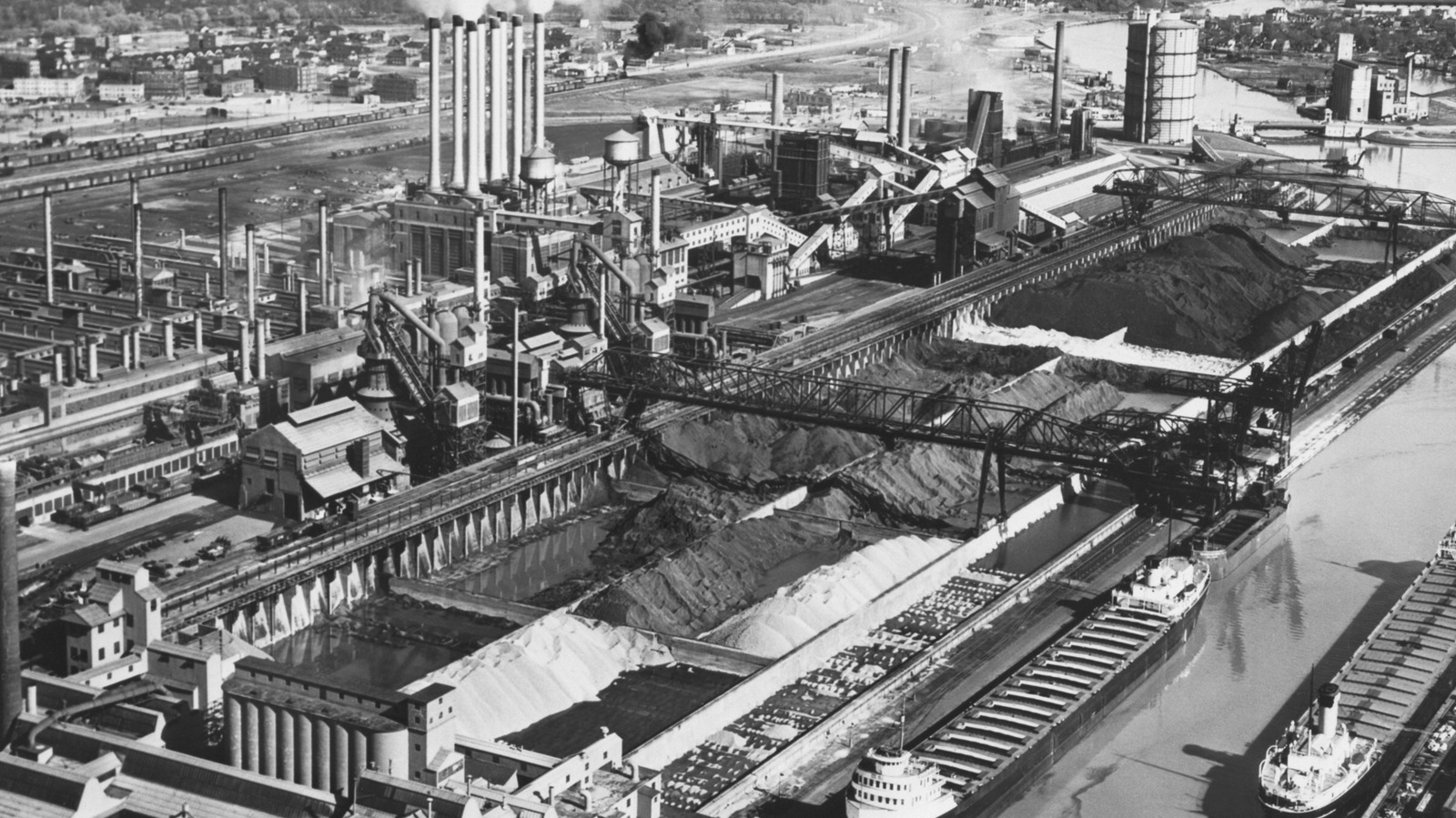
This piece traces a surprising line from a Detroit Ford auto plant to the ideas that helped shape Disneyland, showing how industrial spectacle, visitor tours, and playful presentation at a manufacturing site offered a template for family entertainment and immersive design.
At first glance, a working car factory and a theme park look nothing alike, but the Ford plant in Detroit offered more than assembly lines; it staged a public-facing experience. Visitors could watch machines and people move in choreographed sequences, and the plant presented manufacturing as a kind of theater where every station mattered. That blending of production and presentation planted seeds for spaces meant to entertain as well as operate.
The Ford facility treated visitors as an audience, not just as observers. Guided routes, vantage points, and explanatory displays turned ordinary mechanical work into something legible and compelling for the public. That idea — of designing routes that shape what guests see and feel — later became a cornerstone of theme park planning, where every turn is meant to reveal and delight.
Another link is the use of models and demonstrations to explain complex processes. The plant frequently used scaled displays and live demonstrations to make industrial processes accessible to families and school groups. Disneyland would adapt that approach with scaled attractions, animatronics, and simplified narratives that let guests grasp an idea quickly and enjoyably.
Beyond displays, the plant experimented with how people move through space. Clear pedestrian paths, elevated walkways, and viewing platforms helped visitors follow the flow of production while staying safe and engaged. Theme parks borrowed the same principles, refining queues, sightlines, and circulation to control pacing and build anticipation before a ride.
Design control was another common thread. At the Ford site, managers curated what visitors could see and the order in which they saw it, smoothing rough edges and highlighting efficiency and craft. That editorial mindset is familiar in theme parks, where designers sculpt every visual and auditory cue to support a coherent story and a consistent mood.
The plant also treated brand and narrative as inseparable from experience. Vehicles rolled out as living examples of engineering promises, and signage and personnel guided interpretation. Disneyland expanded this by turning brand and story into immersive environments, where entire lands are built as coherent, walkable narratives rather than discrete product displays.
Staff presence and performance mattered in both places. Factory ambassadors and tour guides explained complexity with rehearsed clarity; in parks, cast members embody roles that keep guests inside the imagined world. That human element reinforces the crafted experience, turning passive observation into interactive engagement.
It is important to avoid claiming a one-to-one blueprint; Disneyland did not spring solely from a factory tour. Instead, the Ford plant illustrates a cluster of practical ideas — staging, controlled sightlines, interpretive demonstration, circulation design, and performative staff — that together formed a useful template. Those elements migrated from industrial showmanship into entertainment design, reshaped by storytelling and imagination.
Looking at this Detroit plant offers a fresh angle on creative cross-pollination: innovation rarely appears in a vacuum, and sometimes the best inspirations come from unexpected workshops. From conveyors to character-driven experiences, the bridge between manufacturing spectacle and family amusement helps explain how designers moved from explaining how things work to crafting entire worlds people want to visit.
