
The rise of cheap, ubiquitous drones is a clear national security problem that demands fast, no-nonsense action: civilian chaos at wildfires, probes over military bases, and the looming threat to critical infrastructure show we cannot treat this as a hobbyist nuisance. This piece lays out why the danger is real, praises sensible steps taken by the FAA and Transportation Secretary, and presses for a coherent civil-military response backed by Congress. The stakes are basic: protect the skies, protect facilities, and make sure anyone who threatens Americans faces consequences. Time is not on our side.
There are about 220,000 commercial aircraft in the United States, but consumer drones are multiplying at a staggering rate and changing the picture of our airspace. The FAA expects millions of drones in the next few years, and that flood will collide with public safety and national security unless we set clear rules now. Treating drones like toys while they get smarter and cheaper is dangerously naive.
Last summer a wildfire response in Provo Canyon was interrupted when private drones hovered over the scene, forcing firefighting aircraft to hold back while fires spread. That was not an isolated problem; there were hundreds of drone sightings over wildfires in 2025, creating real-world delays and risks for first responders. When drones block emergency airspace, lives and property are at stake.
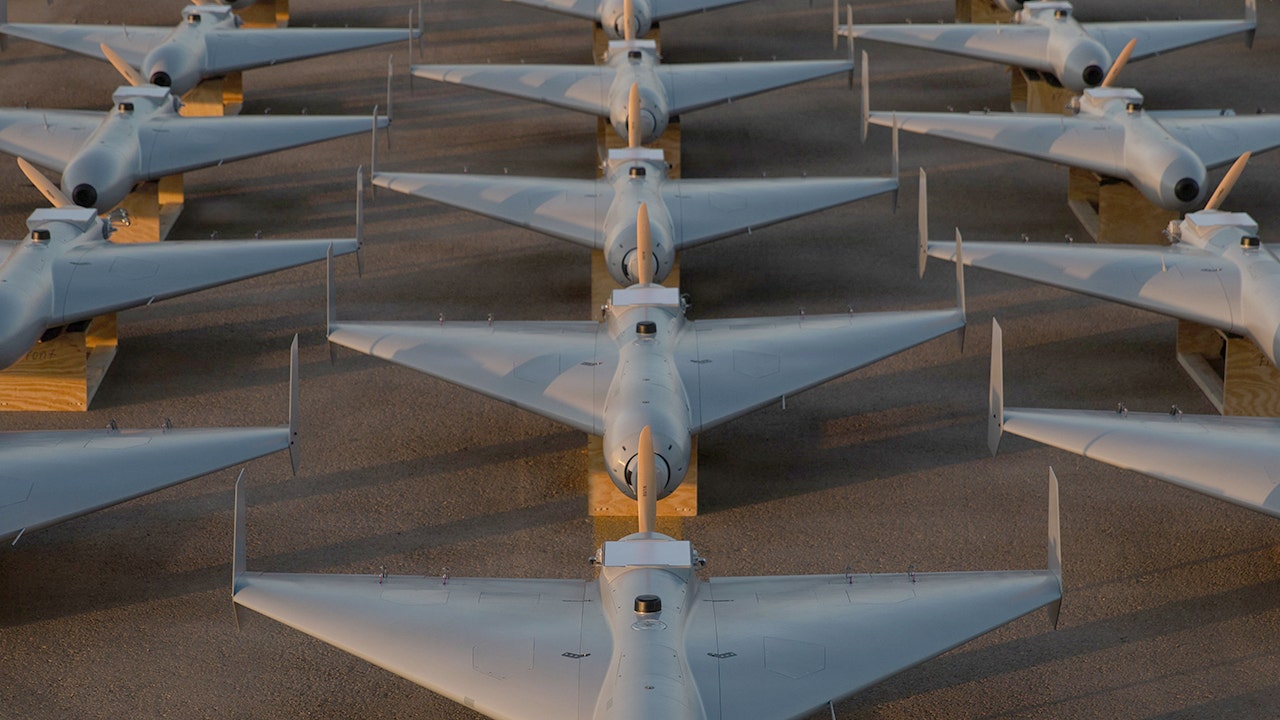
Cheap, loosely regulated drones are also a national security problem on American soil. They can harass military bases, surveil officials and private citizens, threaten aircraft, and carry weapons capable of striking vital targets. This is not theory. It is happening now, and it calls for decisive leadership rather than excuses.
As recently as March 2026 multiple waves of drones were detected over Barksdale Air Force Base, which hosts nuclear-capable bombers. Those intruders showed advanced features like jamming resistance and long-range control links, and similar probes have targeted other sensitive facilities. These incursions prove hostile actors can exploit affordable tech to probe and degrade our defenses.
BRETT VELICOVICH: ‘MYSTERY’ DRONES ARE NO MYSTERY, THEY ARE A DANGEROUS THREAT TO NATIONAL SECURITY This blunt truth should be the starting point for policy, not an anxious sidebar. Recognizing the problem is one thing; moving resources and authorities to stop it is another.
Transportation Secretary Sean Duffy and the FAA have taken a constructive step with a proposed rule to shield critical infrastructure like power plants and water systems from unauthorized drone activity. That proposal is the kind of proactive thinking we need from executive agencies to create legal tools for protection. It deserves bipartisan support and swift implementation.
Yet Congress has been slow and sometimes obstructive, while partisan games leave agencies underfunded or in limbo. Democrats have repeatedly cut resources and delayed clear authority for homeland protection, weakening the federal response at a time we need unity. National security cannot be a political convenience; it must be a consensus priority.
We need a unified national plan that includes simple, enforceable airspace rules, robust funding for detection and mitigation systems, and seamless civil-military coordination. Good actors will follow rules; bad actors will not. Our response must include clear lines of authority and the tools to enforce them against both domestic lawbreakers and foreign threats.
SCHUMER SEEKS LEGISLATION GIVING LOCAL OFFICIALS AUTHORITY TO ‘SWIFTLY’ RESPOND TO DRONE SIGHTINGS Local officials should have the tools to act, but Congress must define those tools and the limits on their use. Without a national framework, we risk a patchwork of conflicting local rules that create legal confusion and slow responses when every minute counts.
Who coordinates the defense when a drone threatens critical sites or interferes with emergency operations? Is it 911, the FAA, the sheriff, or a federal counter-drone team? People need clear answers and a clear number to call. Vague jurisdiction is the enemy of fast, lawful action.
Enforcement is as important as rules. We must invest in detection, non-lethal mitigation tech, and hardened protections for vital infrastructure like nuclear plants, dams, and energy grids. If foreign adversaries or criminal networks can project force with cheap drones, we need to out-invest and out-organize them now rather than after a catastrophe.
Our airspace is about to get far busier with delivery drones, medical resupply, and entertainment displays. That innovation is good, but it increases risk. We should enable safe, commercial drone use while protecting citizens, responders, and national assets from malicious misuse. Leadership and clear laws will make that possible.
