
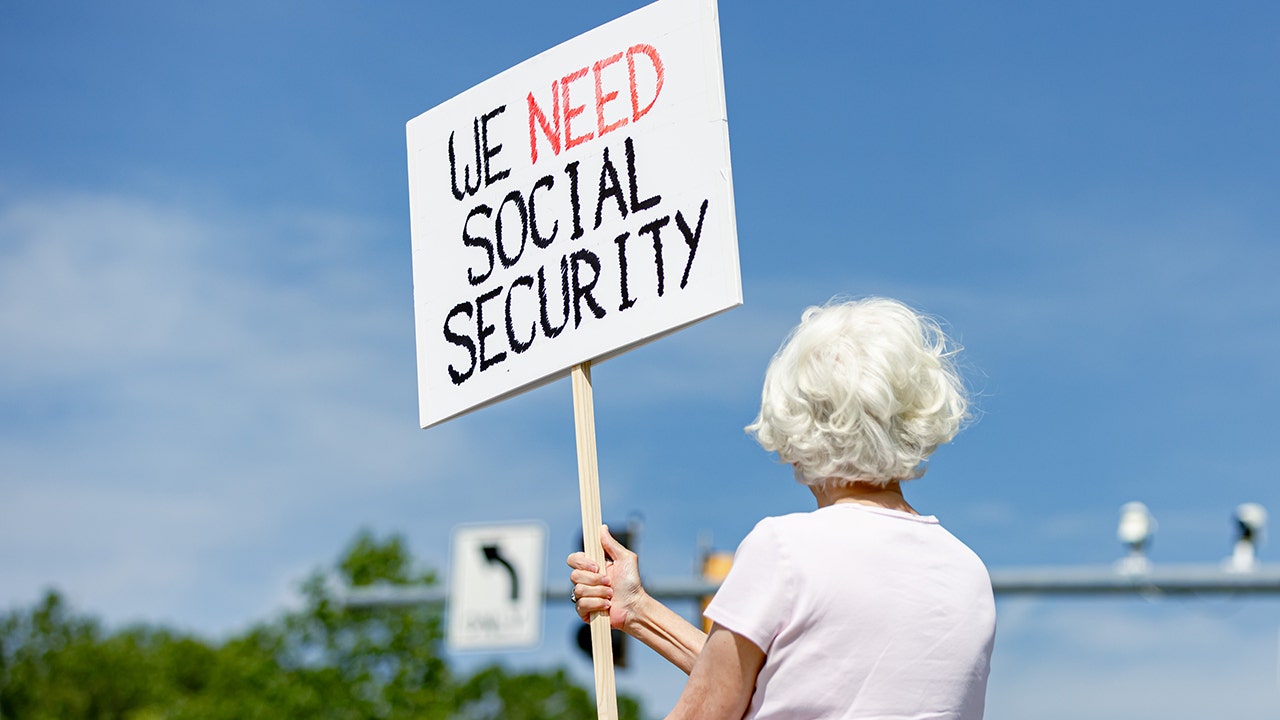
George Kamel is pushing back on the idea that Americans need to sprint to Social Security at 62 just because headlines keep shouting about a looming trust fund problem. His message is blunt: fear is a terrible retirement strategy, and claiming early can lock in a smaller benefit for life. The better move, he says, is to look at the real math, the real risks, and the real needs of your own household.
The panic centers on the projected depletion of the Social Security Old-Age and Survivors Insurance Trust Fund in 2032, which has sparked a wave of online advice telling people to file as soon as possible. Kamel says that kind of reaction is overblown and built on half the story. He compares it to a crowd rush, where everybody assumes the shelves are about to be empty even when the situation is more complicated than that.
His main point is that depletion does not mean disappearance. Even in a rough scenario, the system would still collect payroll taxes and continue paying benefits, though possibly at a reduced level if lawmakers do nothing. That is a serious issue, but it is not the same thing as the program vanishing overnight.
That distinction matters because early claiming can be expensive. Social Security treats full retirement age, currently 67 for many workers, as the 100% baseline, and taking benefits at 62 can mean a permanent cut of about 30%. On the flip side, waiting until 70 can raise monthly payments by roughly 24%, which is why Kamel says the decision should not be driven by panic alone.
He also rejects the idea that there is some perfect age that works for everyone. Health, family history, income, and whether someone actually needs the check all matter a lot more than a catchy rule of thumb. Kamel argues that a person in poor health may not benefit from waiting, while someone with stronger savings might have room to delay and boost the monthly payout.
His view lines up with the broader warning that Social Security should not become the only pillar holding up a retirement plan. If someone is forced to claim at 62 because they are underwater financially, that points to a bigger problem than timing alone. If someone can wait until 70, that usually means they have other resources or income sources already in place.
There is also a political side to the story, and Kamel thinks Washington is far more likely to patch the system than let it crash. He points to the 1983 reforms as an example of lawmakers using smaller adjustments rather than one dramatic fix. In his view, the same pattern could show up again through changes to taxes, the retirement age, or cost-of-living adjustments.
That does not mean the system is painless or problem-free. It just means doom talking often gets ahead of reality, and that can push people into bad choices before they have to make them. Kamel says the smarter path is to stay calm, understand the numbers, and avoid making a lifelong decision because of one scary headline.
He keeps coming back to a simple idea: retirement security is built, not wished into existence. A government check can be part of the plan, but it should not be the whole plan. If someone wants more control later in life, the work starts long before the first Social Security payment ever hits the account.
That is why the debate over when to claim is really a debate about preparation, patience, and personal responsibility. People who have saved, invested, and kept debt in check have far more freedom when the decision arrives. Those who have not may be forced into a rushed choice, and that is exactly the kind of trap Kamel wants people to avoid.
For him, the fear around 2032 is less useful than the habits people can build right now. Save more, reduce dependence on a single income source, and think beyond the next headline. In his words, the government is not the best shot at a great retirement, and the people who recognize that early tend to have more options when the time comes.
