
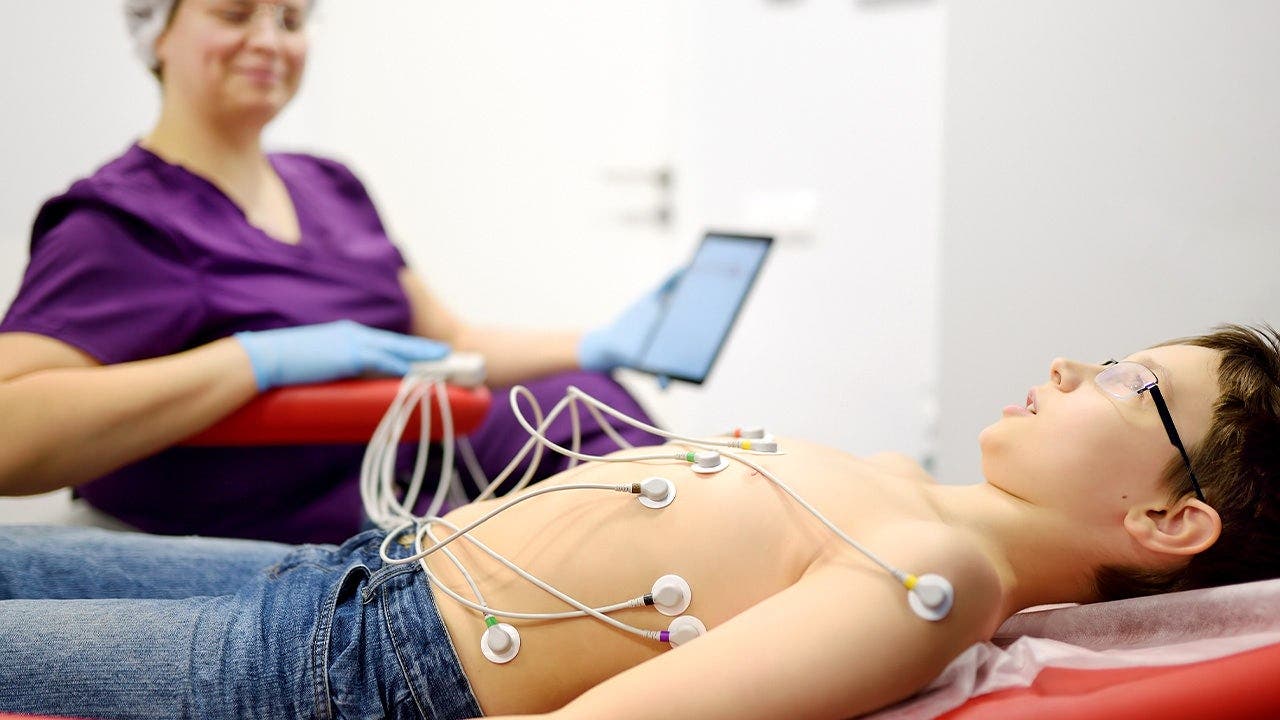
Cameron Crider looked like the picture of a healthy teen athlete, logging long football and basketball practices without a hint of trouble. Then a required heart screening turned up a hidden defect that had never shown itself, putting a sharp spotlight on the debate over how student athletes should be checked before they hit the field.
Crider, a sophomore at Calvary Christian High School in Clearwater, only learned he had an atrial septal defect after Florida’s Second Chance Act kicked in ahead of the 2026-2027 school year. The law requires high school students to have at least one ECG screening the first time they try out for or join interscholastic sports, with some exceptions.
An ECG, also known as an EKG, is a quick and noninvasive test that reads the heart’s electrical activity. It can pick up irregular rhythms and other warning signs that regular sports checks might never catch.
That is exactly what happened in Crider’s case. He had played sports his whole life and never felt off, even during back-to-back sessions that would leave plenty of kids drained, but the screening revealed a congenital hole between the heart’s upper chambers.
Left untreated, a significant atrial septal defect can put extra strain on the heart and lungs over time. That can eventually lead to serious problems like pulmonary hypertension, heart failure or even stroke, which makes early detection especially important.
His mother said the news came as a total shock because there had been no warning signs at all. She described the screening as a blessing because the family got answers in a doctor’s office instead of learning about the problem after a tragedy.
The timing matters because many young athletes who suffer sudden cardiac arrest never get a heads-up from their bodies first. Experts say as many as 80% show no symptoms before collapse, which is one reason hidden heart problems keep raising alarm in youth sports.
Physical exertion adds stress to the heart, and that stress can turn an unseen condition into a dangerous one. The risk is not limited to sudden cardiac arrest either, since some heart defects can lead to ongoing complications that affect safe participation in sports.
There is still disagreement over whether every student athlete should get mandatory ECG screening. The American Heart Association says a careful medical history and physical exam should be the starting point, with follow-up tests ordered when something looks suspicious.
That layered approach is designed to catch serious problems without turning every child into a complex case. When a history or exam raises concerns, doctors can move to more targeted testing, including an ECG, echocardiogram, heart monitor or advanced imaging.
Still, some specialists argue that an ECG can dramatically improve the odds of spotting dangerous conditions early. When the test is interpreted correctly, it can reveal many of the heart issues linked to sudden cardiac arrest in young people, far more than a standard sports physical alone.
Crider’s situation is a reminder that health and performance do not always tell the same story. A student can look strong, train hard and keep up with everyone else while carrying a problem that only shows up when the heart is actually examined.
That is why symptoms like chest pain, fainting or a racing heartbeat should never be shrugged off. Family history also matters, especially when genetic heart conditions or sudden cardiac arrest have already touched a household, because those clues can help guide the next step before sports season gets rolling.
Crider is scheduled for surgery in October, and doctors expect him to return to sports next season. For his family, the biggest shift has already happened, because the screening changed a silent risk into something visible, named and treated before it had a chance to become something far worse.
