
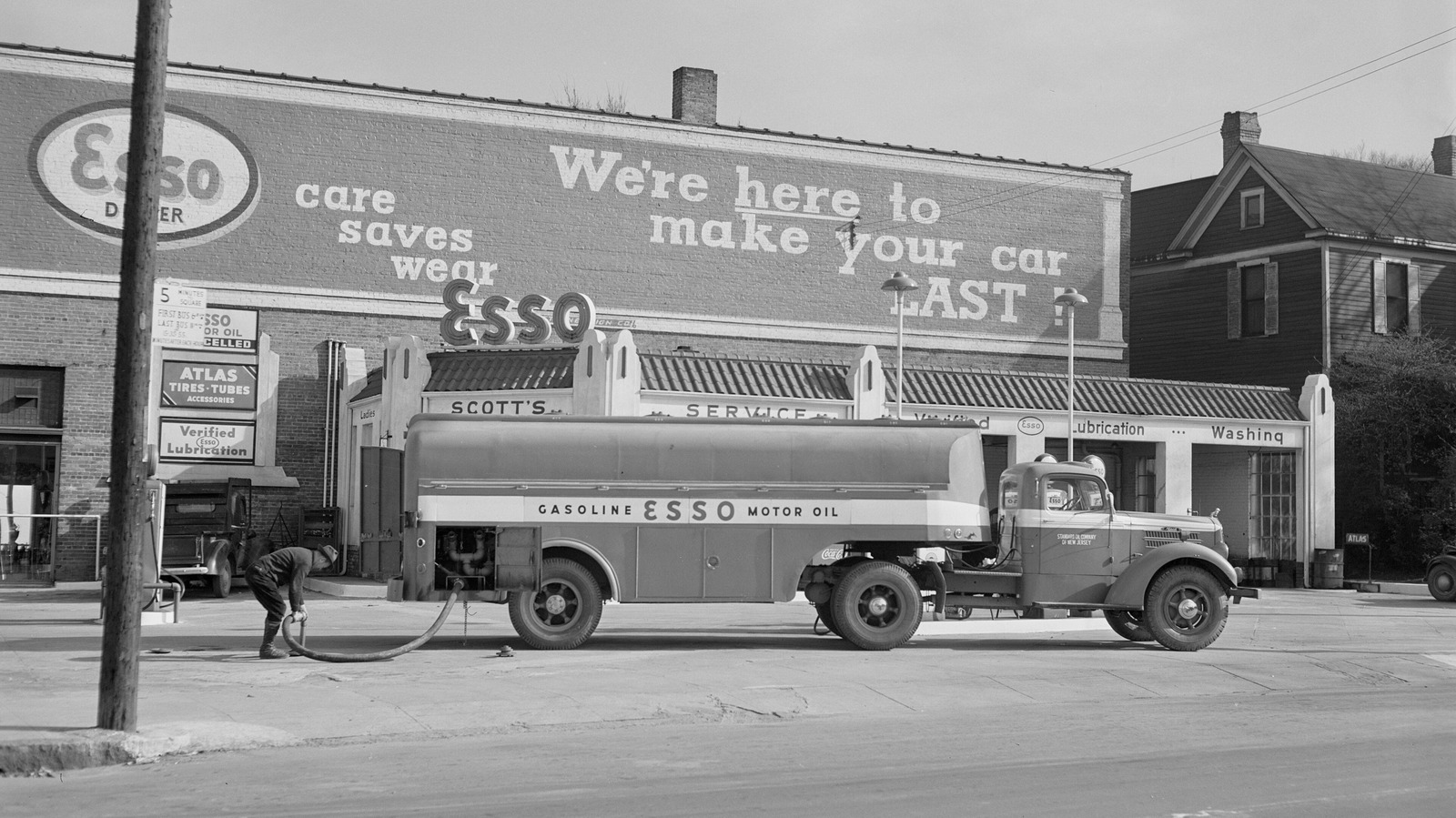
I’ll cut to the chase: this piece looks at the common warning about not pumping gas while a fuel tanker is unloading, explains the real risks and safety systems involved, clears up common misconceptions, and gives practical, sensible advice for drivers and station operators.
There is a persistent idea that filling your car while a tanker is topping up the station tanks is asking for trouble. At a glance that sounds reasonable because both activities involve fuel and vapors in the same place. But the actual risk picture is more nuanced and depends on how fueling systems are designed and operated.
The main danger people worry about is ignition from a spark hitting gasoline vapors. Gasoline vapors are flammable, and under the right conditions a spark can ignite them. Modern gas stations are built with that risk in mind, using equipment and procedures to limit the chance of a spark meeting a vapor cloud.
Tanker trucks unload into underground storage tanks through sealed hoses and vapor recovery systems that reduce vapor escape. Valves and seals are designed to keep liquid and vapor contained, and the pumps have grounding and bonding features to prevent static buildup. When everything is working as intended, the chance of a flammable vapor cloud forming above an open pump is extremely low.
Static electricity does create the most headline-grabbing warnings, like the advice to avoid getting back into your car during fueling. Static can build up on your body or clothing and deliver a spark when you touch the pump nozzle. That scenario is possible, but it is uncommon, and simple precautions virtually eliminate the hazard.
Common sense steps work: stay at the pump while fueling, touch metal to discharge any static before you grab the nozzle, and follow any posted instructions. Avoid using electronic devices that might distract you and prevent you from noticing a spill or a pump malfunction. Those behaviors are sensible whether a tanker is present or not.
Regulations and industry practice typically require stations to stop customer fueling in the immediate area during tanker unloads for added safety. Many stations will close a few dispensers or post attendants at the pumps while a truck is offloading. That restriction is about reducing traffic and human error around heavy equipment more than it is about an imminent fire hazard.
It also helps to know how rare fueling fires actually are. Incidents do occur, usually tied to operator error, fuel spills, or improper maintenance, rather than a customer quietly pumping gas while a delivery happens. Gasoline incidents attract attention, which makes people overestimate their frequency compared with routine, uneventful fueling.
If you see a tanker on site, follow any directions from station staff and respect safety cones or closed pumps. If you notice fuel pooling, a strong smell of vapor, or visible equipment damage, move a safe distance away and call the station attendant or emergency services. Those are the moments that truly warrant concern, not the mere presence of a delivery truck.
For station operators, routine inspections and staff training are where meaningful risk reduction happens. Keeping hoses and seals in good shape, using approved vapor recovery and grounding systems, and training attendants to manage deliveries and customer traffic all cut risk drastically. Customers benefit most when staff enforce straightforward safety rules consistently.
So should you race to fill up if a tanker is unloading? You do not need to panic, but you also do not need to be reckless. Treat the situation like any other fueling stop: follow posted guidance, stay attentive, avoid unnecessary movements that could generate static, and heed station staff. Those simple actions keep things safe and keep fueling routine and uneventful.
