
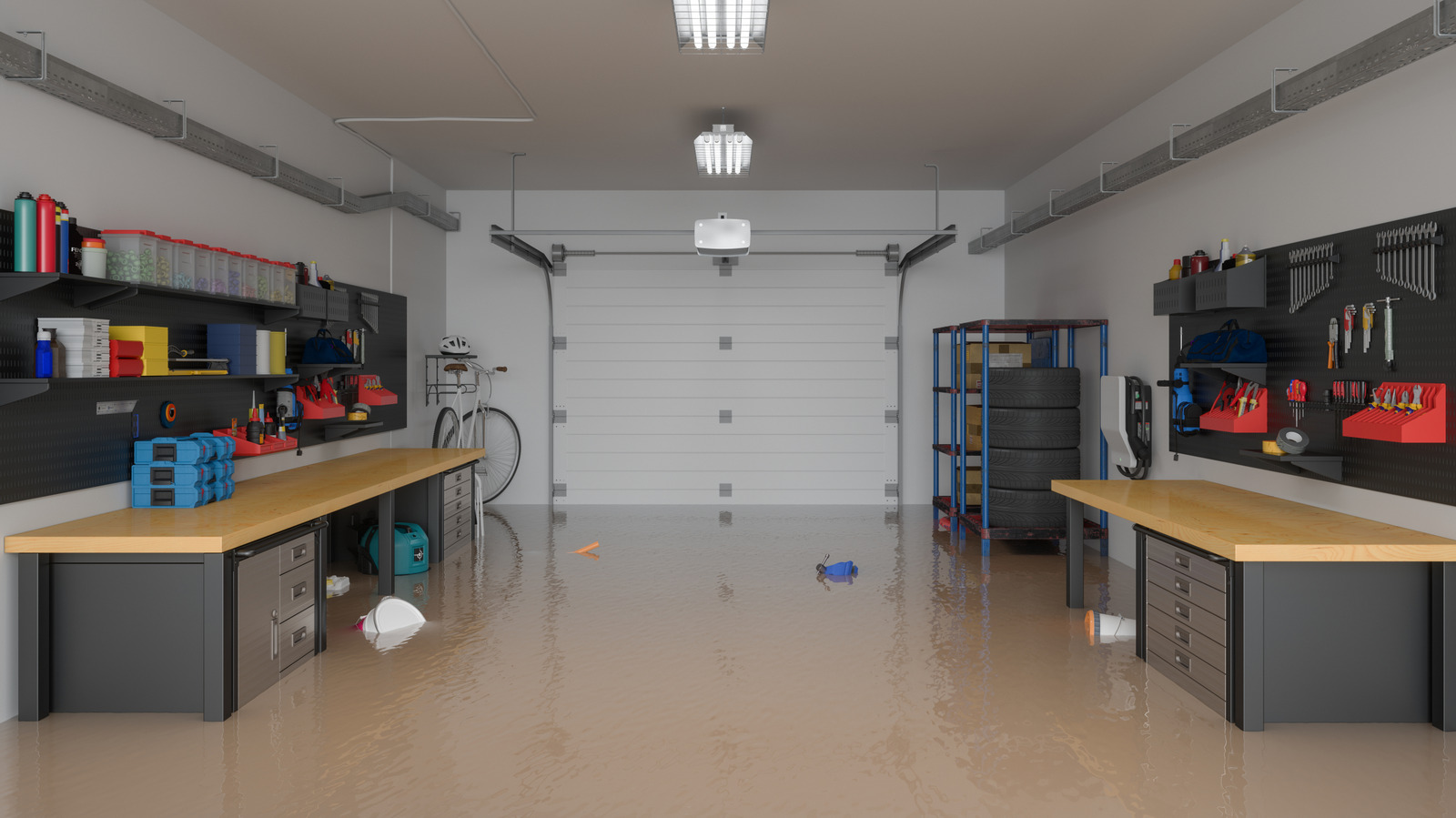
If water keeps creeping into your garage, this piece walks you through why it matters and what actually works to stop it. You’ll get clear, practical steps for immediate safety, smart fixes that last, and tips to protect tools, wiring, and vehicles without wasting money. The tone is straightforward and practical so you can take action today.
A flooded garage does more than leave a mess; it destroys value. Persistent moisture wrecks tool motors, corrodes metal, spoils soft goods, and creates conditions that short out electrical outlets and panels. Vehicles parked inside face rust, soaked carpets, and damaged electronics, so the problem is both costly and dangerous.
Most garage flooding comes from a few repeat offenders: poor yard grading, clogged gutters, a low garage floor relative to the driveway, or water sneaking in under the door. Indoor plumbing leaks and a failing foundation can also be the culprit. Pinpointing how water gets in is the first step toward a solution that lasts.
If you find water in the garage right now, prioritize safety. Turn off power to the affected areas at the breaker box before stepping into standing water, and avoid touching electrical devices until a pro clears them. Remove valuables and tools to a dry place, and take time-stamped photos to document the damage for repairs or insurance.
Short-term fixes can limit damage while you plan for a permanent repair. A heavy-duty wet vacuum and floor squeegee get water out fast, and sandbags or temporary thresholds can stop more water from coming in during a storm. A portable sump pump can keep things dry overnight, but these are band-aids unless you fix the underlying source.
Long-term repairs focus on moving water away from the garage rather than trying to keep it out at the last line of defense. Regrading the yard to slope away from the foundation, extending downspouts, and installing a French drain or trench drain across the driveway all redirect runoff. Sealing foundation cracks and upgrading the garage door’s bottom seal create a cleaner barrier, and a subfloor drainage system or permanent sump pump handles groundwater on repeat offenders.
Electrical systems and vehicles deserve special attention after a flood. Get a licensed electrician to inspect outlets, switches, and any equipment that was submerged before you restore power. Don’t try to start a soaked vehicle; electronics and water don’t mix and can cause expensive failures or safety hazards, so consult a mechanic first.
Think about storage and materials while repairing the space. Keep frequently used tools up off the floor on shelves or pegboards and store small items in sealable bins. Consider replacing porous wallboard or carpeting with water-resistant wall panels and epoxy-coated floors that tolerate moisture and are easier to clean after an incident.
Finally, weigh insurance and budget choices early. Check your homeowner’s policy for coverage details and keep receipts and photos of any water damage or repairs. Decide what you can safely DIY — like cleaning drains and replacing seals — and when to hire pros for grading, drainage installations, or electrical and vehicle work to avoid repeat disasters.
