
This piece looks at how wind turbines stack up against a single nuclear power plant, laying out the math, the practical tradeoffs, and the real-world challenges of replacing steady nuclear output with wind-generated electricity.
People generate electricity in lots of ways, and wind turbines are one of the most visible. A typical modern nuclear reactor delivers roughly 1,000 megawatts of continuous power, give or take, and that steady baseline is the benchmark many renewables have to match.
Wind turbines are rated by peak capacity, say 2 to 4 megawatts for many onshore models and 8 to 12 megawatts for big offshore machines. That number is not what you get all the time; actual output depends on the capacity factor, which is driven by wind availability and turbine siting.
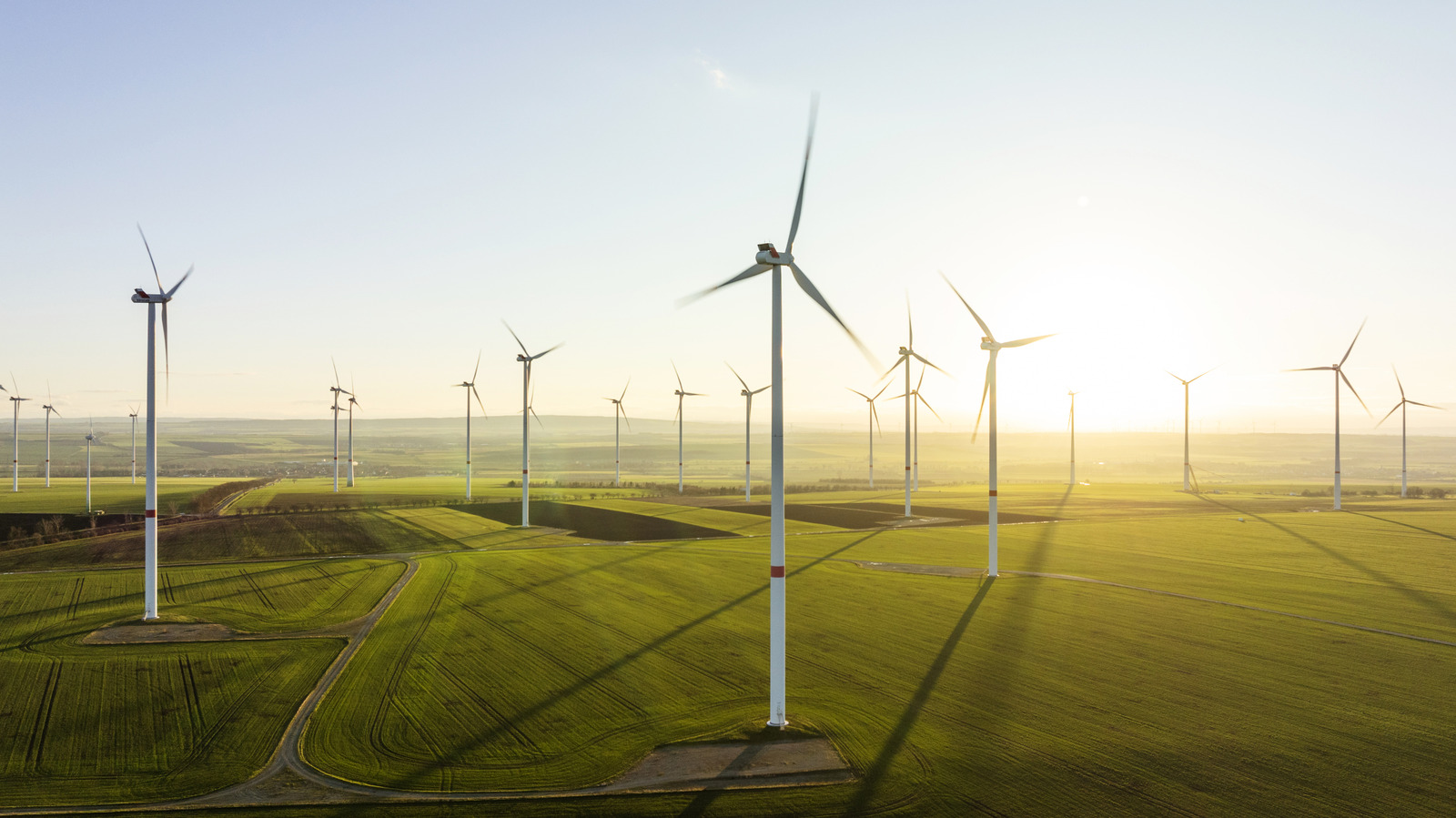
Onshore turbines typically operate at a 25 to 40 percent capacity factor, so a 3 megawatt turbine might average around one megawatt of delivery over time. To replace a 1,000 megawatt nuclear plant with those turbines you need on the order of a thousand machines, because 1,000 times one megawatt equals the reactor’s approximate continuous output.
Move offshore and the math shifts. Offshore turbines often have capacity factors closer to 40 to 60 percent and bigger nameplate capacities, so a 10 megawatt offshore machine running at 50 percent averages five megawatts. In that case you might need a few hundred turbines rather than a thousand to match the same steady power level.
Numbers alone don’t tell the whole story. Nuclear plants generate power around the clock, while wind is intermittent, fluctuating by the hour and by season. That variability means that replacing nuclear with wind usually requires extra capacity, storage, or backup generation to keep the lights on reliably.
Battery storage helps smooth short-term dips but gets costly at grid scale for long-duration needs. A wind-heavy system aimed at replacing nuclear baseload would need substantial investment in grid-scale batteries, pumped hydro, long-duration storage technologies, or firming power plants that can run on gas or other fuels.
Land and sea footprint matter too. A thousand onshore turbines spread across a region require space and transmission upgrades to move power to demand centers. Offshore arrays concentrate generation but come with higher construction and maintenance prices and marine permitting hurdles.
There are also supply-chain and material realities. Turbines need steel, concrete, and rare-earth elements for generators and electronics, while nuclear plants demand heavy engineering and long lead-time components. Building hundreds or thousands of turbines in a short span strains manufacturing capacity and logistics.
Environmental tradeoffs deserve attention. Wind reduces carbon emissions and avoids the thermal pollution of many conventional plants, but it can affect birds, bats, and local ecosystems, and offshore deployments require careful consideration of marine life. Nuclear has a small land footprint and low operational emissions but brings waste management and decommissioning challenges.
Cost comparisons shift with assumptions. Overnight capital costs, financing, operations, and system integration for wind plus storage versus nuclear give different answers depending on project location and policy incentives. In many regions, wind is competitive on a levelized-cost basis, but full system costs to replace firm nuclear output can change that equation.
Practically speaking, replacing a single 1,000 megawatt nuclear plant with wind is not just a matter of counting turbines. You must account for capacity factors, grid upgrades, storage or backup power, supply chains, and environmental impacts, which all add time and money to the conversion.
For planners and communities weighing options, a blended approach often makes more sense: combine wind with solar, targeted storage, demand response, and some dispatchable capacity to preserve reliability. That mix recognizes wind’s strengths while covering gaps that a single technology can’t fill on its own.
