
This piece points straight to the place in the United States with the highest posted speed limit and walks through how that came to be, what it means for drivers, how it stacks up against other fast roads around the world, and why speed limits still come down to design, enforcement, and common sense.
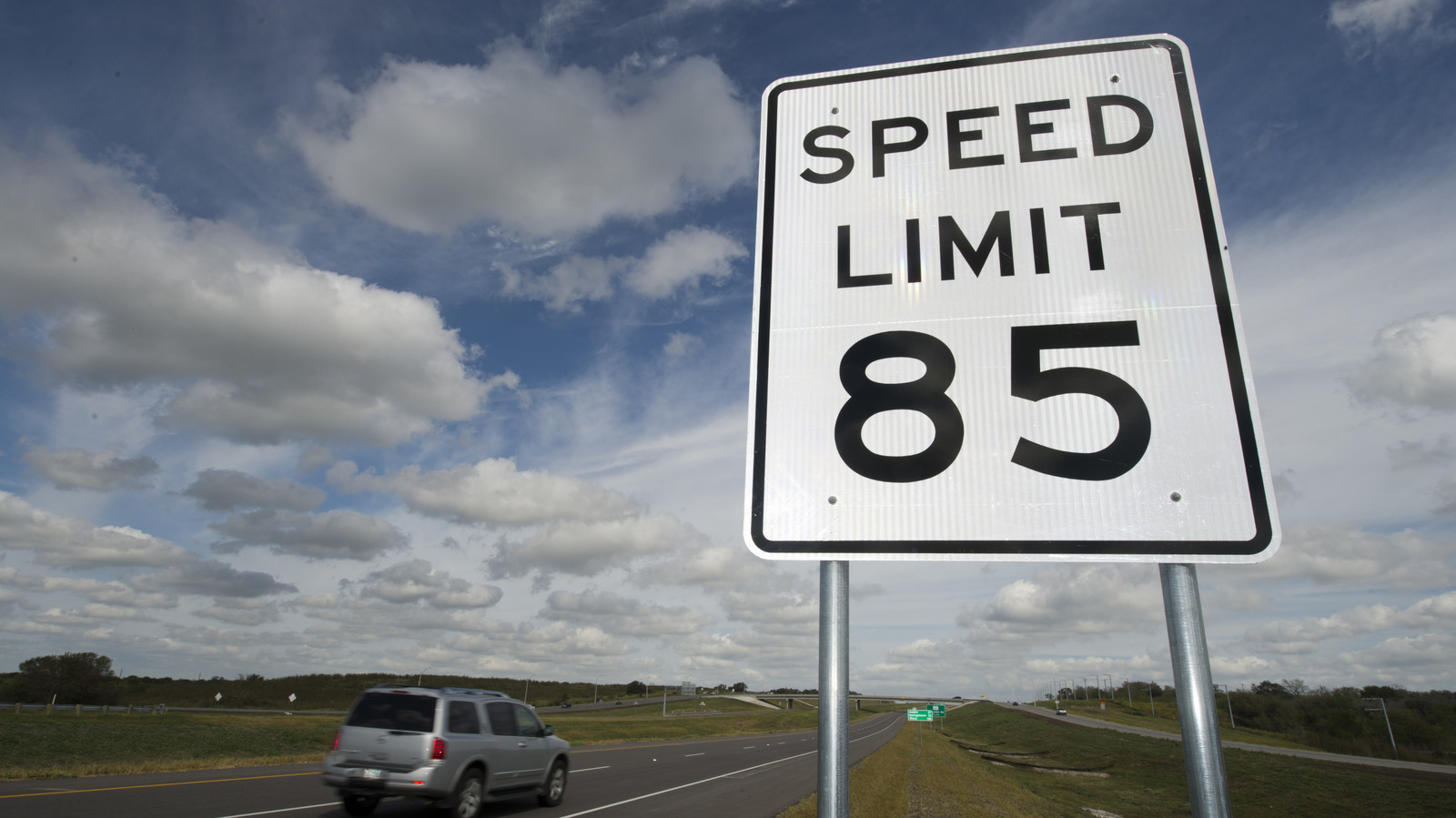
If you’ve driven on wide, fast new highways you know signs in the 70s or 80s are becoming normal in parts of the country. One road, however, stands out above the rest: State Highway 130 east of Austin, Texas, where an 85 mph limit was posted on a specific stretch. That number grabbed headlines because it pushed the practical ceiling on American posted speeds into new territory.
State Highway 130 is a modern, limited-access toll road built to move traffic around the Austin metro area and relieve pressure on older routes. The most talked-about segment was engineered for high-speed travel, with long sight lines, wide lanes, and few at-grade crossings. On that basis, Texas regulators felt comfortable posting a faster limit than most other U.S. highways.
Putting up an 85 mph sign didn’t happen in a vacuum; it followed engineering reviews and legislative changes that let Texas set higher maximums on certain rural, high-quality alignments. Advocates argued the faster limit reflected the actual safe operating speeds drivers were already using and promised smoother traffic flow. Critics warned it could encourage riskier driving and pointed to the need for robust enforcement.
Speed limits are, at their heart, a balance between road design and human behavior. Engineers set speeds based on geometry, sight distance, and crash history, while officials must factor in how people actually drive and how police can enforce the law. A road built for high speeds may safely handle them under ideal conditions, but weather, construction, and heavy traffic change that calculus instantly.
Safety research on higher limits is mixed and often depends on context. Some analyses find small increases in fatal crash rates where posted speeds rise, while other studies suggest that if the road is designed for the faster pace and enforcement is consistent, serious problems can be mitigated. The bottom line is that posted speed and safe speed are not always the same thing; situational awareness matters more than a number on a sign.
Beyond Texas, a handful of U.S. highways touch 80 mph in rural pockets, but 85 mph remains unusual. Internationally, the conversation is different: Germany’s autobahns famously have stretches without a general speed limit, relying instead on design standards and driver behavior to set the pace. That freedom works for some systems but would be a major policy shift for most U.S. jurisdictions.
There are practical reasons states consider higher posted speeds. Faster limits can shorten trips, support regional commerce, and reflect newer highway engineering standards. On the flip side, fuel use and emissions rise with speed, and the forces involved in crashes grow sharply as velocity climbs. Those trade-offs inform the debate every time a legislature or transportation agency looks at speed policy.
For drivers, the simple rules still apply: watch the posted signs, adjust to conditions, and remember the posted limit is the maximum allowed, not always the smartest speed to choose. Rain, fog, heavy trucks, and construction mean sensible drivers drop their speed well below the sign. Enforcement tools like radar and automated cameras exist on many corridors, and penalties can be steep if officers decide the driving is unsafe.
Local context also shapes public opinion. In rural counties where long, straight highways dominate, residents often favor higher limits for convenience and efficiency. Urban and suburban areas tend to prioritize lower limits to protect pedestrians and cyclists and to manage intersection conflicts. That tension shows why speed policy rarely satisfies everyone.
Technological changes are nudging the issue, too. As vehicles add driver assistance systems, the ability to maintain a steady, safe speed improves for many drivers. Yet no automated system replaces human judgment in complex conditions, and higher posted speeds increase the consequences when things go wrong. Policymakers must weigh future vehicle capabilities against current road realities.
If you’re curious enough to chase the highest posted speed you’ll find it on that segment in Texas, but the practical takeaway is simple: speed limits tell you what’s legal, not always what’s smart. Roads, weather, and traffic change by the mile, and driving with your brain engaged will save you far more than chasing the top number on a sign.
