
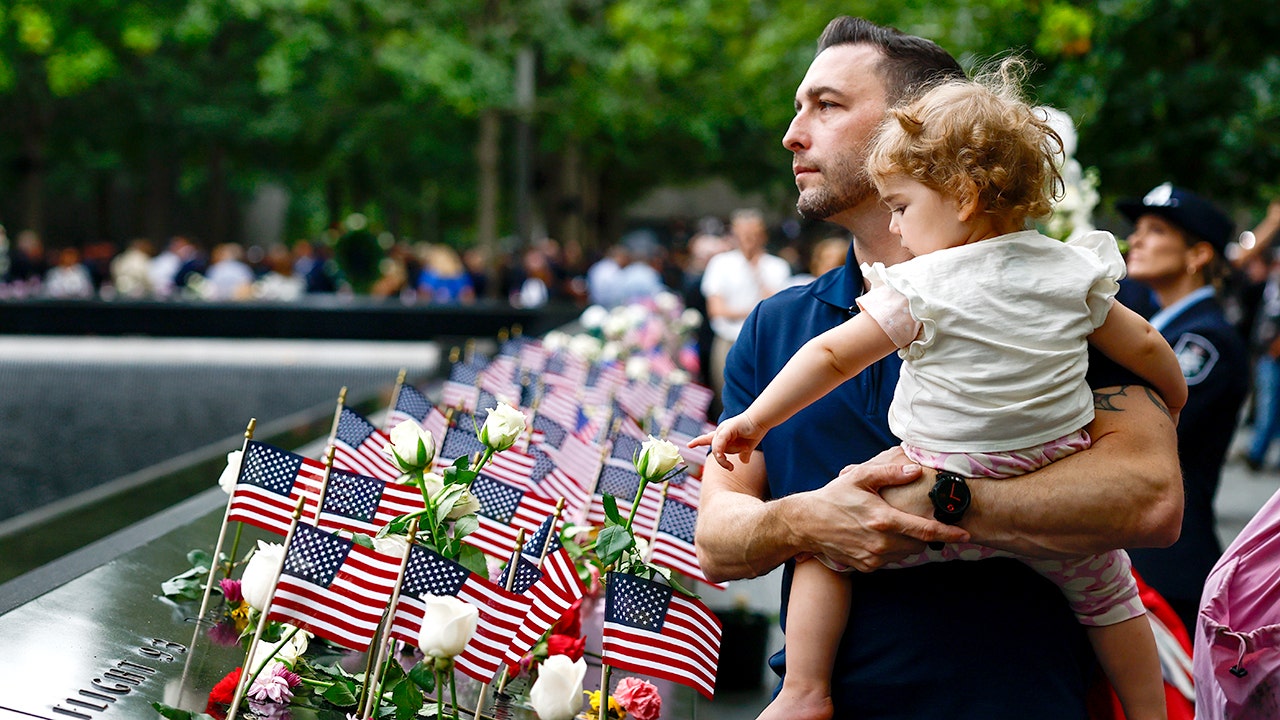
The old promise to “Never Forget” is entering a new phase, one shaped less by memory and more by teaching. At the Pentagon, a long-awaited visitor education center is moving ahead because millions of Americans now know 9/11 only as history, not as a day they lived through.
That shift matters because time does not soften the need for clarity. It actually raises the stakes, especially when the youngest adults in the country have no personal recollection of the attacks and need more than a name, a date, or a headline to understand what happened.
The Pentagon remains the only 9/11 attack site without a dedicated museum or education center, and that gap has become harder to ignore. Breaking ground on the new center is a big step toward giving visitors a place to connect the facts with the human cost.
Joseph Kornhoff, who leads the Pentagon Memorial Fund, says the challenge is straightforward: too many Americans have no firsthand link to that day. Without that link, the memories that shaped an entire generation can start to fade into abstraction.
The point of the new center is not just to display information, but to make the story feel real. That means helping visitors understand the scale of the attack, the people who were lost, and the emergency response that followed in the minutes and hours after the plane hit the Pentagon.
The emotional side of this effort is hard to miss. The Pentagon Memorial already carries a heavy presence, and the planned education center is meant to add depth, giving the site a fuller way to tell the story of the victims, the first responders, and the military and civilian workers who were inside the building.
New York has been wrestling with the same problem for years. At the National September 11 Memorial & Museum, leaders have been watching the line between lived memory and public history move steadily forward as more visitors arrive with no memory of the attacks at all.
Beth Hillman has pointed out that the annual call to “Never Forget” matters even more now, not less. When 100 million Americans were not alive yet or were too young to remember, the burden shifts from remembrance alone to education that sticks.
Noah Rauch has described that transition as a growing divide between people who remember and people who do not. It is a simple idea, but it lands with force, because every year that passes makes the attacks feel both closer in history and farther from everyday experience.
That distance opens the door for nonsense online. False stories, wild conspiracy theories, and ugly claims about what happened on 9/11 can spread fast when younger people are learning the story from screens instead of from memory, families, or trusted institutions.
Kornhoff has said the Pentagon center needs to confront that head-on. The goal is to give young people facts they can trust and a real sense of why the attacks changed the country, rather than leaving them to sort truth from noise on their own.
The educational push has also reached Washington, where lawmakers from both parties have backed efforts to study how 9/11 is taught in schools. That kind of attention shows how deeply the country understands the risk of letting a defining moment slip into half-remembered trivia.
The planned center near the Pentagon Memorial and Arlington National Cemetery is expected to open by the end of 2029. With federal money, state support, and private donations behind it, the project is being built to hold exhibits, artifacts, and personal accounts that keep the story grounded in real lives.
That kind of space can do something books and speeches alone cannot. It can turn a date on the calendar into a place people walk through, where loss, duty, courage, and grief sit side by side and refuse to be reduced to a slogan.
