
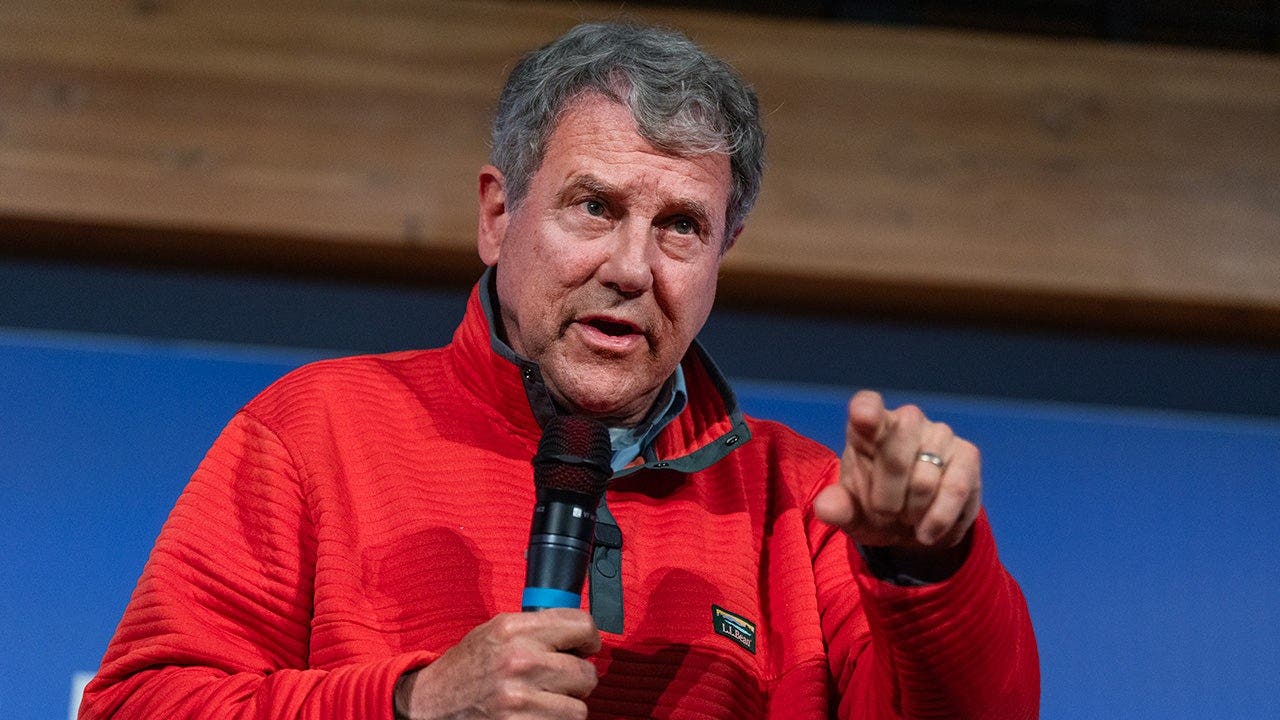
• Sherrod Brown’s comeback bid and anti-establishment pitch
• Donations tied to Nancy Pelosi-affiliated committees
• Brown’s hard line on stock trading and lobbying
• The clash between Washington messaging and campaign cash
• Ohio’s Senate race and the Republican pushback
Former Ohio Sen. Sherrod Brown is trying to sell a familiar message in a new package: Washington is broken, the elites are the problem, and he is the guy to clean it up. But campaign records tell a messier story, showing his operation took money from committees linked to Nancy Pelosi, one of the most recognizable faces of the Democratic establishment. That gap between the branding and the paperwork is what is fueling fresh criticism as Brown tries to claw his way back into the U.S. Senate.
Federal Election Commission filings show Brown’s campaign accepted $33,000 from Pelosi-connected committees going back to 2006, with $28,000 coming in since February 2024. That timing matters because it came right after Brown launched his latest comeback run, the kind of detail opponents love to hammer when they want to argue a candidate says one thing and cashes checks from another world entirely.
Brown has spent years taking shots at congressional stock trading and the culture around lawmakers profiting off their office. On his campaign site, he wrote, “No one – NO ONE – who serves in Congress, or their spouse, should be able to trade stocks. They also shouldn’t be able to turn around when they leave office and become a lobbyist. If you can’t agree to that, you shouldn’t be in public office.”
That line lands harder when matched against the reality of who has written checks. Shortly after Brown declared his bid, his campaign picked up $7,000 from Pelosi-linked committees, including $5,000 from PAC to the Future and $2,000 from Nancy Pelosi for Congress. It is the kind of detail that gives critics an easy opening to argue Brown’s outsider act is less grit and more performance.
The pushback has been sharp, especially from Republican voices in Ohio who say Brown is part of the same machine he likes to rail against. GOP strategist and attorney Mehek Cooke called him someone who has “never worked for us,” arguing Brown has spent decades in the exact political culture he now attacks.
Cooke also described Brown’s public posture as a “Jekyll and Hyde” act, saying voters are being sold a version of the senator that does not match the record. Her broader point was blunt: Brown is not some fresh face taking on Washington from the outside, but a veteran of the system with more than enough time to help shape it.
The Pelosi family’s finances have long drawn attention in these debates. Reports have estimated Nancy Pelosi and her husband Paul Pelosi’s net worth at roughly $278 million, and another report said the couple made more than $130 million in stock profits during her career in Congress. That backdrop has made any politician tied to Pelosi money an easy target in arguments over fairness, privilege, and who really benefits from the way Washington works.
Pelosi’s office has denied she had any direct role in stock trading decisions, with spokesman Nicholas Martin saying, “Speaker Pelosi does not own any stocks and has no knowledge or subsequent involvement in any transactions,” In public, Pelosi has also shifted her position over time, once defending lawmakers’ ability to participate in the market before later backing stronger restrictions and accountability measures.
That broader fight is still alive on Capitol Hill. Democrats recently blocked a Republican-backed measure aimed at banning lawmakers from trading stocks, arguing the proposal did not go far enough, while critics said it was another missed chance to clean up an obvious conflict of interest. Brown’s own rhetoric keeps him squarely in that debate, even as his fundraising brings him right back into the orbit of the people he says embody the problem.
The Ohio race only sharpens the tension. Brown is trying to win back a Senate seat after losing his 2024 reelection bid, this time facing Republican Sen. Jon Husted in a contest that is already drawing intense attention. Brown was first elected in 2006 and later chaired the Senate Banking Committee, so nobody is mistaking him for a political newcomer.
His campaign has also come under pressure before over donor ties, especially around issues tied to corporate influence and lobbying. Opponents are using that history to argue the same pattern keeps showing up, where Brown rails against special interests while accepting help from the same power centers he claims to distrust.
From the Republican side, the argument is simple and easy to repeat: if Brown spent decades building the very system he now calls rigged, he should not be treated like an outsider because he says the right words on the campaign trail. And in a race this tight, that kind of attack is likely to keep landing every time the money trail gets dragged back into the sunlight.

1 Comment
How Dems operate daily for votes