
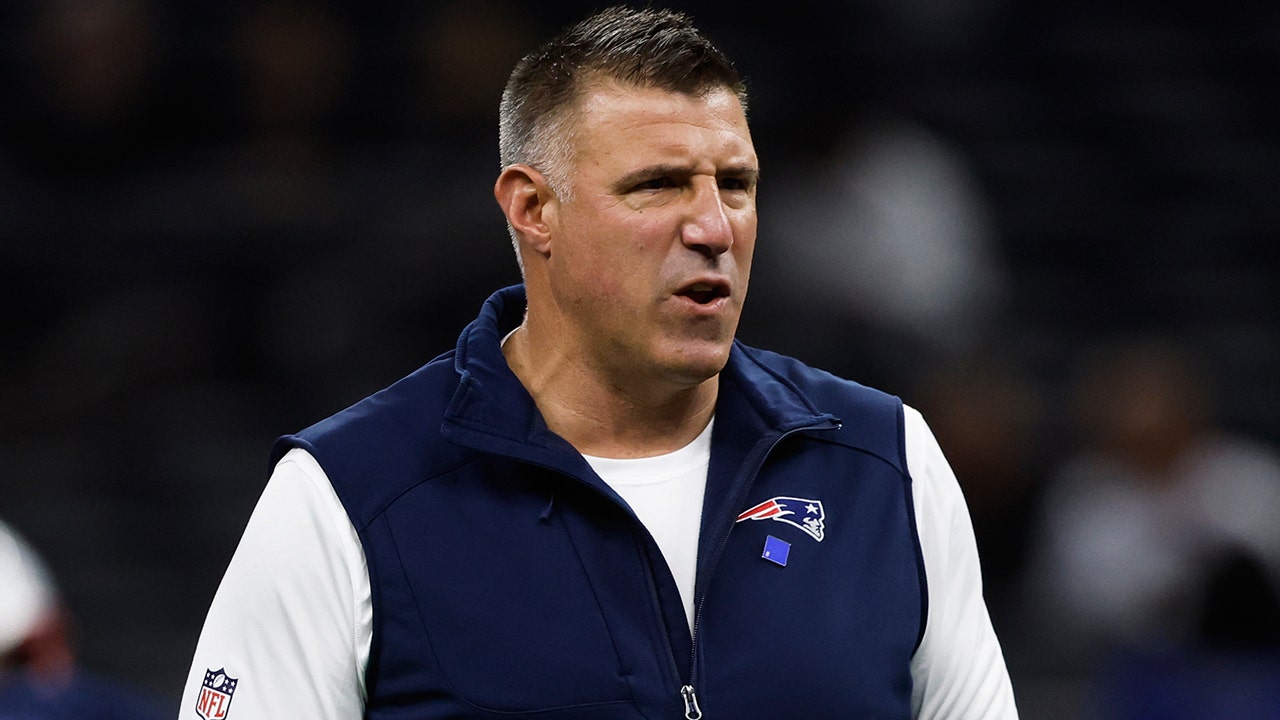
Patriots head coach Mike Vrabel stepped away from parts of the NFL Draft after private photos surfaced showing him with reporter Dianna Russini, and he publicly said he would put his family first while the matter played out. The situation has stirred questions about privacy, media scrutiny, and how a high-profile coach balances personal life with a demanding job during a crucial team moment. Here’s a clear look at what happened, how the organization reacted, and what it could mean for the Patriots’ immediate focus.
The leak of photos featuring Vrabel and Dianna Russini landed just as the NFL Draft was underway, creating awkward headlines and intense social media attention. Vrabel was absent from some draft-day activities, and the timing amplified the story, since teams rely on concentrated leadership during this period. Like any coach facing sudden public scrutiny, he found himself juggling optics and obligations in real time.
The Patriots organization issued no detailed public account beyond acknowledging Vrabel’s decision to step back briefly, a move that left observers guessing about internal conversations. Teams often handle personnel matters quietly to avoid fueling outside speculation, and New England’s low public commentary fits that pattern. Internally, staff and players continued their duties, while everyone awaited further clarity.
Reporter Dianna Russini’s name has circulated in connection with the photos, and the attention on her underscores the awkward overlap between media access and personal boundaries. Reporters who cover teams build relationships with personnel, but when private moments leak, the focus shifts from reporting to personal fallout. That reality is part of modern sports coverage, where private and public lines blur easily.
Vrabel’s own statement made a clear, simple point: family comes first. He framed his absence as a brief, necessary step to address personal matters, which he indicated required his full attention. That kind of language aims to reset priorities publicly and to reassure players and staff that leadership will return focused on team goals.
Even so, distractions like this can ripple through a locker room, especially during the draft when new players are being evaluated and roster decisions are in motion. Coaches must manage both the paperwork and the morale of the team, and anything that draws energy away from evaluation can complicate an already fast-moving week. The Patriots’ front office and coaching staff faced the task of keeping operational momentum while respecting personal boundaries.
Fans and commentators reacted quickly, offering everything from sympathy to harsh scrutiny, which is typical for any high-profile personality in sports today. Social media accelerates judgment and rumor, often before facts are established, and that environment can make it harder for people involved to control the narrative. Still, the on-field stakes remain unchanged: drafting well and preparing for the season are nonnegotiable objectives.
This episode also raises broader questions about privacy for public figures and the responsibilities of media consumers. Coaches and reporters navigate close professional relationships that are necessary for access and information, but when private moments escape into public view, both sides pay a price. How organizations respond, and how the public moderates its reaction, will shape expectations for handling similar incidents in the future.
For now, the Patriots are pressing on with draft evaluations and offseason planning while Vrabel steps back into his role, aiming to reestablish focus on football. The team’s work to integrate new talent and prepare for training camp continues, and leadership will need to demonstrate stability to keep momentum. Ultimately, players and staff will judge the response by how quickly the organization returns to business as usual and how well it executes on the field.
