
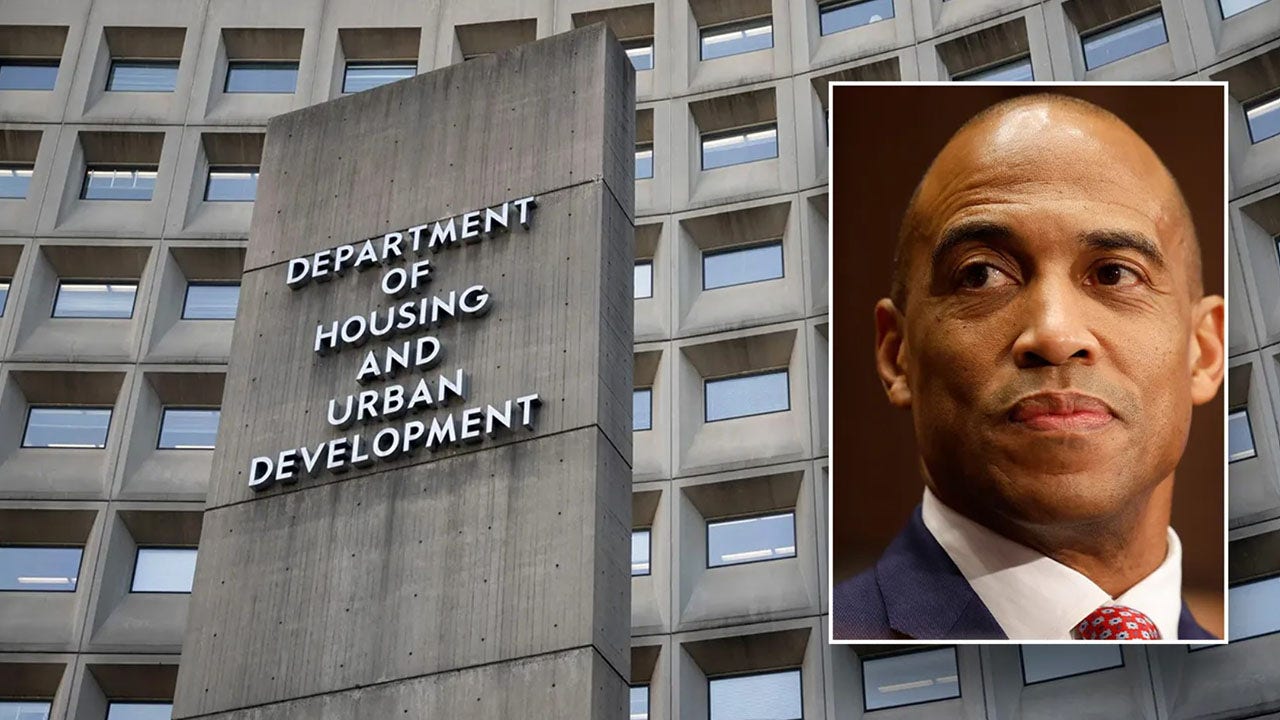
The Trump administration has pushed a sharp shift in public housing policy that aims to reserve subsidies for citizens and push culture change inside the projects. A proposed HUD rule would “prohibit…making financial assistance available to persons other than United States citizens…in HUD’s public and specified assisted housing programs,” while a separate proposal nudges local housing authorities toward work requirements and time limits. This piece looks at how the two moves relate, who could be affected, and why Republicans see the bigger battle as breaking long-term dependency, not just closing loopholes.
The citizenship restriction is straightforward and unapologetic. It would stop noncitizens from accessing federally subsidized housing, closing a loophole critics say let some undocumented people slip into apartments meant for Americans. Expect legal fights and heated enforcement scenes if evictions begin, because removing people from homes is always messy and emotional.
Officials estimate more than 20,000 residents might be affected by the change, though actual numbers could be higher or lower once the policy hits the ground. Either way, the number is small compared with the millions who rely on housing support and the much larger problem of long-term welfare dependence. Fixing the loophole is sensible, but it’s not the whole agenda.
The loophole worked this way: a legal resident could move up a long waiting list and then host undocumented relatives inside what was treated as a “mixed household,” provided income rules were followed. In practice those household income calculations were often lax or gamed, which strained scarce units and angered people who had waited for years. Closing that door restores fairness to families who legitimately followed the rules.
Beyond enforcement, HUD’s second proposal is the real game changer: encourage the nation’s roughly 3,200 public housing authorities to adopt work requirements and time limits. That’s a structural shift from subsidized housing as permanent refuge to subsidized housing as a temporary stepping stone. It echoes the 1996 welfare reform blueprint that moved people back toward work and independence.
Today, only about 24 percent of subsidized households list wages as a major income source, and 73 percent of residents have lived in the same unit for ten years or more. Those numbers show a culture of dependence that traps families for generations. If you want upward mobility, you have to change incentives; asking for work or time limits does that.
Work rules are not cruel; they are practical. They push able-bodied adults to find jobs, training, or community service that can lead to higher pay and eventual housing independence. Time limits make room for others in need and prevent a permanent underclass from forming inside government projects.
Another lever worth pulling is housing priority. Current rules give lowest-income families first dibs, which has skewed occupancy toward single-parent households. Only around 3 percent of public housing households are two-parent families, and that imbalance shapes daily life inside developments with predictable social costs.
Prioritizing stable family structures where appropriate would be a blunt but effective tool to recenter public housing on its original working-class purpose. Married couples and two-parent households statistically bring more economic stability, which benefits children and neighborhoods. If legal immigrants tend to work and form stable families, that outcome should be welcomed, not resented.
HUD Secretary Scott Turner has highlighted the citizenship rule, but the reform-minded agenda is broader than that single headline. Pairing enforcement with policies that promote work and time-limited aid sends a consistent message: government help exists to lift people up, not keep them down. That distinction matters politically and morally.
There will be pushback from advocates who see any enforcement as heartless, and from legal challenges arguing over the scope of federal authority. Expect court fights and heated public hearings, because housing policy touches raw nerves about fairness, belonging, and dignity. The administration should be ready for those battles.
In practice, combining strict citizenship verification with incentives for employment and turnover changes the options for local housing managers. They can choose to maintain the status quo or try a different approach: limited aid tied to progress, which aims to expand opportunity rather than lock families into dependency. For Republicans, that’s the real win — restoring work, responsibility, and fairness to public housing.
SEC TURNER: HOMEOWNERSHIP IS MAKING A COMEBACK THANKS TO TRUMP, BUT THERE’S MORE TO COME
