
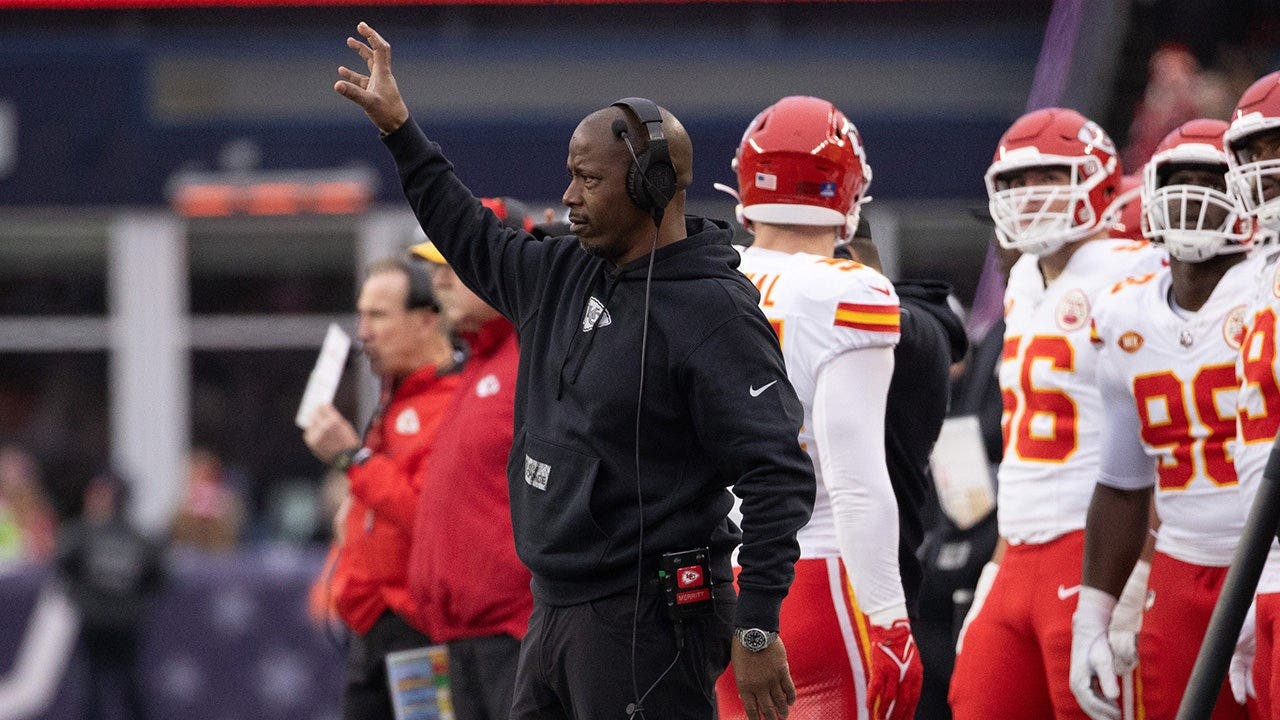
Kansas City Chiefs assistant coach Dave Merritt was charged Thursday with misdemeanor domestic battery after a complaint accused him of causing bodily harm, a development that has drawn attention inside and outside the league and raised questions about next steps for the coach and the team.
The charge, filed Thursday, centers on an allegation that Merritt caused bodily harm in an incident described in a complaint. At this stage, the charge is misdemeanor domestic battery, which typically indicates non-life-threatening injuries are alleged. Legal authorities will now move the case through initial court procedures and timelines.
Because this is a criminal charge, standard legal safeguards apply, including the presumption of innocence until a court decides otherwise. The immediate legal process usually involves an arraignment where the accused can enter a plea, and court dates will be scheduled for any pretrial matters. Outcomes could range from dismissal to plea negotiations or trial, depending on how the case develops.
The Chiefs organization has a reputation for handling off-field matters carefully, balancing internal review with public communication, but teams often wait for basic facts before making formal announcements. At the time of this report, the team’s public statements were limited as authorities proceed with their inquiry. Clubs generally coordinate closely with legal counsel and the league while monitoring developments in such situations.
Merritt’s role on the coaching staff places him in regular contact with players and fellow coaches, so any legal matter can ripple through daily routines and planning. Teams have to consider short-term logistics for meetings and practice coverage if a staff member becomes unavailable. Beyond logistics, organizations often assess potential disciplinary steps under their conduct policies in parallel with the legal process.
From a legal standpoint, misdemeanor domestic battery penalties vary by jurisdiction, but they often involve fines, probation, or short jail terms for convictions, along with mandatory programs in some cases. The court record and complaint details will be central to how prosecutors proceed and whether the charge is maintained at this level or altered. Defense strategies typically focus on challenging statements, seeking evidentiary clarity, and exploring resolution options that avoid trial when possible.
High-profile figures face a different public calculus, since media attention and sponsorship considerations can raise stakes even before legal resolution. Public reaction can influence how organizations handle personnel decisions, though legal standards and employer policies remain distinct. For the coach, reputation management and legal counsel become immediate priorities once a charge is filed.
Observers will be watching for filings in the local court system and any official comments from the Kansas City Chiefs or the NFL, both of which often take time to review circumstances. The league has policies governing personal conduct that can trigger independent investigation and potential discipline separate from criminal outcomes. That means an off-field legal issue can produce parallel administrative processes.
As the matter proceeds through the courts, documents like police reports, charging affidavits, and court dockets will provide clearer detail on the alleged incident and the evidence cited. Those records are typically public once filed, and they offer a factual basis for reporting and for any organizational decisions that follow. Until more information is made available, the focus remains on the legal steps that will dictate what happens next.
