
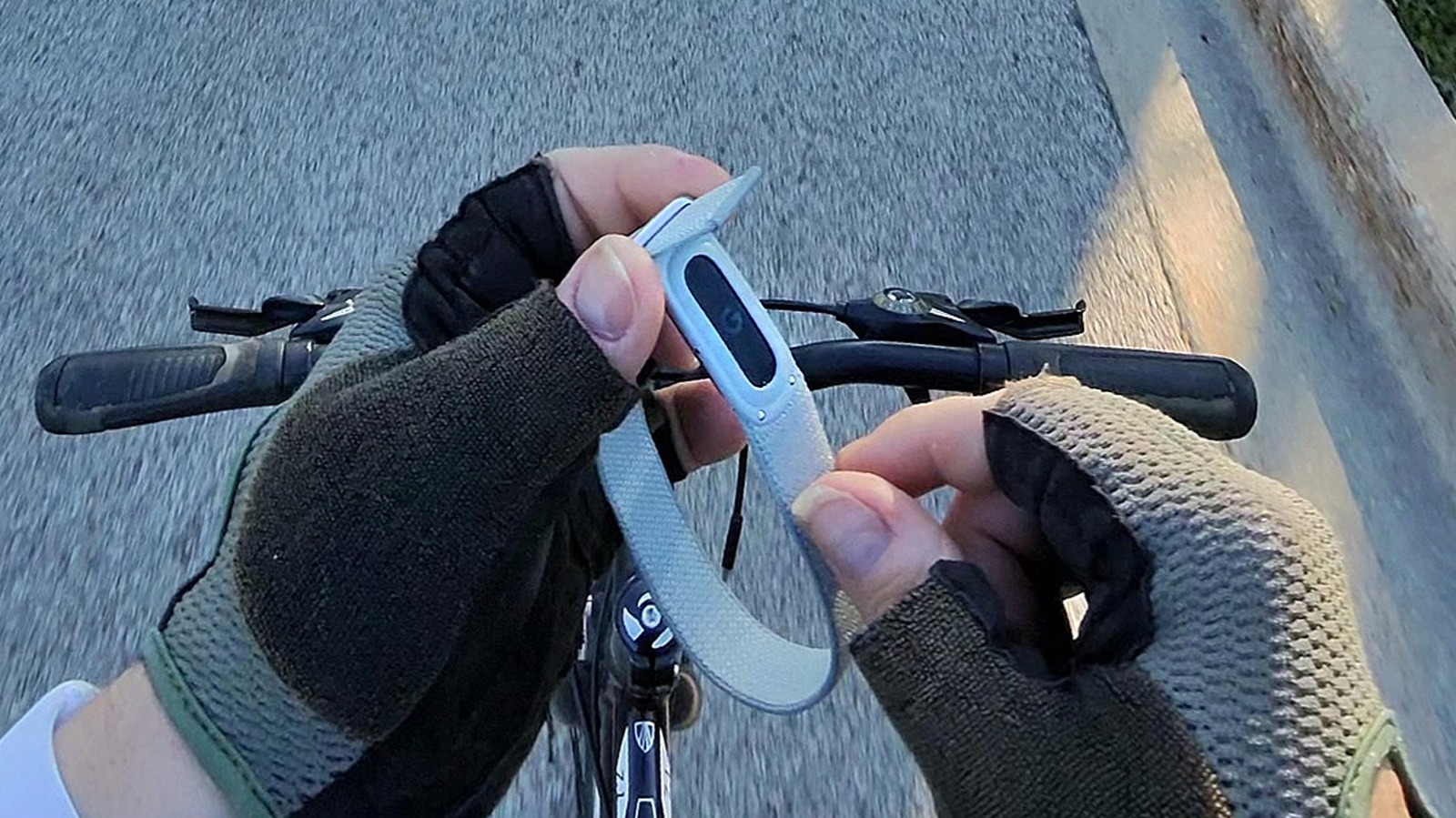
Google’s newest fitness device blends familiar hardware with smarter summaries, turning raw health numbers into quick takeaways on your phone. This piece walks through what the device tracks, how the AI organizes the data, real-world performance impressions, and what this means for everyday users who want useful insights without digging through charts.
“If you’re looking for Google’s latest in fitness tracking paired with AI summaries of the data it’s sending to your phone, this is it!” That line captures the core promise: a wearable that does more than log steps and heart rate. Instead it aims to turn those readings into context you can understand in seconds.
Physically the tracker follows the current trend of light, unobtrusive wearables that favor comfort over flashy looks. Expect a slim profile, a silicone band option, and a display tuned for quick glances rather than long reads. That design focus means it’s easy to keep on all day and night, which is crucial for continuous health metrics.
On the sensor side the device includes standard accelerometers, heart rate monitoring, and likely SpO2 tracking for blood oxygen estimates. These are the building blocks for activity detection, sleep staging, and stress estimates. What changes the experience is how the connected phone app collects and summarizes that flood of numbers into short narratives.
The AI summaries are not a gimmick. They look for trends across days and weeks and then highlight meaningful shifts, like a sudden dip in sleep quality or a consistent rise in resting heart rate. Those insights appear as short snippets on your phone rather than as long tables, so you can act faster. The goal is to make health data feel like advice rather than homework.
In testing, the summaries tended to point out things users actually care about, such as recovery needs after a heavy week, or a suggestion to take a slower run when sleep has been poor. The language is conversational and usually accurate, though it sometimes errs on the safe side. That cautious tone helps avoid false alarms while still nudging users toward sensible behavior.
Battery life remains a practical concern for any always-on tracker. This model strikes a balance by dimming background processes when not needed and batching data uploads to the phone. You can expect multi-day use between charges depending on how many features you enable, with GPS or continuous SpO2 sampling shortening that window.
Privacy gets front-and-center treatment with options to control what gets stored and shared. Data syncing is optional and can be limited to local phone storage if you prefer fewer cloud backups. For users who care about how their health signals are used, those settings make a meaningful difference.
Integration with other apps is smooth but not exhaustive. The device plugs into common fitness and health ecosystems so your workouts and sleep logs can be shared with familiar trackers. However, some niche third-party services may require manual exports, so heavy data users should check compatibility first.
On the accuracy front, the tracker performs well for everyday metrics like step counts and basic heart rate checks. It is broadly in line with similarly priced competitors but is not a replacement for clinical-grade devices. For most people the readings are precise enough to guide training and recovery without overcomplicating life.
User setup is straightforward and fast, with the phone app guiding you through permissions, wear tips, and personalized goals. The onboarding gives clear explanations of what each metric means and how the AI uses them to create summaries. That helps people who are new to sleep staging or heart rate variability make sense of otherwise confusing data.
The notifications and alert filters are practical and intentionally sparse to avoid overloading users. You get important nudges rather than constant prompts, and you can customize which summaries become push notifications. That keeps the device useful rather than annoying.
For buyers who want a smart, no-nonsense fitness companion that turns numbers into useful observations, this Google device is a strong contender. It focuses on clarity over flashy features and uses AI to reduce clutter rather than create more of it. If you want a wearable that explains your health instead of just recording it, this one deserves a look.
