
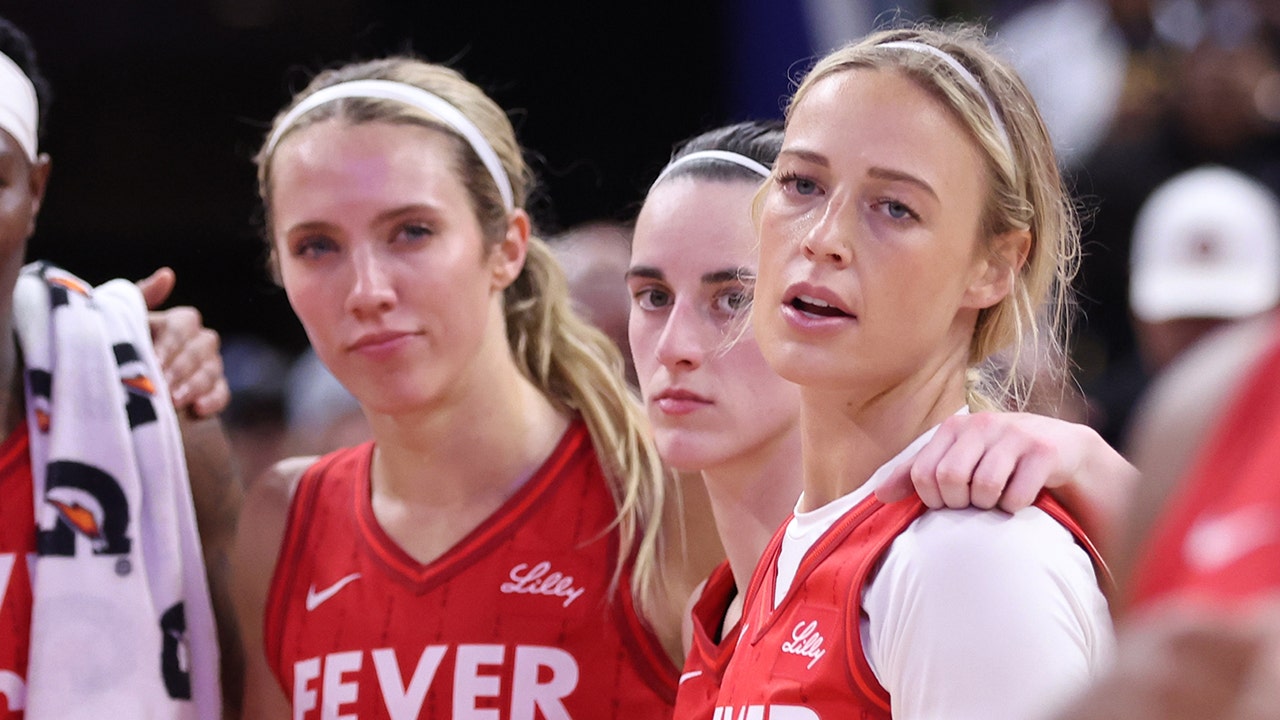
Sophie Cunningham addressed reporters at Fever media day to push back against a brief clip of her comments that spread online, urging clearer context and fair treatment by sports media. The conversation touched on contract talk, media editing, and the ripple effects on players’ reputations. Her remarks at the event highlight broader questions about how short clips shape narratives and public perception. This piece walks through what happened, why it matters, and what Cunningham asked from the media that covers athletes.
The media day setting was straightforward: players meet reporters, answer questions, and try to give a sense of where the team is headed. What changed was a cut version of Cunningham’s comments that circulated on social platforms and across sports feeds, framed in a way that shifted the tone of her message. Those compressed clips can travel fast and set a storyline before full context is available. For athletes, that speed can feel like a trap where nuance gets lost.
Sophie Cunningham speaks out at Fever media day, calling for honesty in sports media after her contract comments were clipped and taken out of context. She emphasized that a short excerpt did not capture the substance of her thinking and that people often assume the worst when they see a two- or three-second highlight. Cunningham used the platform to remind listeners that interviews are conversations, not soundbites to be repurposed without care.
The concern here is not new, but it is getting louder as social platforms reward swift, punchy content over long-form explanation. Clips that are engineered to provoke clicks or outrage can distort timelines and make negotiations or personal views look combative when they are not. Editors and producers have to balance audience interest with the responsibility to preserve meaning. When that balance is off, the players bear the reputational cost.
There is also a practical layer tied to contracts and team dynamics. Remarks about future plans, salary expectations, or roster moves live in a gray space where phrasing matters and intentions can be misread. Cunningham’s comments were caught in that gray area, and the edit removed the qualifiers and warmth that framed the full answer. That kind of trimming can complicate locker room relationships and the trust between players and franchises.
At media day she asked for simple things: give full answers a chance, avoid chopping statements into provocative fragments, and allow players to explain the context of sensitive topics. Cunningham framed this as an appeal to fairness rather than a demand for censorship. She wants reporting that reflects a complete thought process instead of weaponized excerpts, and her point resonated with others who have felt misrepresented by similar clips.
The episode also matters for fans and for how the public consumes sports coverage. If audiences learn to prefer the short burst that inflames, they miss the reasoning behind player decisions and the complexity of negotiations. Teams and leagues should worry about a climate where headlines trump understanding, because it can erode the goodwill that fans and players rely on. Better media literacy and editorial standards would help slow the spread of misleading takes.
What happens next depends on whether media outlets and platforms take the hint and start prioritizing fuller context, and whether players keep pushing back when their words are reshaped. Cunningham’s intervention at Fever media day was clear and direct: she expects honesty and wants coverage that reflects it. If reporters respond, the conversation could nudge coverage toward more careful, responsible storytelling.
