
Officials Undercut Democrat Arson Claims After Judge’s House Fire
When Circuit Court Judge Diane Goodstein’s home caught fire, the immediate reaction from many on the left was to point fingers before facts were known. Democrats rushed to link the blaze to political rhetoric, specifically calling out President Trump’s allies. The speed of those accusations deserves scrutiny.
Circuit Court Judge Diane Goodstein was out walking her dogs when the fire broke out, leaving her husband, former state Sen. Arnold Goodstein (D), and two others injured after escaping the house. The scene on Edisto was chaotic and heartbreaking, but chaos is not evidence. Responsible voices should wait for investigators to do their work.
Some Democrats tied the incident to a broader narrative about threats against judges, and that concern about safety is real and serious. Threats against judiciary figures must be condemned and investigated no matter who makes them. But condemning speech and alleging arson are different things, and conflating them is dangerous.
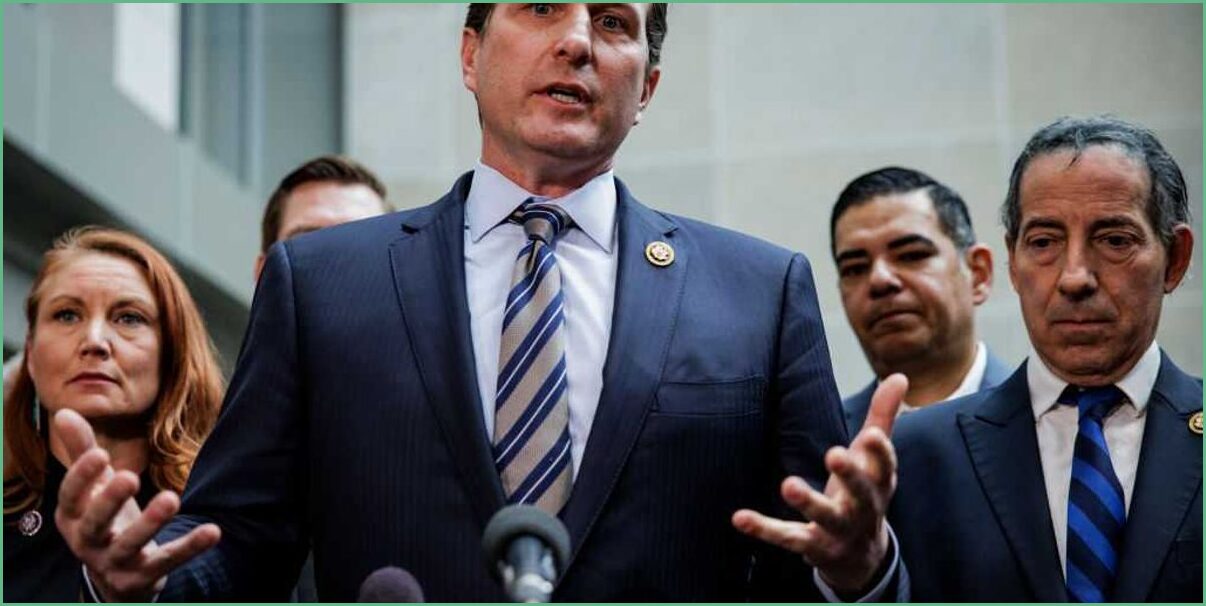
Rep. Daniel Goldman piled on with an incendiary post that made definitive claims before authorities finished their work. “Trump, @StephenM and MAGA-world have been doxxing and threatening judges who rule against Trump, including Judge Goodstein,” Rep. Daniel Goldman (D-N.Y.) wrote in a on X. “Today, someone committed arson on the Judge’s home, severely injuring her husband and son. Will Trump speak out against the extreme right that did this??”
Another Democrat echoed the leap from rhetoric to motive, tying specific words to presumed action without evidence. “Just yesterday @StephenM called judges ‘terrorists.’ Now a judge’s home has burned after an explosion,” Ansari . “We need a full investigation, but it’s undeniable that this rhetoric is dangerous & it makes violence feel permissible. Is @realDonaldTrump going to say or do anything??”
In California, a prominent communications aide to Gov. Newsom made the same quick connection between words and a criminal act. “A few weeks ago, one of Trump’s top DOJ officials publicly targeted this judge,” Gardon . “Today, the judge’s home is on fire.”
Those posts grabbed headlines and set a narrative that assumed guilt before proof, and that’s the opposite of what our justice system stands for. The public deserves both passionate advocacy and factual integrity. Leaders should model restraint, not rush to amplify wild speculation.
https://x.com/danielsgoldman/status/1975009846627058123
Enter the South Carolina Law Enforcement Division, SLED, which provided a critical correction to the early chorus of accusations. “At this time, there is no evidence to indicate the fire was intentionally set.” That short sentence changes the story in a big way.
Authorities noted they found no signs of a pre-fire explosion and no indicators pointing to deliberate ignition. SLED agents are trained for this kind of work and their preliminary findings matter. Law enforcement conclusions should shape the public conversation, not after-the-fact political spin.
Governor Henry McMaster echoed the investigators and urged caution while the probe continues. “SLED Chief Mark Keel has announced that at this point in the investigation there is no evidence the horrific fire at Judge Goodstein’s Edisto home was intentionally set. I echo Chief Keel’s call for everyone to exercise good judgment and avoid sharing unverified information while the investigation continues,” McMaster said.
It is reasonable and necessary to demand accountability for violent threats against judges and court personnel. Republicans have long defended the rule of law and the safety of our courts, and that commitment should be unwavering. At the same time, political actors must avoid weaponizing tragedies to score partisan points.
Media outlets and political operatives who amplify unverified claims do a disservice to victims and to public trust. Inflaming a divided public with premature conclusions can endanger people and erode the credibility of genuine warnings. When rhetoric escalates into accusation, the next step can be real-world harm.
This case highlights a broader cultural problem: a rush to narrative over evidence. In a polarized environment, people see what they expect to see and then demand proof to fit their view, not the other way around. That mindset corrodes civic discourse and makes investigations harder.
There is a middle path that both protects judges and defends due process. We can and should call for thorough investigations, stronger security for judicial families, and swift consequences for credible threats. That approach keeps our courts safe without turning every incident into a partisan provocation.
For conservatives, the lesson is clear: stand firm for law and order, but don’t supply the fever that the left feeds on when it suits them. Pointing out facts and demanding investigations is consistent with protecting institutions. Partisan theatrics are not.
For Democrats, the lesson should be similar: outrage without evidence weakens your credibility and wounds victims. If a public official or media figure believes words create conditions for violence, document it and let prosecutors evaluate it. Otherwise, restraint and respect for investigators is the responsible course.

1 Comment
All that’s extreme is the Left, Demoncrap party and Rino’s! Case Closed!