
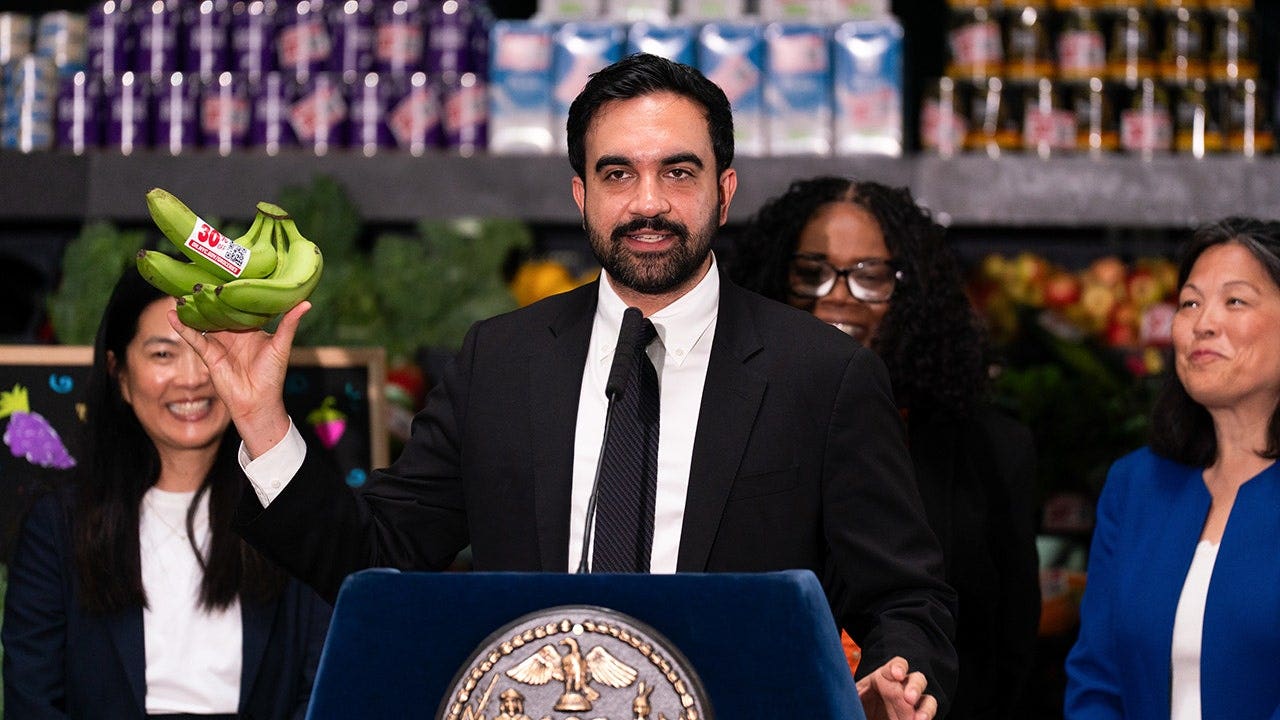
New York City’s push into city-owned grocery stores is already sparking a familiar fight over price, taxes, and who ends up paying for the whole experiment. Supporters pitch it as a bold answer to expensive food, but critics say the plan could squeeze independent grocers, bury the real cost in subsidies, and leave taxpayers covering the gap twice.
Officials are now floating extra help for private grocers, including tax relief, incentives, and zoning changes, while the city moves ahead with its own subsidized stores. That is where the argument gets messy fast, because the public could end up financing both the government-backed stores and the lifeline meant to keep nearby businesses from getting crushed.
The city’s grocery plan leans hard on public support. The stores are expected to get low-cost or no-cost land, city-funded buildouts, and other subsidies, all while aiming to sell food at prices said to be 30% below comparable retailers.
That discount sounds great on paper, especially for families feeling the pinch at the checkout line. But the math behind it is where the skepticism starts to bite, since grocery stores usually run on thin margins and do not have much room to absorb deep cuts without someone else making up the difference.
Critics argue the “savings” are mostly a shell game. If the city absorbs the costs through subsidies, waived rent, and taxpayer support, then the lower sticker price may simply hide the real bill instead of reducing it.
Policy analysts and economists have warned that prices set far below market levels can create their own headaches. If goods are cheap enough, shoppers may buy more than they need, resell items elsewhere, or trigger shortages that make the stores harder to manage over time.
Small grocers are watching closely because they know how fragile neighborhood retail can be. A city-backed competitor with lower prices and a cushion of public funding could pull customers away fast, especially in communities where margins are already tight and every lost sale matters.
That concern is not just theoretical. Grocery operators have been blunt about the risk, saying they could lose business if the city uses public money to offer prices private stores simply cannot match.
The city’s economic development team has pushed back, saying the stores could bring more foot traffic and help nearby businesses instead of hurting them. It has also pointed to existing programs like FRESH, along with broader small-business reforms, as examples of tools that could support independent operators without turning every problem into a new subsidy.
Still, the details remain fuzzy enough to keep the debate alive. Even officials have had to walk back talk of grants for existing grocers, which only adds to the sense that the policy is still being shaped in real time.
That uncertainty matters because the rollout is not a tiny pilot tucked into a corner of the city. The plan already includes $70 million for five municipal stores, with the first one expected in Hunts Point and others planned across several boroughs.
Under the proposal, private operators would handle the day-to-day store work while the city controls the big stuff, including pricing standards, locations, and much of the occupancy cost. It is an unusual setup, one that tries to mix public power with private management while promising lower prices at the register.
That balance is exactly what makes the policy so charged. Food affordability is real, but so is the risk of building a system that leans on the public purse while reshaping the market around it.

2 Comments
WELL, That’s what the DIMMS voted for!!!! I left LONG AGO!!!!!
Can you smell the feces! It is not only on the street, it is in government that you liberals voted for.
History repeats itself. Socialism is the flee that rides on the communist’s back.