
• Dog ownership and longer life
• Daily movement built into pet care
• Stress relief from animal companionship
• Lower loneliness and stronger connection
• Blue Zones habits in everyday life
The simplest longevity boost may not come from a fancy supplement or a high-tech gadget. It may be walking around the block with a dog that expects you to show up every single day.
Dan Buettner, the founder of Blue Zones, has pointed to growing evidence that dog ownership is tied to better health and a lower risk of dying early, especially from heart-related problems. The idea is not complicated: dogs make life more active, more social and a little less lonely.
That matters because small habits tend to pile up fast. If a pet nudges someone into daily walks, regular fresh air and a steadier routine, the health payoff can be surprisingly big.
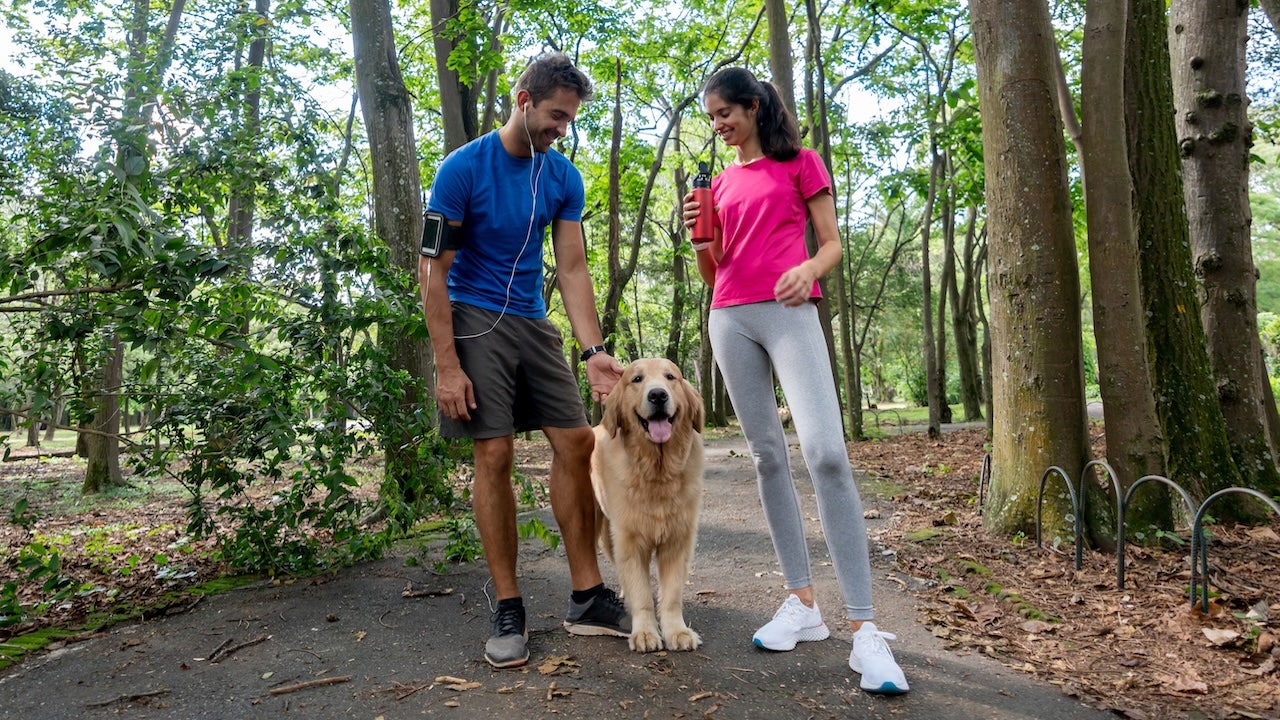
One major piece of the puzzle is movement. Research has found that dog owners tend to walk noticeably more each day than people without dogs, which makes it easier to hit the kind of activity levels doctors keep pushing for.
Those extra minutes may not sound dramatic, but they add up over weeks and months. A person who might skip exercise altogether is often far more likely to stay in motion when a dog is waiting by the door with obvious expectations.
There is also the stress factor, and this one is easy to understand. Spending time with a pet can help lower cortisol, the body’s main stress hormone, while boosting feel-good chemicals like oxytocin, dopamine and serotonin.
That kind of shift is more than a mood lift. Over time, lower stress and better blood pressure can support heart health, which is one reason dog owners often show stronger cardiovascular outcomes in large studies.
Loneliness is another piece that gets overlooked until it becomes a problem. The U.S. Surgeon General has called chronic loneliness a public health epidemic, and its effects can be as damaging as people often assume.
Dogs help cut through that in a very direct way. They bring companionship at home, but they also open the door to quick conversations on sidewalks, at parks and anywhere else a leash leads.
That social ripple effect matters a lot for people living alone. A dog can create a sense of purpose and regular contact that keeps the day from feeling sealed off or empty.
Buettner’s larger point lines up closely with Blue Zones thinking, which focuses on the habits shared by people who live the longest. Those habits usually include natural movement, purpose, low stress and strong social ties, not some extreme wellness routine that feels impossible to maintain.
A dog pushes several of those buttons at once. It creates a reason to get out of bed, a reason to walk, a reason to talk to people and a reason to stay engaged with the world instead of drifting away from it.
That is part of why the pet conversation keeps coming back in longevity discussions. The benefits are not glamorous, but they are real, and they fit neatly into ordinary life without much effort.
There is something refreshing about that. Not every path to better health has to feel like a project, and in the case of dog ownership, the reward can be shared every day on a leash, at the front door and in all the little moments that make a routine feel alive.
