
• ICE arrests in Indiana and what triggered them
• Why Republicans want immigration enforcement locked into law
• The argument for codifying Trump-era border policies
• Concerns about future administrations reversing tough enforcement
• Broader GOP priorities, including election security and federal immigration rules
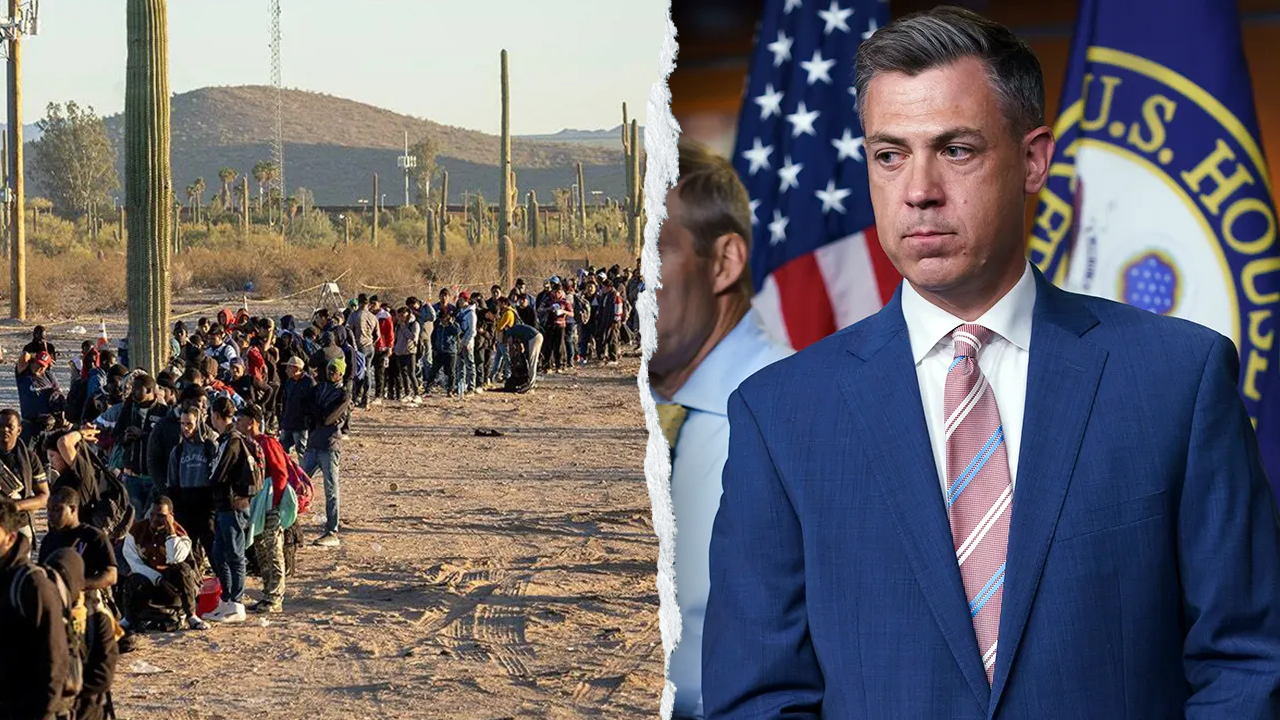
Five days of aggressive ICE action in Indiana put immigration enforcement right back at the center of the fight over what comes next in Washington. The operation led to 426 arrests and gave Republicans fresh ammunition for a simple argument: if the crackdown matters now, it needs to survive the next president too.
Sen. Jim Banks of Indiana has leaned hard into that point after praising Operation Safe Community: Indiana, which ran from Aug. 30 through Sept. 3. ICE said the arrests included people tied to sex crimes, assault, domestic violence, drug trafficking and weapons offenses, a list that instantly sharpened the political stakes around the sweep.
Banks framed the operation as proof that President Donald Trump’s immigration agenda is producing real results on the ground. He argued that the force behind the policy is exactly why voters backed Trump in 2024, especially on deportation and border enforcement.
The senator also pointed to the scale of the arrests as evidence that cooperation matters. ICE credited state and local law enforcement partners in the effort, and Republicans have long said those partnerships are what make large enforcement pushes possible.
Still, Banks says the bigger issue is durability, not just results. He warned that strong executive action can only go so far if a future administration decides to unwind it, which is why he wants Congress to write the rules down in black and white.
That is the heart of his push to codify Trump border security measures and tougher immigration policies into law. In his view, enforcement that depends only on one president is vulnerable, and Republicans should not leave something this important exposed to the usual political swing.
Banks has tied that message to a larger Republican package already moving through the party’s immigration debate. The seven-bill plan targets issues like birthright citizenship, family-based immigration, H-1B visas, noncitizen commercial driver’s licenses and limits on judicial interference over Temporary Protected Status.
He also argued that the fight is bigger than one state. If a major ICE bust can happen in Indiana, he said, then it can happen anywhere, which is why the federal government should keep pressure on violent offenders who are in the country illegally.
That tougher line runs into resistance from Democrats, whom Banks accused of trying to block ICE and weaken enforcement. He said the political left has made federal immigration and deportation efforts a target, even as public concern over border security remains high.
Banks did not stop at immigration, either. He also complained that the Republican-led Senate has not done enough to move election legislation he sees as important, especially the SAVE Act, which would require documentary proof of citizenship to register for federal elections.
For him, the voting issue connects to the same broader theme of government trust and control. He said immigration enforcement and election integrity both matter because they shape who is in the country and who gets a say in its future.
That point has only gotten more charged after separate cases in Indiana and elsewhere involving noncitizens accused of voting. Banks has used those examples to argue that lax border policy can spill into other parts of civic life in ways that are hard to undo once they take root.
Senate Majority Leader John Thune has pushed back on criticism that Republicans are dragging their feet. He has said the math in the Senate remains the problem, not the desire to act, and that getting to 50 votes is still a real hurdle for some priorities.
Even with that obstacle, Banks has kept the pressure on, especially as ICE continues making high-profile arrests. The political fight now sits at a familiar crossroads: one side wants flexibility for future administrations, while the other wants the Trump approach locked in so it cannot be quietly dismantled later.

1 Comment
Needed now