
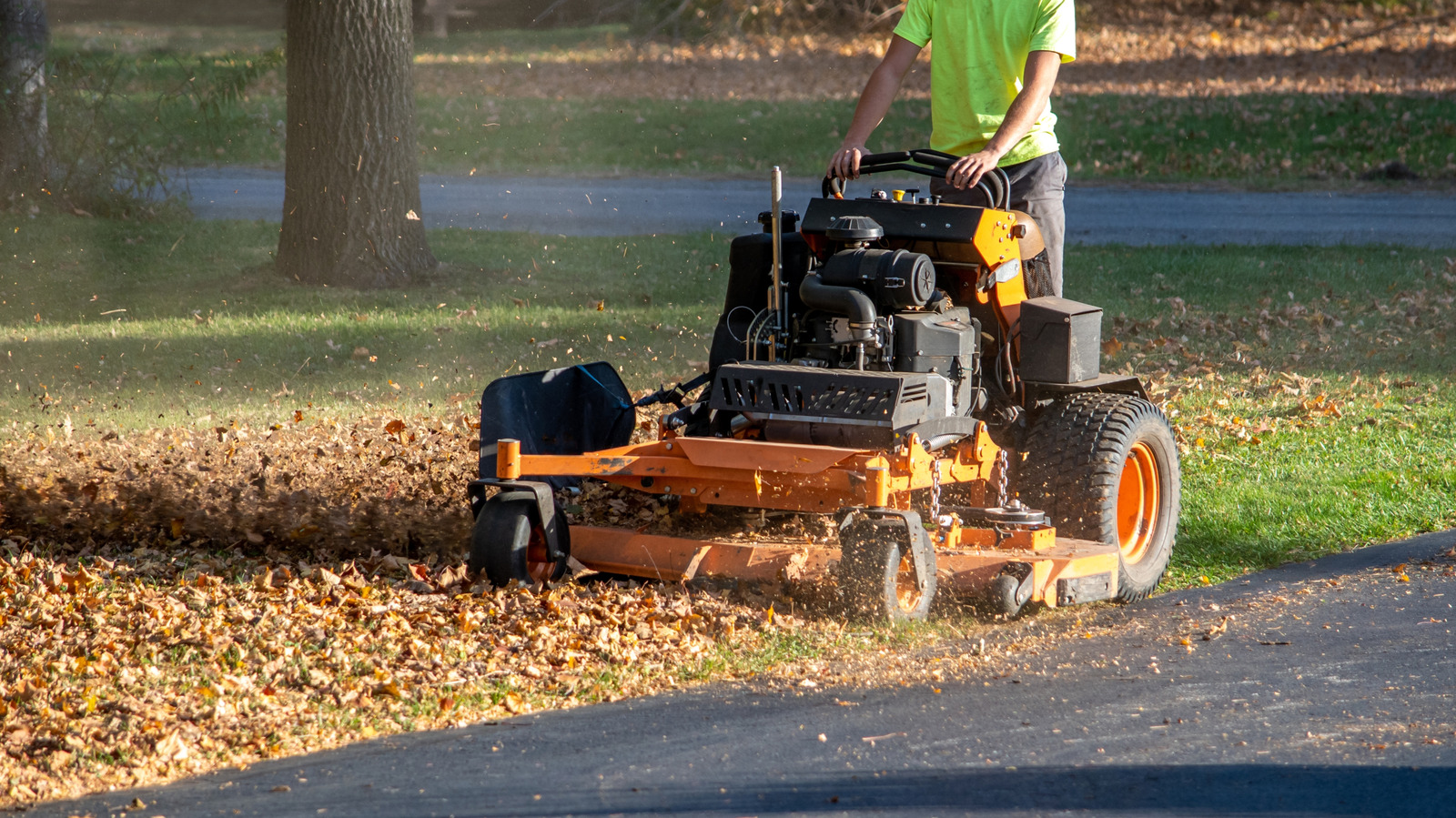
- Riding mowers and stand-on mowers
- How property size affects the choice
- Maneuverability in tight or complex spaces
- Comfort, precision, and storage trade-offs
- Safety, terrain, and quick dismount considerations
Choosing between a riding mower and a stand-on mower comes down to how the yard actually behaves, not just what looks cooler in the driveway. Both styles can get the job done, but they shine in different situations, and the best pick often depends on space, terrain, and how long the work usually lasts. For small, tricky properties, stand-on models can feel nimble and responsive, while larger open lawns often favor the comfort and coverage of a sit-down machine.
That split makes sense once the mowing job gets real. On tighter properties, a stand-on mower can slip through narrow turns, weave around landscaping, and handle stop-and-go work without feeling clumsy. When the yard opens up into broad stretches, a riding mower usually becomes the easier call because it lets the operator cover more ground with less physical strain.
Experts in the field keep returning to the same idea: match the machine to the property. For compact lawns, urban spaces, and yards packed with obstacles, a stand-on mower often wins on agility and visibility. For wide lots or long runs of open grass, a riding mower can be the smoother, more efficient option, especially when the job is going to take a while.
Comfort is where the difference starts to feel more obvious. Standing for long stretches can wear on the body, especially during bigger mowing jobs, while sitting spreads out that fatigue and makes it easier to stay on the machine longer. That is a big reason many professionals lean toward sit-down models when the goal is endurance and all-day productivity.
There is also the question of what the mower can do with clippings and how much it costs. Stand-on mowers often do not bag clippings as well, and the catcher systems on models that do support them may be smaller. They also tend to carry a higher upfront price, which makes them more of a business tool in many cases, though residential versions do exist.
Riding mowers have their own trade-offs, and they are not minor. The lower seated position can make it harder to see bumps, edges, and nearby obstacles, which matters a lot in yards with decorative beds, trees, or hidden hazards. They can also feel less precise in tight spaces, and the larger frame takes up more room in storage, whether that means a garage, shed, or trailer.
Safety plays into the debate, too. Stand-on mowers allow for a quick step-off in an emergency and make it easier to dodge debris, fixtures, or other obstacles without feeling trapped in the seat. The higher stance also gives a better view of what is ahead, which can be a real advantage when the terrain gets messy or unpredictable.
Terrain is another place where stand-on machines often earn points. Hills, rough ground, and uneven patches can be easier to manage when the operator can shift body weight and stay balanced over the mower. A riding mower can still handle plenty of challenging ground, but the stand-on design often feels more responsive when the landscape is less forgiving.
Still, there is no perfect winner here, only the better fit for the job. If the property is large, open, and built for long passes, a riding mower usually brings the comfort and efficiency most people want. If the yard is smaller, more detailed, or packed with obstacles, a stand-on mower may be the sharper tool for the cut.
