
Major U.S. bank customers ran into a messy afternoon as online banking systems at several big-name lenders started showing error messages and slower-than-normal processing. The glitch hit confidence fast, and bank stocks felt the pressure almost immediately as traders reacted to the disruption.
Reports pointed to Chase, Bank of America, Wells Fargo, and Capital One among the institutions affected. Some customers said they could still get into their accounts, but they were seeing delays, failed requests, or messages telling them to try again later.
Chase addressed the problem directly through its support channel on X, saying it was working through an issue tied to online banking. The bank also told customers to check back later, while stressing that the outage was being handled and that patience was appreciated.
In a separate statement, Chase said the technical problem was causing some transactions to take longer than usual, but customers still had access to their accounts and funds. That distinction mattered, because it kept the situation from looking like a full shutdown even as frustration spread across social media and banking apps.
The stock market did not love the news. JPMorgan Chase, which owns Chase, slipped more than 2.4% after the reports picked up, while Bank of America fell over 2.1%, Wells Fargo dipped about 2%, and Capital One lost around 1.2%.
When a banking app starts wobbling, the reaction goes beyond inconvenience. People get nervous about access, transfers, bill payments, and whether a temporary tech problem might turn into something larger, and that anxiety can spill into market moves very quickly.
Downdetector data showed the complaints building across the big banks, which suggested the issue was not an isolated complaint here and there. That kind of spike usually means the same headache is hitting a large wave of users at once, and that is when customer service lines and social feeds light up.
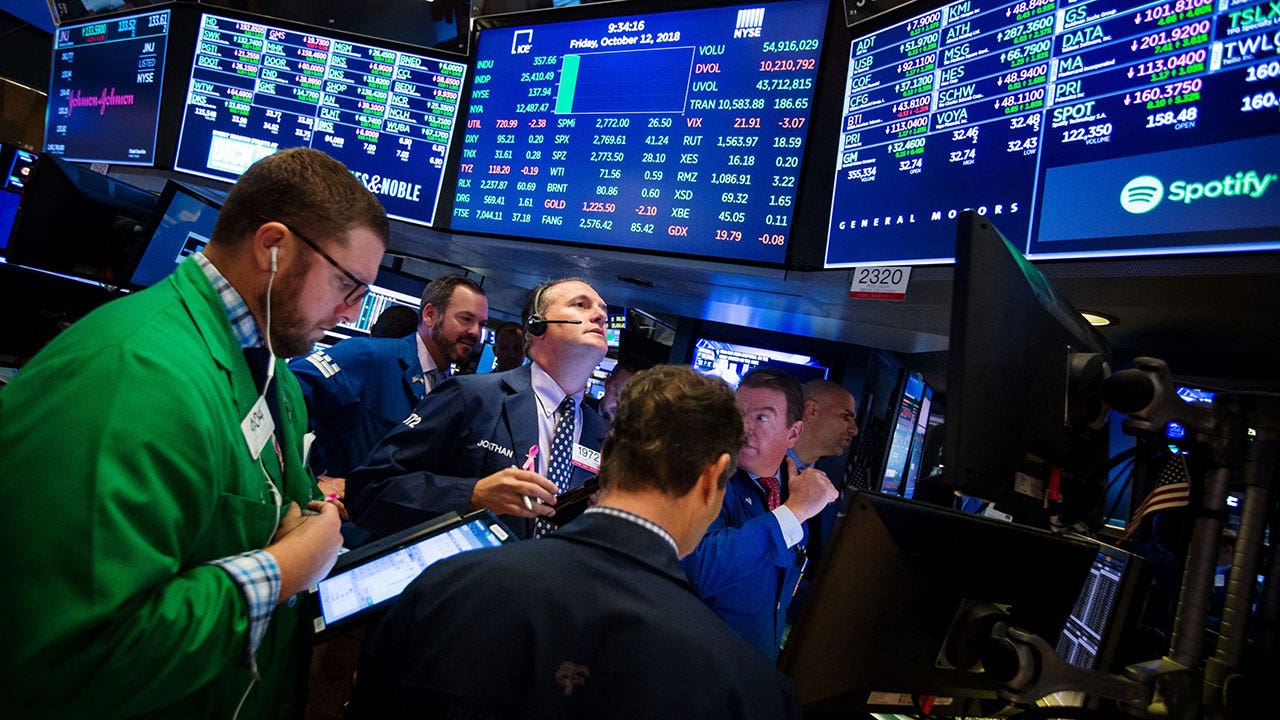
The timing also added to the tension. The broader market was already soft, and the outages landed while major indexes were sliding toward their session lows, which made the whole episode feel even more brittle.
The S&P 500 was down more than 1.8% around the time the banking trouble was making the rounds, while the Dow Jones Industrial Average fell over 1.3% and the Nasdaq Composite dropped more than 2.2%. Traders were already in a cautious mood, so a burst of banking friction only sharpened the nervous tone.
For customers, the most important detail was simple: account access was still there, even if the systems were dragging. That may calm some nerves, but it does little to make a stalled transfer, a failed login, or a bill payment that will not go through feel any less annoying in the moment.
