
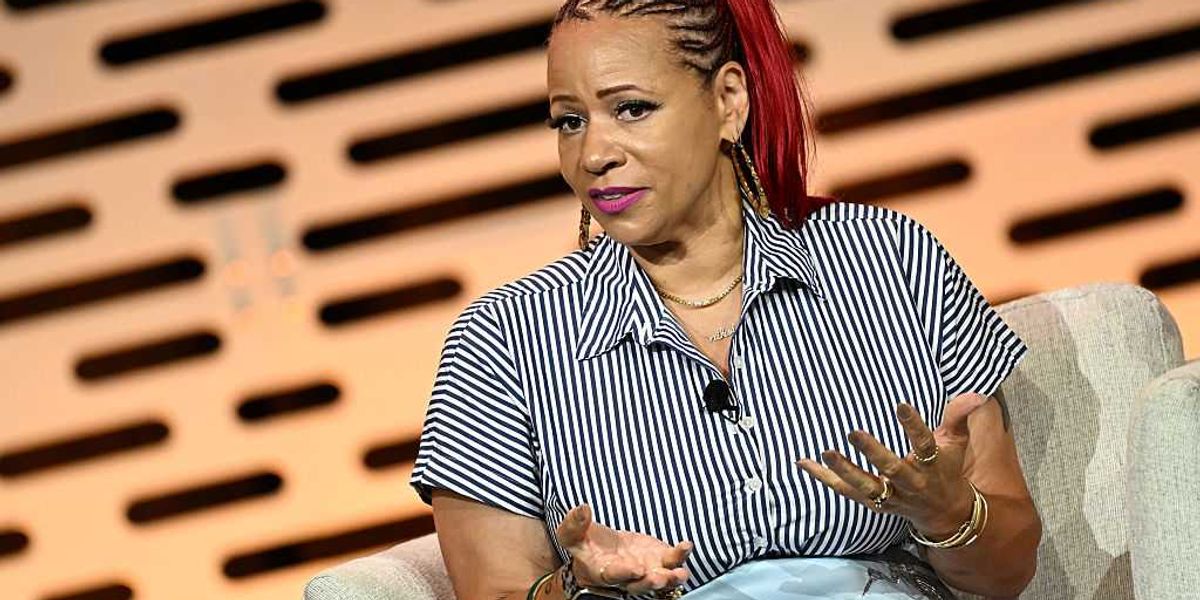
Nikole Hannah-Jones has become one of the loudest voices in the fight over American education, but the real story is how familiar complaints about schools keep running into the same hard truths. Parents want results, not slogans, and classrooms do not get better just because a fashionable theory sounds righteous. When kids are stuck in weak schools, the damage shows up fast and sticks around for years.
Hannah-Jones has built a reputation around the idea that public education failures are mostly about race, power, and segregation. That framing may sound bold, but it often leaves out the daily reality families care about most: whether children can read, write, and do math at grade level. The more schools turn into battlegrounds for ideology, the more ordinary students pay the price.
There is a reason so many parents across different backgrounds are tired of being talked down to by education elites. They can see when schools spend more energy on buzzwords than on basics, and they know that no child learns better in a classroom ruled by confusion and politics. A school can claim moral authority all day long, but if students cannot master the fundamentals, that authority is paper-thin.
Mississippi has become a useful reminder that public education debates are not as simple as activist narratives make them sound. The state has often been mocked by critics, yet it has also shown that steady focus on academics and accountability can produce real progress. That kind of improvement does not come from speeches about systems alone, but from keeping attention on what children actually need.
School choice keeps surfacing in these conversations because it gives families something powerful: options. Instead of trapping children in failing schools and asking parents to accept excuses, it lets families move toward environments that fit their needs better. That is exactly why critics of choice work so hard to shut it down, even while defending systems that too often serve adults more than students.
The problem with so much modern education commentary is that it treats disagreement as evidence of moral failure. If someone points out that standards have slipped, that discipline has weakened, or that test scores are embarrassing, the response is often a lecture about history rather than a plan to fix the present. Kids do not get a better future by being used as props in an argument.
New York City schools have long been a symbol of how bloated systems can drift far away from the families they claim to serve. Huge bureaucracies tend to protect themselves, and once that happens, students become background noise. Parents notice when schools are more committed to messages than mastery, and they are not wrong to demand something better.
That is why the debate around figures like Hannah-Jones keeps getting bigger. She represents a broader worldview that treats public education as a stage for ideology, while many families simply want schools that teach effectively and respect them enough to tell the truth. The split between those two visions is sharp, and it is not going away anytime soon.
Woke messaging can create a lot of noise, but it does not raise a child’s reading level or help a teenager solve algebra. Schools succeed when they are serious, orderly, and focused on the actual work in front of them. The rest is commentary, and families have heard enough commentary already.
