
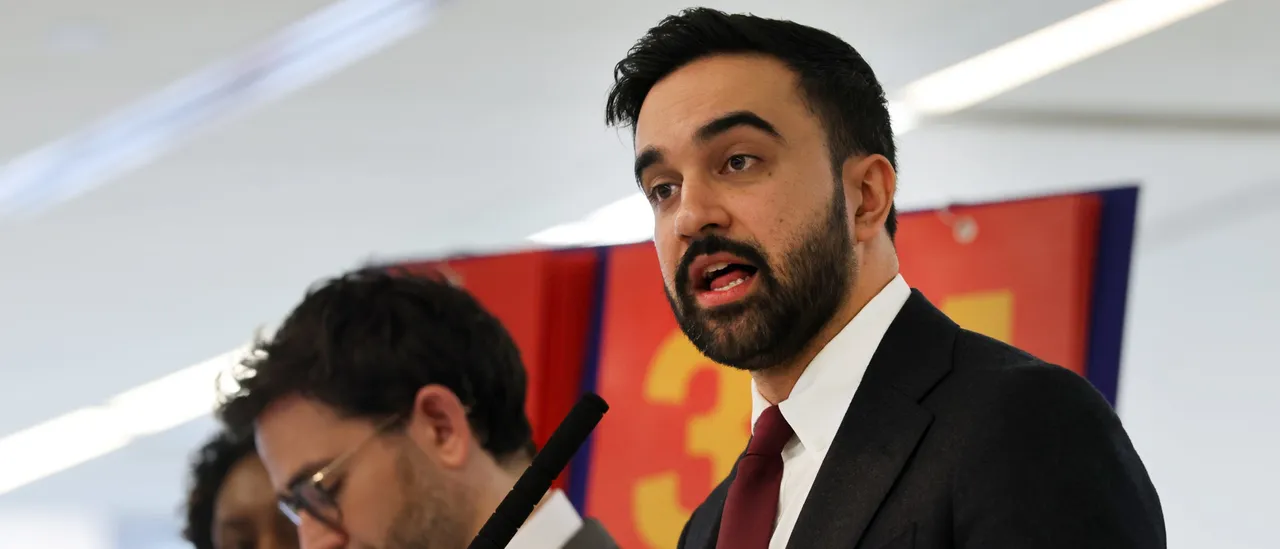
This piece looks at New York City Mayor Zohran Mamdani’s plan to expand free services while emptying financial cushions, the specific reserve grabs he’s proposed, the remaining budget gap, and why a conservative view sees this as risky for taxpayers, retirees, and the city’s fiscal future.
Zohran Mamdani campaigned on bold promises: no-cost childcare, fare-free buses, and city-owned grocery stores for neighborhoods that need them. Those are politically appealing ideas that sound compassionate and modern. But good intentions do not cancel out the arithmetic of budgets and long-term obligations.
The mayor’s budget maneuvers include drawing down long-established reserves that were created precisely for unexpected shocks. Reports show plans to pull roughly $1 billion from general reserves, nearly $980 million from the Rainy Day Fund, and $229 million from the Retiree Health Benefits Trust. Even after those moves, a $3.7 billion shortfall reportedly remains, which should raise every taxpayer’s alarm.
Critics point out, and rightly so, that those reserve funds are not party favors to be spent when a headline program requires quick financing. “tossing aside some of the office’s most reliable safety cushions,” is exactly what observers say Mamdani is doing, and that phrase needs to be taken literally, not waved away. Using rainy day cash for routine expansion is fiscal malpractice, not bravery.
When reserves are stripped down, the city loses the ability to handle real emergencies without imposing sudden tax hikes or service cuts. Markets and bond investors notice when a city erodes its reserves, and that shows up as higher borrowing costs for everyone. Higher interest rates on municipal debt are paid by New Yorkers in the form of higher taxes, lower services, or both.
There is also an equity problem hidden behind the nice-sounding programs: retirees and the city workforce depend on the health benefits fund to meet long-term obligations. Tapping that pot to pay for current promises shifts the burden onto future budgets and future workers. It is the definition of kicking costs down the road, a practice conservatives argue will disproportionately hurt the middle class.
Proposals like city-owned grocery stores and free transit are appealing at first glance, but implementation is messy and expensive. Running grocery stores requires expertise, supply chains, and sustained subsidies, not just one-time checks. Fare-free transit shifts costs to municipal budgets and can reduce service quality if funding is not consistent and reliable.
From a taxpayer perspective, the crucial question is sustainability: can these programs survive a recession or a spike in borrowing costs? History shows cities that spend reserves in good times and then face downturns end up enacting harsh austerity measures later. Cutting corners now simply defers pain and amplifies it when the next crisis hits.
A better conservative approach would defend core services and pursue targeted reforms to expand opportunity without mortgaging the future. That means rooting out waste, renegotiating contracts where possible, and directing aid to those who need it most rather than universal giveaways. Private sector partnerships and means-tested programs can stretch limited dollars further without breaking reserve funds.
Mamdani can still pursue creative policy within fiscal limits, but it requires realism about trade-offs and responsibilities to taxpayers and retirees. Voters should demand transparent accounting and a clear plan for how new programs will be funded beyond a one-time raid on reserves. Responsible governance means protecting the safety cushions that keep the city afloat when trouble arrives.
If the city wants to expand services, it should present a phased, accountable rollout with identified recurring revenue or clear spending offsets. That keeps promises credible and avoids surprise tax hikes or service cuts down the line. New Yorkers deserve vision backed by honest math, not headline-grabbing moves that end up costing more than they save.
