
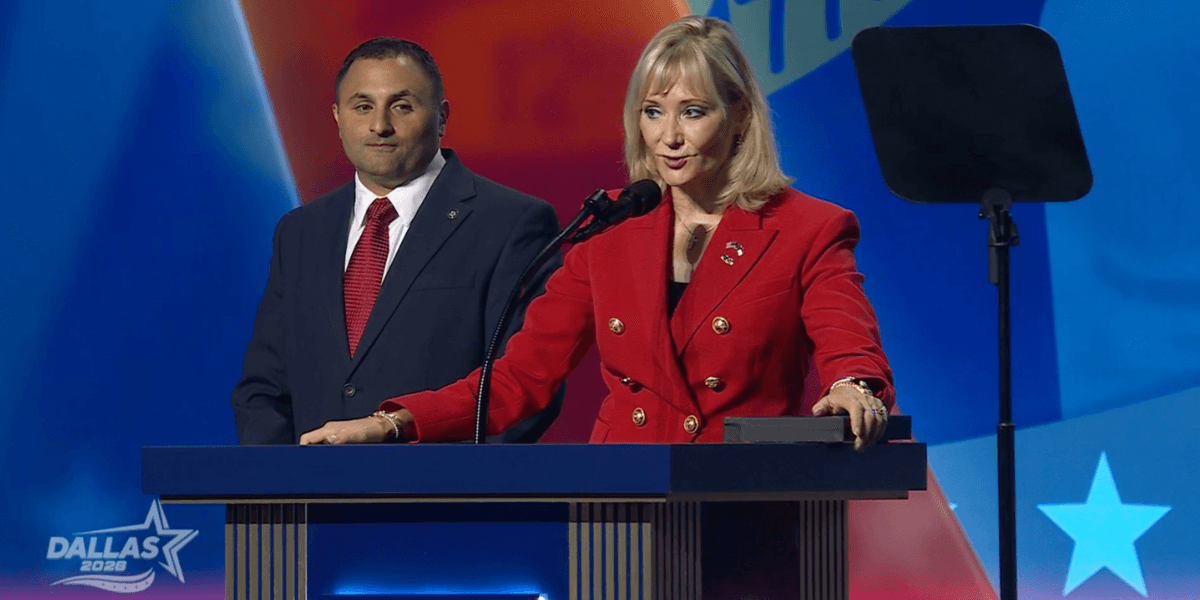
Republicans used the RNC stage to put a sharper edge on the battle for North Carolina, with Sergeant Sam Elias and U.S. House candidate Laurie Buckhout drawing attention to the kind of message that plays well with voters who are tired of excuses. The moment carried the feel of a campaign rally and a warning shot at the same time, mixing military grit, local pride, and a clear push to win ground in a state that can swing hard when energy is on the right side.
Sam Elias brought a veteran’s presence that tends to land fast with a crowd. Buckhout matched that tone by speaking as a candidate who wants to meet voters where they are, not where party insiders wish they were. Together, they framed the Republican message around strength, discipline, and a plainspoken refusal to let Democrats define the mood of the race.
North Carolina has become one of the places where political momentum can shift in a hurry. That makes every stage appearance matter, especially when the goal is to turn a national convention into something that feels local and immediate. Republicans know that voters in the state respond to candidates who sound grounded, direct, and focused on the issues that hit home.
The RNC setting gave the moment extra weight, too. Conventions are usually packed with noise, but the strongest speeches are the ones that cut through the clutter and leave a simple impression. In this case, the impression was unmistakable: conservatives want a tougher, cleaner, more confident message, and they want it delivered by people who look and sound ready for a fight.
Buckhout’s role also matters because House races often become the front line of larger political battles. When a Republican candidate gets a spotlight at a national gathering, it is not just about applause in the room. It is about building trust with voters back home and showing that the campaign is part of a bigger push to flip attitudes, turnout, and ultimately seats.
Democrats have leaned heavily on national branding for years, but that strategy runs into trouble when voters are focused on real-world concerns. The cost of living, security, and a sense that leaders have drifted too far from everyday people remain potent issues. Republican candidates who keep the language simple and the stakes high often have an easier time connecting with the middle of the electorate.
The pairing of Elias and Buckhout also sent a message about coalition-building. Military service, public credibility, and campaign ambition can be a powerful combination when the goal is to reach beyond the usual partisan crowd. It helps create the sense that the party is not just preaching to the base, but assembling a team that can actually persuade, organize, and win.
That kind of energy is what conventions are supposed to bottle. When the party is aligned and the speakers sound like they believe every word, the crowd usually feels it right away. The challenge is carrying that intensity past the stage and into neighborhoods, county fairs, town halls, and kitchen-table conversations where elections are really decided.
North Carolina has seen enough political churn to know the difference between talk and traction. Republicans are trying to make sure the message from the RNC does not fade once the lights go down. The real test is whether voters keep hearing a tone of confidence, clarity, and resolve all the way into Election Day.
