
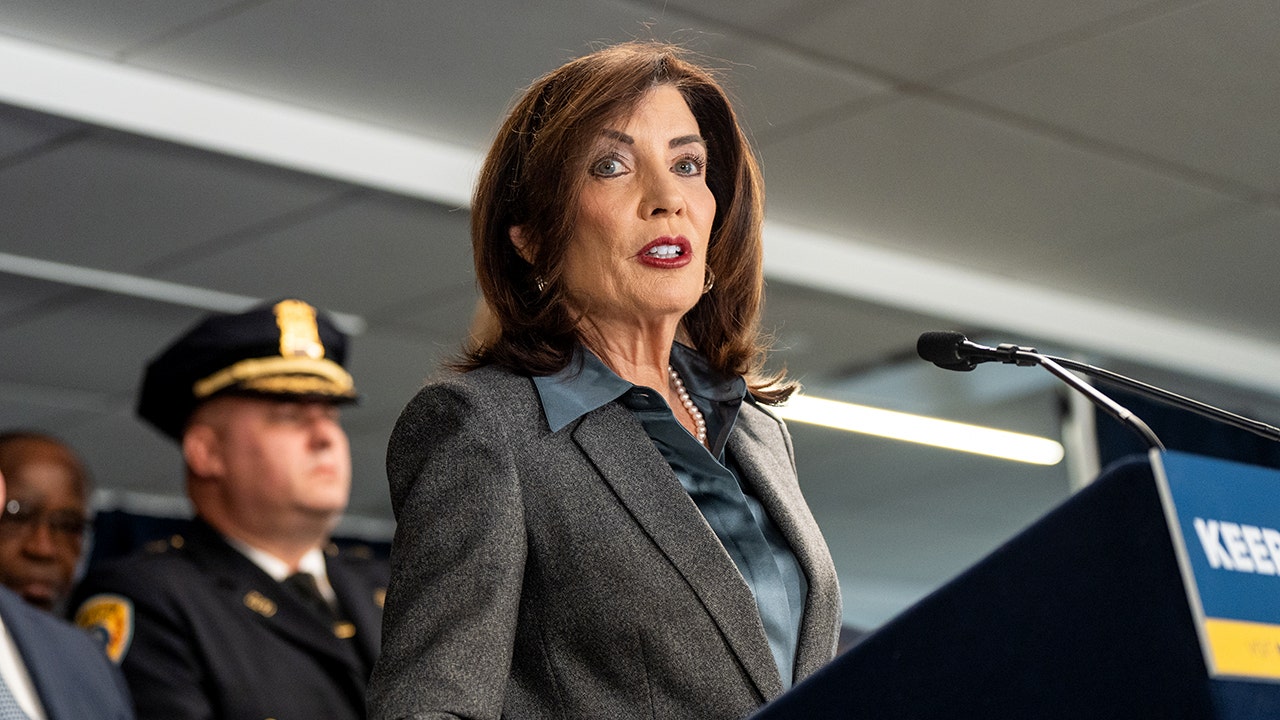
New York has stepped in with a statewide emergency as measles keeps ripping through parts of Pennsylvania and adding pressure across the Northeast. The move comes amid a sharper national outbreak, more public warnings about exposure, and a push to widen access to vaccination and testing before the disease spreads even further.
- Measles cases are climbing in Pennsylvania and New York
- New York has declared a statewide emergency
- The outbreak has triggered broader vaccine access measures
- Health officials are warning about possible public exposures
- Measles remains a serious and highly contagious disease
Gov. Kathy Hochul said the emergency declaration was meant to keep a vaccine-preventable disease from turning into something far worse. It is the first emergency order of its kind since measles began surging again in 2025, a sign of just how serious health leaders believe the situation has become.
Pennsylvania has reported 977 measles cases and five deaths as of Oct. 2, with many infections concentrated in rural communities. New York has logged 108 cases, and officials are now trying to stop the virus from finding more openings in crowded places, schools, and travel hubs.
One of the biggest concerns has been possible exposure at Philadelphia International Airport, where travelers were warned they may have come into contact with the virus in select areas. That kind of alert can move fast through the public because measles spreads with alarming efficiency, especially when immunity gaps start showing up.
Hochul paired the emergency declaration with an executive order aimed at getting shots into arms faster. The order expands the list of health professionals who can help administer measles vaccines, including pharmacists who can vaccinate children as young as 2, which gives families more places to turn when time matters.
The order also lets registered nurses order tests for suspected measles and requires MMR vaccinations to be reported to state or New York City immunization registries within 72 hours. For adults, the reporting rule waives consent, a move designed to speed tracking and strengthen the state’s grip on the outbreak.
Health leaders in Pennsylvania and Philadelphia have already been scrambling to protect the most vulnerable, especially infants who may have been exposed. The Children’s Hospital of Philadelphia joined in that effort last month, saying teams were working closely to make sure potentially exposed babies could receive a preventive antibody product that might stop severe illness or at least blunt its impact.
That urgency is being driven by a broader national reality. The U.S. is having its worst year for measles since 1991, with nearly 3,900 cases reported by the Centers for Disease Control and Prevention. That number carries real weight because measles is not just another rash illness, it is fast, stubborn, and dangerous when it gets loose in communities with low protection.
Philadelphia Health Commissioner Dr. Palak Raval-Nelson said the exposures should serve as a reminder that staying current on vaccinations still matters. That message has become even louder as public health officials keep seeing how quickly one exposure can snowball into a cluster of sick patients, worried families, and extra strain on local hospitals.
Officials are also telling exposed people to pay close attention to their own risk. Anyone who is not immune, does not know their vaccination status, is an infant, is pregnant and not immune, or is immunocompromised should contact a doctor, especially if symptoms start showing up.
The warning is not just about avoiding the doctor’s office, but about protecting everyone else in the room. Health departments say anyone who may have measles symptoms should call ahead before going to a clinic or hospital and explain the possible exposure first, since one unplanned visit can put others at risk.
Measles remains one of the most contagious viruses around, and the numbers behind it are ugly. Data show it can be fatal in one to three patients per 1,000 cases, while nearly 20% of people who catch it end up hospitalized, with complications like pneumonia and brain swelling making the illness much more than a simple childhood memory.
