
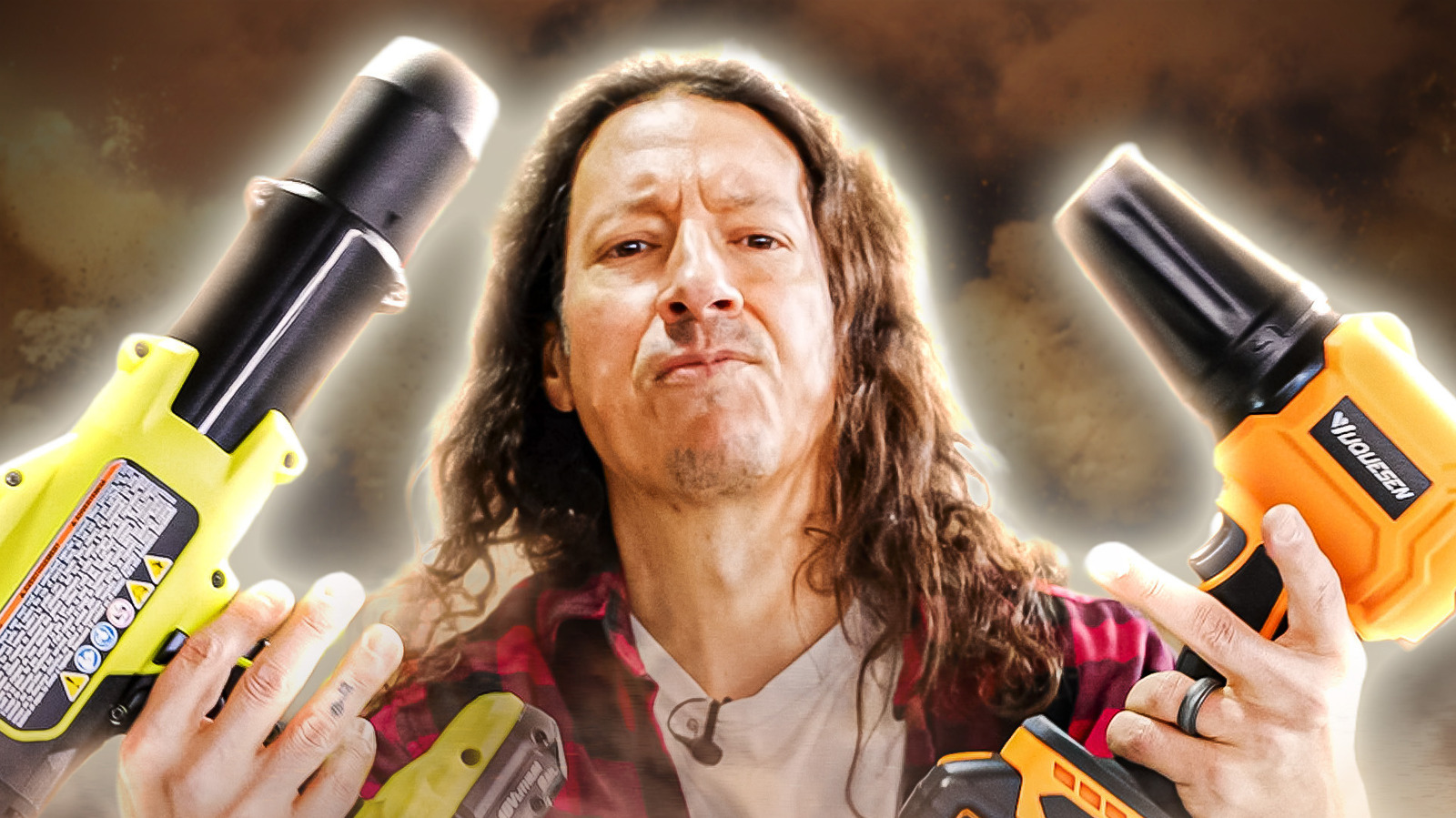
Mini leaf blowers promise compact convenience for small yards and tight storage, and this piece cuts through the marketing to weigh the real-world tradeoffs: portability, power, noise, battery life, and cost. Read on for a clear, practical take on whether these small blowers earn a spot in your garage or if a different tool makes more sense.
Compact blowers shine where space is tight and tasks are light. If you live in an apartment complex with a balcony, a small townhouse, or a condo with a narrow storage closet, the smaller footprint matters more than raw horsepower. They slip into crowded closets, tuck under benches, and are easy to carry up stairs, which means you’ll actually use them instead of letting them rust in the shed.
Power is the place most people worry about, and rightfully so. Mini units won’t match a full-sized gas blower for force, but many cordless models deliver enough airflow to move leaves, grass clippings, and light debris from patios and driveways. For routine tidy-ups and seasonal light clearing, the output is usually adequate; if you need to shift soaked leaves, heavy mulch, or large piles, a bigger unit will save time.
Battery life and runtime are the real hinge for cordless mini blowers. Short runtimes under heavy load frustrate users who expect constant performance; some models struggle after ten to twenty minutes on high. However, newer batteries and more efficient motors have pushed runtimes closer to practical levels for small properties, and carrying a spare battery can turn a short session into a problem-free chore.
Noise matters for neighbors and early-morning chores, and smaller blowers typically win on this score. They generally run quieter than gas machines, which reduces complaints and makes them welcome in noise-sensitive areas. If you frequently work in the early morning or near shared walls and windows, the lower decibel levels are a real quality-of-life improvement.
Cost is another common doubt. Mini electric models often start at a budget-friendly price, but true value depends on battery systems and build quality. If you already own a battery platform from a brand, adding a small blower can be cheap and convenient; if you buy a standalone unit with a proprietary battery, the initial savings can disappear after the first recharge.
Maintenance and long-term reliability are advantages for the small electric category. No oil changes, fewer moving parts, and simpler cleaning make them low-maintenance compared with two-stroke gas engines. That ease of care matters if you prefer tools that are ready to work without seasonal tune-ups or trips to the repair shop.
Think about tasks and frequency before buying to match the tool to the job. A mini blower makes sense for someone who does light, frequent cleanups, has limited storage, or needs quiet operation. If your property produces heavy debris, if you clear large lawns, or if you rely on power for extended periods, consider a larger electric or gas model instead.
Practical tips for shopping help avoid disappointment: test for comfort and balance, check real-world runtime under load, and prioritize models with swappable batteries if you plan frequent use. Look for warranties and user feedback on durability so the unit survives a few seasons of regular work. With the right expectations, a compact blower can be a smart, convenient choice rather than a frustrating compromise.
