
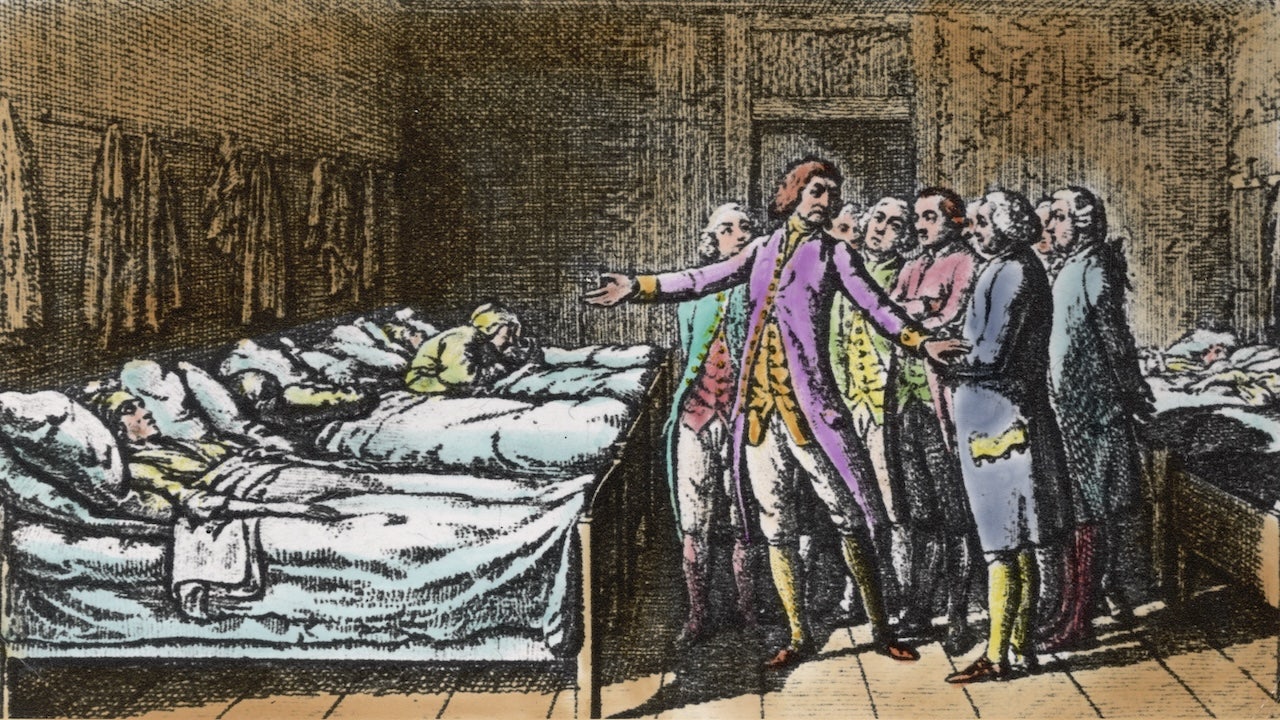
Across 250 years, the medical picture of America changed from explosive infectious outbreaks to a landscape dominated by chronic illness, driven by breakthroughs in sanitation, drugs and surgical care and by modern lifestyle shifts that now shape how and why people die.
Two and a half centuries ago, common infections were often fatal because there were no antibiotics, few vaccines and little knowledge of germs. Clean water, sewage systems and refrigeration were rare, which made foodborne and waterborne diseases a constant threat to communities. Hospitals and sterile surgical techniques were limited, so many routine injuries and infections could become deadly.
“The amount of changes that have happened over the past 250 years are immeasurable when it comes to life expectancy and disease,” Kenneth J. Perry, M.D., an emergency physician in Charleston, South Carolina, told Fox News Digital. “Our life expectancy as a country increased from roughly 30 years at the time of the country’s founding to close to 80 years today.” That jump didn’t happen overnight, but it reflects steady public health and medical advances.
Official national mortality tracking only began in earnest in the early 20th century, and records from that era show a very different killer list. Pneumonia, tuberculosis and diarrheal diseases were among the top causes, and childhood deaths made up a large share of total mortality. Those patterns underline how much modern prevention changed the odds for infants and adults alike.
The mid-1900s brought seismic shifts. The widespread use of penicillin transformed once-fatal infections into treatable conditions, slashing deaths from pneumonia, strep and sepsis. Improvements in childbirth care, from prenatal monitoring to C-sections and neonatal intensive care, dramatically reduced maternal and infant fatalities that were common in earlier centuries.
Cardiovascular care also evolved fast: CPR, defibrillators, coronary care units, bypass surgery, stents and modern medications started to chip away at heart disease deaths. As those acute threats receded, more people lived long enough to develop chronic conditions, which changed the profile of what kills Americans today. That shift is proof of medical progress, but it also creates a new set of problems to solve.
“The transformation of deaths in the last 250 years, largely from infectious diseases to currently chronic debilitating diseases, represents both success and new challenges Americans will have to face,” Dr. Omer Awan, a physician and professor at the University of Maryland School of Medicine, told Fox News Digital. The victory over many infections highlights how prevention and treatment can reshape public health, but it also reveals vulnerabilities tied to modern life.
Many of the current top killers are tied to long-term lifestyle and metabolic issues rather than short, contagious infections. “The chronic disease epidemic has been fueled by lack of exercise, as well as diets rich in fats, salts and ultraprocessed foods,” he told Fox News Digital. “This has also led to the rise of obesity, which contributes to many of the chronic medical conditions that are among the top killers for Americans in the modern era.”
Tackling chronic disease requires different tools than the ones that defeated infectious threats: policy and cultural shifts around diet and activity, better prevention in primary care and innovations in metabolic medicine. “Just as vaccines and antibiotics prolonged life centuries ago, so can lifestyle changes, exercise and new therapies that target obesity — like GLP-1 drugs and medications that promote better metabolic health.” Those options show promise, but they will need public buy-in and careful implementation.
Looking back makes one thing clear: progress is possible. From basic sanitation to advanced cardiac surgery, each generation has added new defenses against what used to kill us. The challenges now are more drawn out and complex, but the tools to address them are growing, and history shows that investment in public health and medical innovation can change life and death for millions.
