
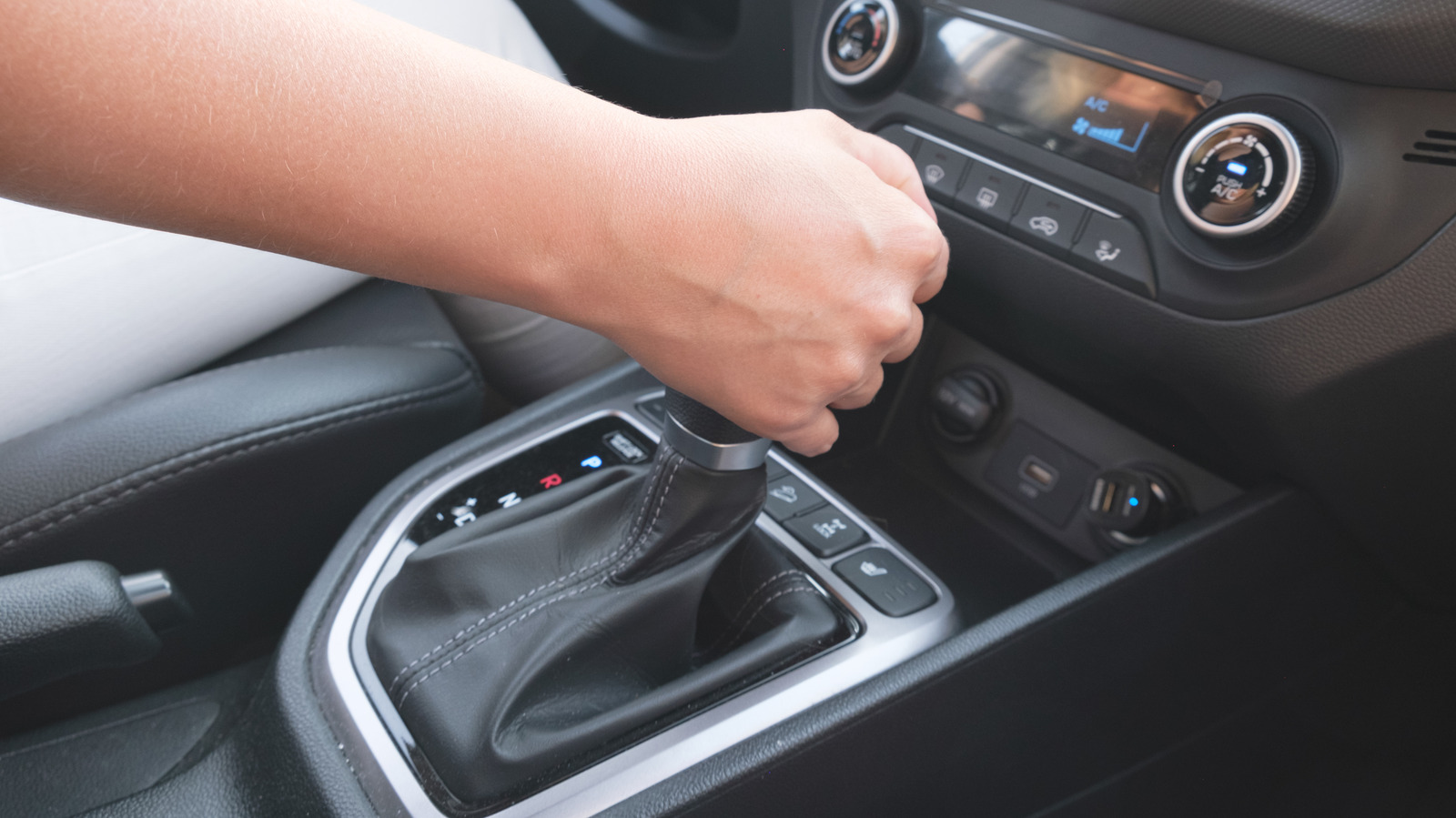
Driving a stick isn’t just nostalgia; it’s about direct mechanical feedback and a level of control that lets you bend the usual sequence of driving actions when conditions call for it. This piece explores why some maneuvers feel “out of order,” which techniques drivers use, and when those choices improve safety or performance without being reckless. You’ll get practical insight into shifting choices, engine behavior, and how modern cars change the calculus.
When you control gears and clutch, you gain options beyond the automatic’s fixed routines. That freedom lets experienced drivers shift earlier or later than textbooks suggest, slip the clutch to smooth starts, or use the engine to slow the car without touching the brakes. These moves are not about showing off; they’re pragmatic tools for traction, hill starts, and coordinating power delivery in tricky spots.
One common technique is rev-matching on downshifts, where you blip the throttle to sync engine speed with the lower gear. It prevents upset to the driveline and keeps the rear tires from hopping under corner load, which matters on slick roads and spirited driving alike. Done properly, rev-matching feels seamless and reduces wear compared with harsh, unsynchronized shifts.
Heel-and-toe is the classic example where hands and feet work in an unconventional order to keep speed, brake, and revs in balance during a turn-in. It’s a coordinated dance: brake with the ball of the foot, blip the throttle with the heel, and drop the gear with the hand. In daily life it’s overkill, but in performance situations it preserves stability and helps the driver arrive at the apex with the right momentum.
Starting in a higher gear, like second, is another “out of order” trick that can reduce wheelspin when grip is low. It raises the load on the engine so the tires don’t spin as easy, which can be the difference between moving forward and digging a rut on ice or gravel. The trade-off is slower acceleration, so drivers only use it when the surface or conditions demand it.
Engine braking is an underappreciated way to control speed without constant brake use, especially on long descents where overheating pads is a risk. Downshifting to let the engine absorb energy keeps the brakes cooler and gives you a predictable, steady slowdown. It does require attention to gear selection; jerky downshifts can unsettle the car, so matching revs and choosing the right ratio matters.
Modern manuals and dual-clutch systems have changed the landscape by making precise shifts easier or automating tasks like rev-matching. That doesn’t eliminate the value of manual skills, but it does shift when drivers need to intervene. In performance cars, electronics might bail you out of errors, while in older rigs the driver’s technique directly governs longevity and safety.
There’s a practical etiquette to these techniques: use them to increase control, not to impress. Aggressive clutch slipping or repeated high-rev downshifts can cause wear and waste fuel, so apply these maneuvers with purpose. When used thoughtfully, doing things a little out of order isn’t reckless; it’s an expression of control that can make driving safer and more satisfying.
