
The biggest moons in our solar system are anything but boring. They range from familiar, icy, and heavily cratered to wild, volcanic, and weirdly promising for life. Here’s a look at five natural satellites that stand out not just for their size, but for the personalities they seem to carry in the dark.
For most of human history, the Moon was the only satellite people knew existed. That changed fast once telescopes entered the picture, and now astronomers have identified hundreds of moons orbiting planets across the solar system. Some are tiny and forgettable, but the giants are packed with enough drama to keep scientists busy for decades.
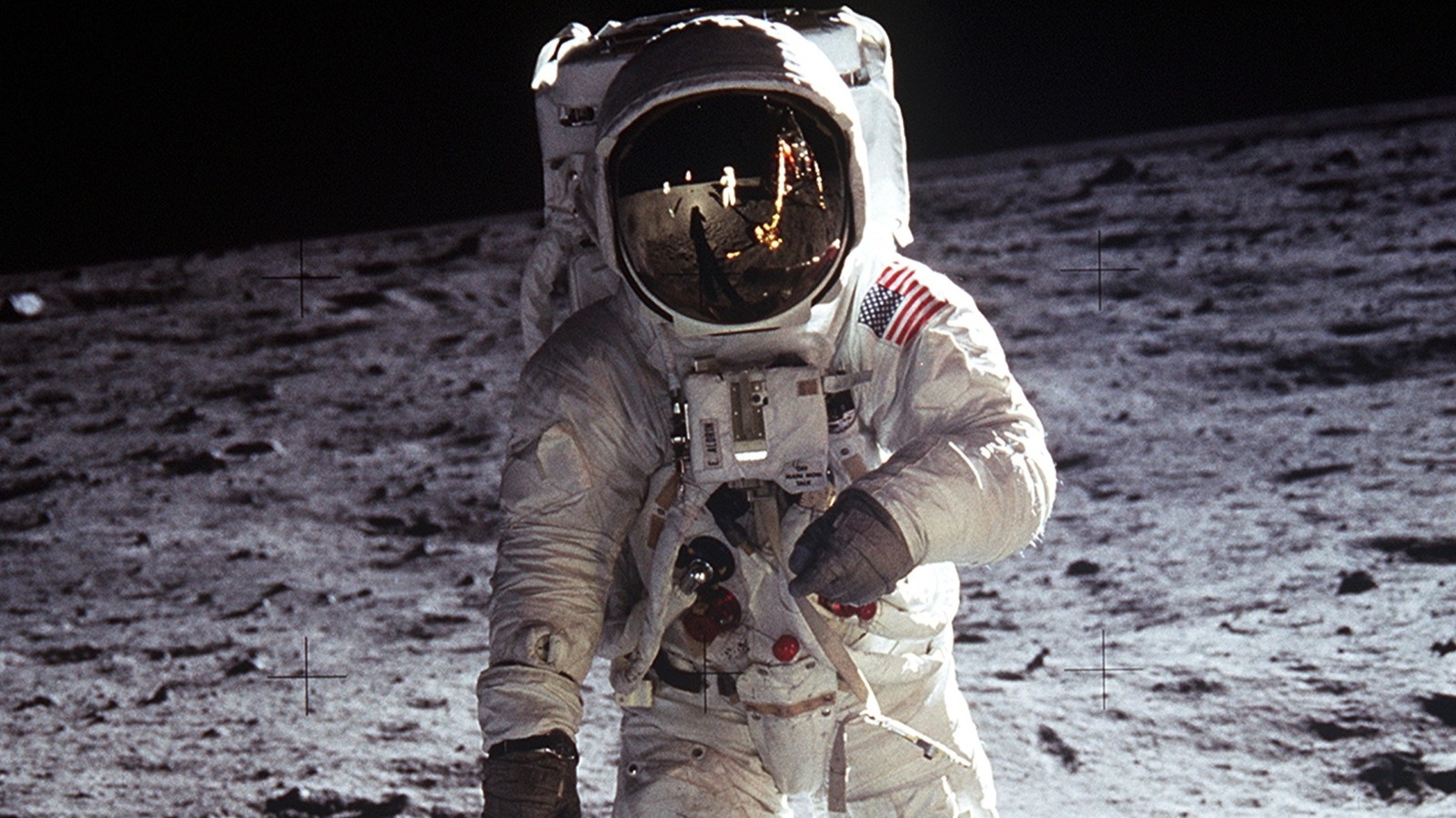
The Moon is the one everyone knows best, and for good reason. It sits about 240,000 miles from Earth, drives the tides, and has shaped human imagination for ages. Its size is unusual too, since it measures about 2,160 miles across, which is a lot for a moon that orbits a rocky planet like Earth.
Scientists still debate exactly how the Moon formed, but the leading idea is a huge collision early in Earth’s history. That impact probably sent material into orbit, which eventually clumped together into the Moon we see now. It also happened to be the first world beyond Earth that humans actually stepped on, turning a distant light in the sky into a place with footprints.
Io, one of Jupiter’s moons, looks small next to the gas giant, but it has no interest in being plain. It is slightly larger than Earth’s Moon at about 2,264 miles wide, and it holds the title of the most volcanically active body in the solar system. More than 400 active volcanoes keep its surface in constant motion, which makes it one of the most restless places astronomers study.
That chaos comes from tidal heating, caused by Jupiter’s powerful gravity squeezing Io as it orbits. The result is a world that never really settles down, even though it is freezing cold overall, with temperatures around -202 degrees Fahrenheit. It is the kind of moon that looks like it should be hot enough to melt steel, yet the cold rules the surface while the volcanoes keep roaring underneath.
Callisto takes a completely different approach. Also discovered by Galileo, it measures about 2,996 miles in diameter and has a battered, ancient surface that tells a long and quiet story. Unlike Io, Callisto barely changes, and that stillness is part of what makes it so useful to scientists.
Its surface is covered in craters and is thought to be around 4 billion years old, making it one of the oldest landscapes in the solar system. There is no strong geologic activity to smooth things over, so the scars remain frozen in place. Even so, Callisto may hide a salty ocean deep below the crust, which keeps it in the conversation when researchers talk about possible habitats for life.
Saturn’s Titan brings a completely different kind of strangeness to the table. At about 3,200 miles wide, it is the second-largest moon in the solar system and has an atmosphere thicker than Earth’s, which already sounds upside down. Most of that air is nitrogen, with methane mixed in, and the surface is cold enough to turn water ice into something rocklike.
Titan is especially fascinating because it has lakes, weather, and a chemistry that feels oddly Earth-like in some ways and completely alien in others. The Cassini mission found signs of an underground ocean that could be rich in salt and ammonia, which gives scientists a real reason to keep looking. The Huygens probe even dropped onto Titan and sent back data from the surface, making it one of the few places in the outer solar system we have actually touched.
Then there is Ganymede, the heavyweight of them all. Orbiting Jupiter, it measures about 3,270 miles across, which makes it larger than Mercury and the biggest moon in the solar system. It is also the only moon known to have its own magnetic field, a rare trait that makes it stand apart from the rest.
That magnetic field creates auroras, giving Ganymede a visual spectacle most moons can only dream about. Beneath its icy crust, scientists suspect a massive saltwater ocean may exist, possibly far deeper than any ocean on Earth. With a thin oxygen atmosphere, a cratered surface, and temperatures that plunge far below what most life could tolerate, Ganymede still manages to feel like a world with secrets worth chasing.
