
• Socialism and the promise of dignity
• Cuba’s reality under government control
• The projected cost of DSA-style policies
• Taxpayers, growth, and economic freedom
• Government power versus individual choice
When socialism is sold as a path to dignity, it sounds clean and uplifting. But the shine comes off fast when the promises meet real life, real budgets, and real human consequences. That gap between slogan and reality is where the whole argument turns hard and ugly.
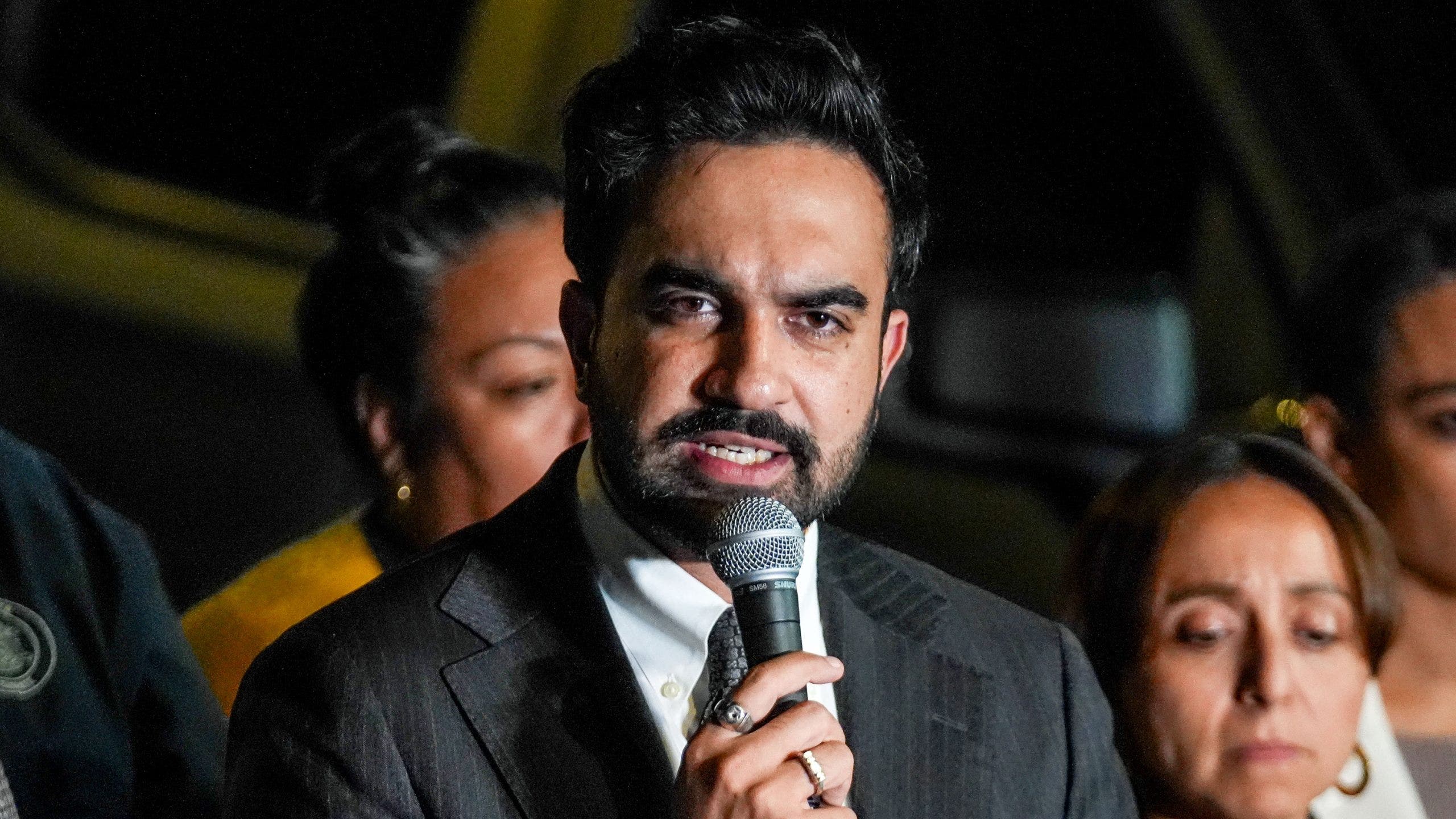
A recent comment from New York City Mayor Zohran Mamdani put the idea bluntly, saying: “Socialism to me, it means that you will have whatever you need to live a dignified life, and that it is the government’s job to deliver on that.” That sounds comforting on paper. It sounds a lot less comforting if you have lived under a system where government decides too much and people end up with too little.
For anyone who grew up in Cuba, the word socialism does not bring a warm glow. It brings memories of scarcity, broken promises, and a daily life shaped by limits. The claim that government control creates dignity runs headfirst into the Cuban experience, where shortages and repression were part of the package.
That is why the new White House Council of Economic Advisers report is getting so much attention. It puts a big number on seven major Democratic Socialists of America proposals, estimating the cost at more than $49 trillion over 10 years. Spread across American households, that lands at roughly $355,000 per family, which is the kind of figure that should make everybody sit up straight.
The biggest chunk of that burden comes from Medicare for All, which the report pegs at about $47.4 trillion by itself. Add in student debt cancellation, free college, a 32-hour workweek, Green New Deal-style policies, and rent control, and the total gets even more staggering. These are not small tweaks around the edges. They are sweeping changes that would reshape how the country works and who pays the bill.
And that bill is the real question. Big promises always sound noble until somebody has to explain where the money comes from, how it gets collected, and what happens when taxpayers are the ones left carrying the load. Trillions do not appear out of thin air, and they do not come without consequences for wages, investment, jobs, and growth.
The deeper issue is control. Once government becomes the main force behind healthcare, housing, wages, and work hours, ordinary people lose the freedom to make more of their own choices. The same politicians who talk about fairness end up deciding what counts as fair, who gets what, and how much room families have left to breathe.
That is where the word dignity gets turned upside down. Real dignity is not handed out by bureaucrats in an official program. It comes from the ability to work, earn, save, build, own, and direct your own life without asking permission every step of the way.
Licensing rules are a perfect example of how government power can quietly squeeze people. The more hurdles placed in front of someone starting a business or trying to move ahead, the harder it becomes to create a future on their own terms. A system that claims to help working people can end up making work itself more difficult.
There are better answers to expensive healthcare, soaring housing costs, and economic anxiety. Lower taxes, fewer regulations, and a competitive free market can do more to open doors than another layer of centralized control. Those ideas may not sound as dramatic as a grand socialist promise, but they leave more power where it belongs, with the people living the consequences.
Freedom matters because it protects disagreement, initiative, and the right to choose a different path. Americans do not all have to want the same thing, and they do not need a government system that treats that diversity like a problem to be fixed. The more power the state takes for itself, the less room there is for people to think, act, and build for themselves.
That is the part too many defenders of socialism never seem to answer. If the government can define your dignity, it can also limit it, ration it, and take it away. And once that door is open, the price is paid not just in dollars, but in freedom.
