
The mayor quietly pulled a planned increase in NYPD officers from his final budget after pressure from his socialist allies, leaving city leaders and residents scrambling to square crime trends with promises to cut costs. This piece walks through the budget numbers, the mayor’s explanation, opposition from City Council leaders, activist demands, and how the NYPD says it will manage with the current roster.
Mayor Zohran Mamdani’s final budget dropped the previously agreed boost in staffing that would have added 580 officers. The $125.8 billion plan had been expected to include roughly $70 million to pay for those hires, but the mayor backed off under political pressure. That move has put the focus back on public safety at a moment when many New Yorkers want clearer answers.
Progressive groups demanded the flip and made their position loud and clear. ‘We are calling on Mayor Mamdani to reverse this proposed expansion of the NYPD.’ The pressure from those groups clearly shaped the final decision.
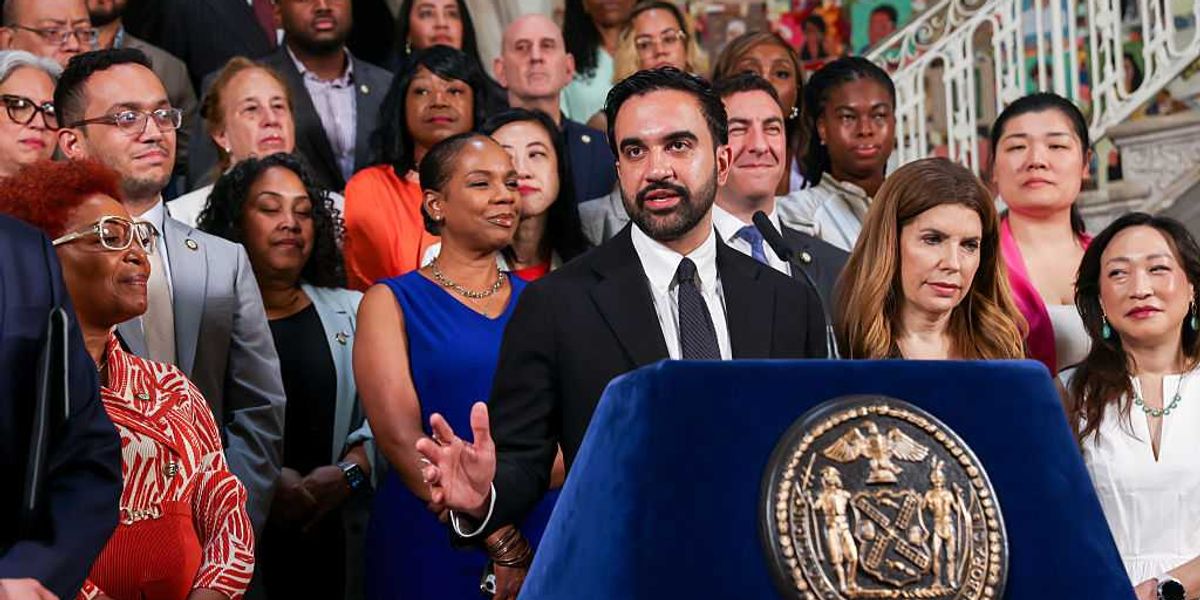
Mamdani says the change came after a review of agency budgets and efficiency options. “I’ve been talking to all agency heads about ways to find savings, and [Police Commissioner Jessica Tisch] and I were able to identify ways to keep the NYPD head count at the originally authorized 35,000 while also meeting all of our crime-fighting needs and implementing the new programs that were announced earlier this year,” Mamdani said during a press conference Tuesday.
The night before the final budget vote, City Council Speaker Julie Menin (D) she received a call from the mayor informing her of his agreement with Tisch to cut the officer increase from the budget. “I disagree with that decision. … I do believe we need those officers,” Menin said, citing concerns over increasing rape, felony assault, and subway crime numbers. “We are going to fight for it now,” she added.
The NYPD’s line budget did go up by roughly $300 million even as the hiring boost was removed. Activist groups like NYC Democratic Socialists of America pushed hard for a flat head count and more community spending instead. “We are calling on Mayor Mamdani to reverse this proposed expansion of the NYPD and invest the money in community safety programs instead,” NYC-DSA on June 12.
https://x.com/DanMannarino/status/2072459300811792413?s=46
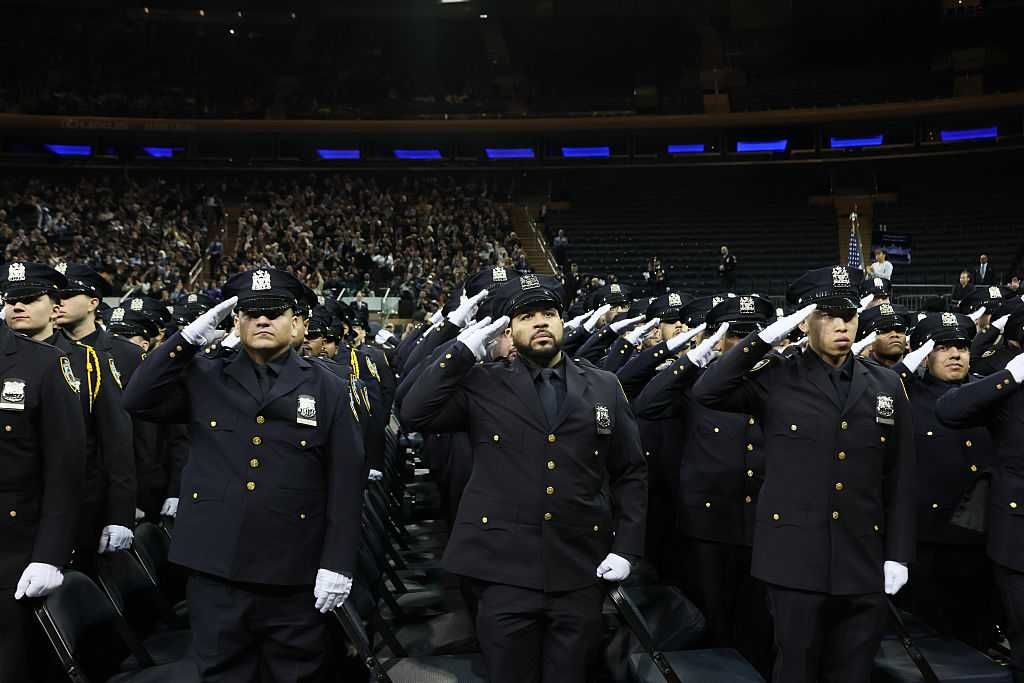
The NYPD issued a statement stressing fiscal strain and flexibility in hiring. “It is no secret that the city is facing serious financial challenges, and the mayor has asked every agency head to find efficiencies. … For now, the department is able to police effectively with the budgeted head count we have, driving crime down month after month. That head count and our hiring plan gives us the flexibility we need to maintain that balance over the next fiscal year.” City officials claim the department can manage without the extra hires for now.
Mamdani’s previous social posts that resurfaced during the campaign added heat to this debate and are still in play. Nasty exchanges and calls to cut police funding have made some voters uneasy, and those posts remain part of the public record. In another post, he , “We don’t need an investigation to know that the NYPD is racist, anti-queer & a major threat to public safety. … What we need is to #DefundTheNYPD.”
Council member Tiffany Cabán, who chairs the Progressive Caucus, publicly supported the mayor’s decision to hold the line on headcount. “I am proud to have worked closely with the mayor and public safety advocates to ensure there was no increase to the NYPD’s headcount in this budget. Every dollar we spend on policing and incarceration means money we can’t spend on housing, mental health care, substance use treatment, and economic stability.” Her argument centers on shifting resources to services proponents say prevent crime.
The Fiscal Year 2027 budget was adopted by the City Council and signed by the mayor, becoming the largest in the city’s history. That final act locks in the higher overall spending package while keeping the police headcount at current levels. For critics who wanted more officers, the result will likely spur continued debate about priorities and public safety in the months ahead.

1 Comment
Well New Yorkers you voted for this socialist demon democ-rat and now you will not be safe on the streets where you live as this socialist demon democ-rat will turn your city into a Beirut with all its evil religious hate and violence. NY will reap the whirlwind of dissent.