
This piece examines the rise of looksmaxxing among young men, the split between soft and hard approaches, medical and mental health concerns raised by experts, the role of social media and influencers, and dangerous practices that have surfaced online.
Looksmaxxing has grown from niche forums into a visible online movement focused on changing appearance to boost confidence and social standing. Participants describe two main approaches: “softmaxxing,” which emphasizes grooming and lifestyle tweaks, and “hardmaxxing,” which leans on more invasive measures. Both paths promise improvement, but they carry very different risks.
On the softer end, people pursue rigorous skin care, fitness, posture work, and targeted styling to sharpen features without surgery. Techniques like “mewing” circulate widely as supposed low-effort ways to reshape one’s jaw and profile. Medical experts warn that many of these claims outpace real evidence.
Board-certified dermatologists and other clinicians see the trend as partly driven by online echoes rather than clinical guidance. One expert called these DIY practices “clearly not science-based at all.” That skepticism matters when young people adopt techniques because they saw them on a screen.
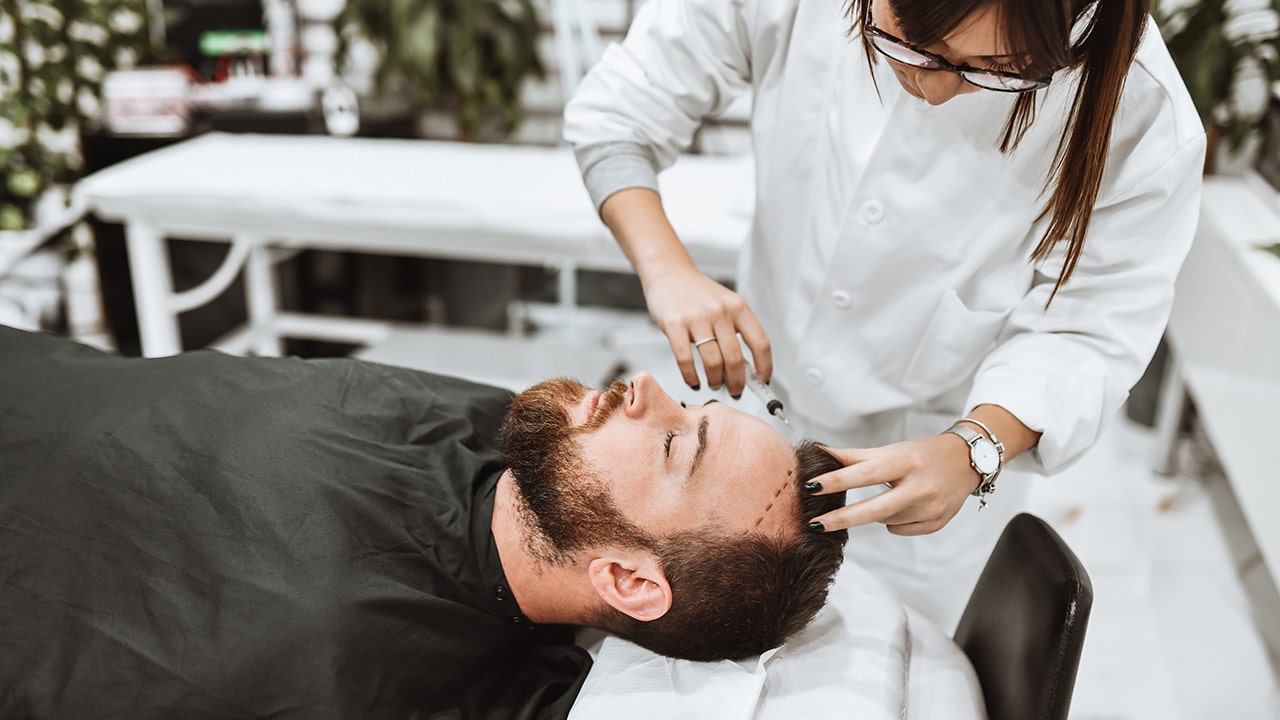
Harder measures include cosmetic procedures, hormone use, and supplement experiments that can carry significant side effects. Doctors worry when teenagers or people in their early twenties pursue surgery or take unregulated substances without proper oversight. Parents and physicians are raising alarms about the potential long-term harm from such choices.
Some of the most extreme reports involve people attempting to alter bone structure by force, a practice discussed in hushed and shocked tones on forums. Experts describe incidents in which “they’re apparently taking hammers or physical objects and hurting themselves.” That behavior signals a shift from self-care to genuine self-harm for a subset of participants.
Physicians say there is no plausible benefit to destructive tactics. “There’s no way that by destroying a bone, it gets thicker or better, or your jawline’s going to look improved,” she said. Those warnings are blunt because the methods are reckless and sometimes medically catastrophic.
Mental health professionals point out that the movement often feeds on insecurity and the hunger for online validation. They question whether participants are acting out of “narcissistic behavior” or if they are in “search of some form of external gratification from strangers online.” Either route can erode healthy identity formation.
One therapist emphasized the difference between measurable self-care and performative fixes, noting that durable self-worth grows from internal work. He repeated a clear message: “self-esteem is how I feel about myself. It has nothing to do with how many likes, followers or thumbs-up that I get from the outside world.” That distinction underlines why likes are a poor metric for personal value.
Social media accelerates these trends by amplifying curated images and simple how-to content that looks actionable but often lacks nuance. Young men scan feeds, copy routines, and test hacks that worked for attractive peers without understanding underlying limits. The net effect is a cultural pressure to conform to a manufactured standard.
Influencers and creators have become de facto style and grooming advisors for many, filling a gap once occupied by trained professionals. As one clinician observed, the internet has created an alternative authority structure where charisma can masquerade as expertise. That shift complicates efforts to deliver accurate health information.
Experts recommend clearer guidance and safer channels for young people seeking change, with more emphasis on evidence-based care and mental health support. Families and doctors can help by steering those tempted by extremes toward realistic goals and vetted treatments. The challenge is breaking through the noise of online affirmation loops.
Even amid the hype, some elements of looksmaxxing are harmless and can encourage routine self-improvement like exercise, sleep, and hygiene. Still, the movement’s darker corners demand attention when risky behaviors and misinformation spread unchecked. Conversations that balance practical advice with sober warnings seem like the most responsible next step.
